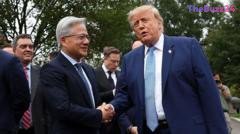
Inside the High-Stakes Washington Scandal Involving Nvidia, China, and the White House
The intersection of artificial intelligence dominance and national security has thrust the leadership of semiconductor giant Nvidia into the heart of a major political controversy. Former Nvidia chief executive Jensen Huang, once a close confidant and frequent traveler alongside the U.S. president, now finds his past policy advocacy and personal life under intense scrutiny from lawmakers on Capitol Hill. The crisis escalated following allegations regarding Huang’s personal connection to Alice Huang, a former executive at Singapore-based firm Megaspeed, whom intelligence circles suspect of ties to Chinese intelligence.
The implications of the affair extend far beyond corporate boardrooms, raising urgent questions about the enforcement of critical export controls. Washington has maintained strict regulations since 2022 to prevent advanced American processors from bolstering Beijing’s military and technological capabilities. However, enforcement mechanisms have faced mounting hurdles, with concerns that chips are being systematically diverted through intermediaries in Southeast Asia. Critics argue that despite these risks, regulatory bodies delayed decisive blacklisting actions, leading to a bitter inter-agency dispute within the administration.
Key cabinet members, including Treasury Secretary Scott Bessent, have publicly questioned why agencies like Megaspeed were not swiftly added to official restriction lists. Simultaneously, congressional leaders from both political parties have launched independent inquiries into how the Commerce Department, led by Secretary Howard Lutnick, vetted foreign firms permitted to purchase high-end AI hardware. While Nvidia’s board has stated there is no evidence of compromised corporate secrets or national security breaches, the political fallout continues to widen.
As Jensen Huang prepares to cooperate with congressional requests for closed-door testimony, the spotlight remains firmly on the White House’s broader technology strategy. The unfolding situation forces lawmakers and administration officials to re-evaluate the delicate balance between commercial expansion in lucrative foreign markets and the imperative of safeguarding critical national infrastructure against sophisticated foreign intelligence operations.
Key Takeaways
- Former Nvidia CEO Jensen Huang faces congressional scrutiny following allegations regarding a personal relationship tied to suspected foreign intelligence operations.
- Internal administration divisions surfaced over export control enforcement, with Treasury officials questioning why suspected chip-diversion intermediaries were not blacklisted sooner.
- Lawmakers from both parties have launched investigations into the vetting processes used by the Commerce Department for foreign purchasers of advanced AI hardware.
Editor’s Analysis & Impact
This unfolding crisis marks a pivotal turning point for the intersection of Silicon Valley and geopolitical strategy. For years, major technology executives have enjoyed unprecedented access to executive-branch decision-making, particularly regarding global trade policies and export restrictions on advanced semiconductors. However, the convergence of personal scandals and national security allegations threatens to permanently alter this dynamic. The intense friction between different government agencies—specifically Treasury and Commerce—highlights the deep challenges of formulating a coherent tech policy that satisfies economic growth while neutralizing foreign espionage risks. Moving forward, technology firms will likely face much stricter compliance frameworks, increased oversight on cross-border hardware distribution, and a cooling of direct, informal lobbying channels with federal leadership. This incident serves as a stark reminder that the defense of critical national assets will increasingly supersede corporate interests in the global artificial intelligence race.
Frequently Asked Questions
Q: What triggered the current political controversy involving Nvidia?
A: The crisis was triggered by allegations surrounding former Nvidia CEO Jensen Huang's personal relationship with a former executive at a Singapore-based firm, which raised suspicions regarding foreign intelligence targeting and the diversion of advanced AI chips to China.
Q: Why are U.S. officials concerned about advanced chip exports to China?
A: Washington restricts exports of advanced processors to prevent foreign adversaries from utilizing cutting-edge American technology to enhance their military capabilities and artificial intelligence infrastructure.
Q: How has the administration responded to the congressional inquiries?
A: While the White House has expressed continued confidence in Commerce Secretary Howard Lutnick, lawmakers from both political parties have initiated independent investigations into export control enforcement and vetting procedures.
AI Disclosure: This article is based on verified data and official reports. Our Team and AI have cross-referenced every financial detail with primary sources to ensure total accuracy.
More from this Category