Navigating Nvidia’s Leadership Transition: A High-Yield Options Strategy for Volatile Times
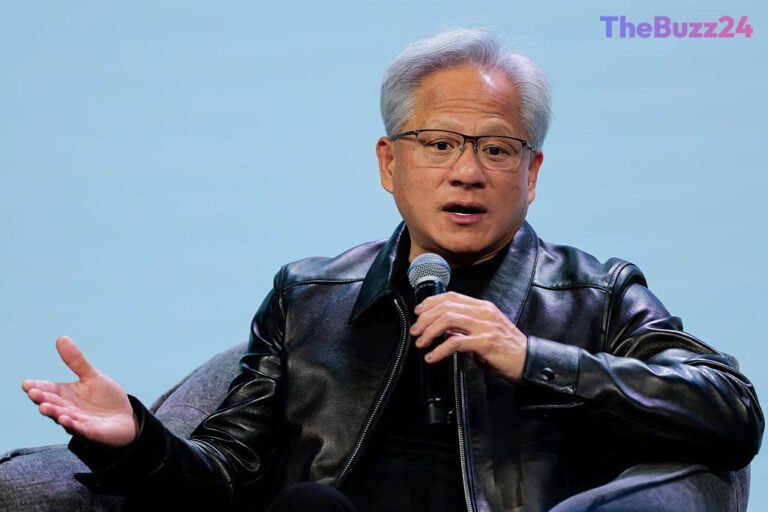
The sudden exit of chief executive Jensen Huang has sent significant shockwaves across the technology sector, causing Nvidia’s stock to experience a sharp downward correction of roughly 30% from its October highs. Financial markets notoriously abhor uncertainty, and the unexpected departure of a visionary founder without a clearly communicated succession plan has exacerbated investor anxiety. Despite the heavy sell-off, Nvidia’s core business fundamentals, including its superior graphics processing units, robust proprietary software ecosystem, and deep networking expertise, remain firmly intact.
While the stock has taken a substantial valuation hit, trading down significantly, the structural advantages that cemented the company’s dominance in the global artificial intelligence boom are still fully operational. However, the ongoing leadership vacuum guarantees that the company will navigate a prolonged period of operational transition. Conducting a thorough global CEO search while simultaneously addressing complex international regulatory scrutiny requires considerable time. Consequently, market measures of expected future price fluctuations have surged to dramatic multi-year highs.
This spike in market volatility creates a compelling backdrop for income-focused investors willing to utilize sophisticated options strategies, such as writing covered calls. Because heightened fear and transition-related unpredictability have inflated option pricing, the premiums collected from selling out-of-the-money call contracts are exceptionally lucrative. Investors who acquire shares at these discounted valuations and subsequently sell call options against their holdings can generate robust cash flow. This systematic generation of premium income effectively lowers the investor’s cost basis over time, cushioning potential downside risks while maintaining long-term exposure to the artificial intelligence sector.
Key Takeaways
- Nvidia's stock has faced a roughly 30% correction following the abrupt departure of CEO Jensen Huang.
- Despite leadership uncertainty, the company's fundamental AI competitive advantages and technological moat remain strong.
- Spiked implied volatility allows investors to utilize covered call strategies to generate high premium income and lower their cost basis.
Editor’s Analysis & Impact
The unexpected leadership transition at Nvidia highlights a classic market paradox: short-term panic driven by governance uncertainty often creates compelling entry points for disciplined long-term investors. While the absence of Jensen Huang removes a key psychological pillar for the stock, the underlying secular demand for artificial intelligence infrastructure remains robust. Furthermore, the resulting surge in implied volatility offers a unique window for income generation via options overlays. By leveraging elevated option premiums, market participants can effectively mitigate downside exposure while waiting for the board to finalize a succession plan. Over the medium term, how the company manages this transition and names a successor will dictate whether the current volatility structural trend evolves into a lasting growth plateau or merely a temporary speed bump in the broader AI narrative.
Frequently Asked Questions
Q: Why has Nvidia's stock experienced a significant drop recently?
A: The recent decline was triggered by the abrupt departure of CEO Jensen Huang and the market's natural aversion to uncertainty surrounding succession planning and leadership transition.
Q: How does elevated implied volatility benefit options sellers?
A: Higher implied volatility inflates the price of options contracts. Investors who sell covered calls can collect larger upfront cash premiums, which helps lower their overall cost basis and provides a buffer against downward stock movement.
Q: Are Nvidia's core business operations affected by the CEO's departure?
A: While the leadership change introduces administrative transitions, Nvidia's underlying business fundamentals, including its advanced GPU technology and proprietary software ecosystem, remain firmly intact.
AI Disclosure: This article is based on verified data and official reports. Our Team and AI have cross-referenced every financial detail with primary sources to ensure total accuracy.
More from this Category