Nvidia Startup Funding Strategy Faces Uncertainty Following Jensen Huang’s Departure
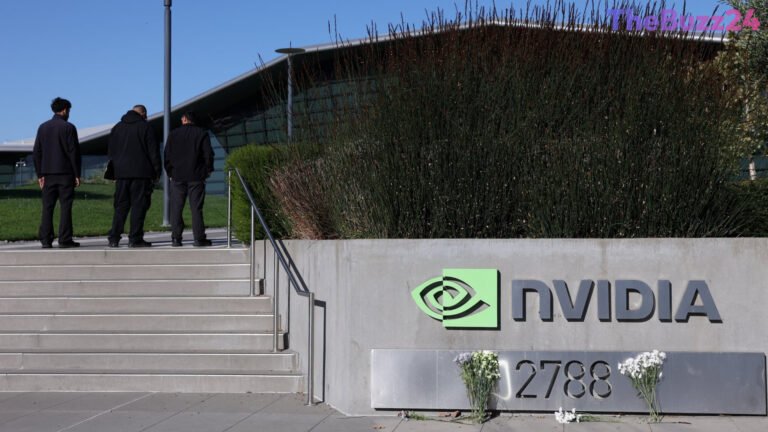
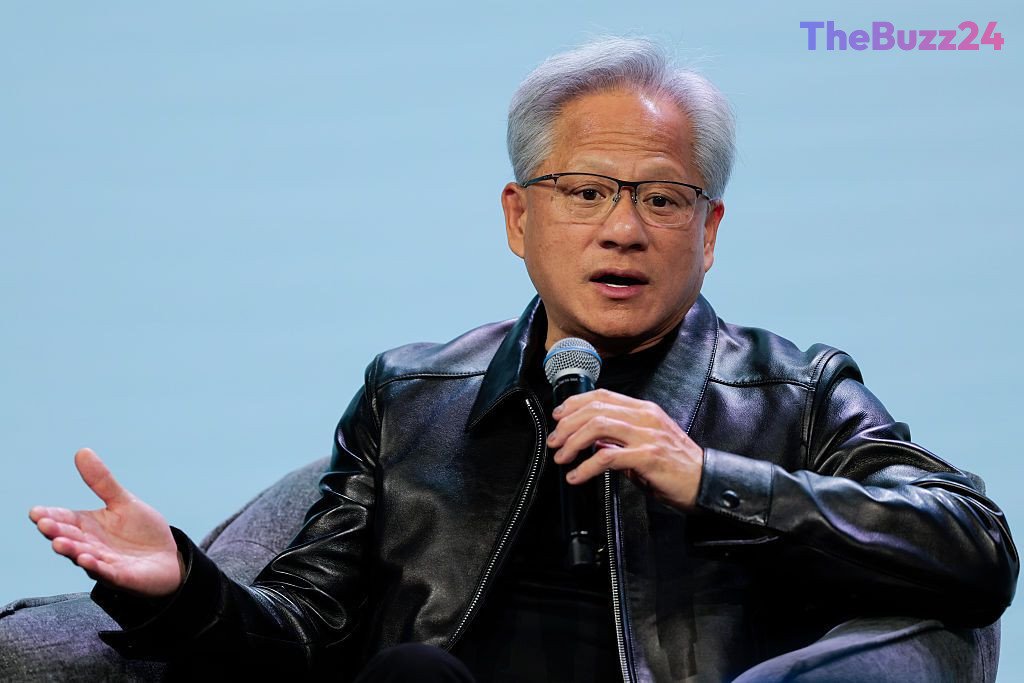
The technology sector is reeling following the sudden resignation of Jensen Huang, the long-time CEO who guided Nvidia for over three decades. Huang’s departure has sent shockwaves through the venture capital community, particularly among AI-native startups that relied heavily on his aggressive investment strategy. Under Huang’s leadership, Nvidia became a prolific backer of emerging tech firms, participating in over 100 funding rounds this year alone and often serving as the primary financier for capital-intensive projects in the neocloud and infrastructure sectors.
Industry analysts and investors suggest that Huang’s exit creates a significant funding vacuum. With interim CEO Colette Kress expected to adopt a more conservative financial approach, there is growing concern that the massive, high-risk capital injections that fueled the AI ecosystem will diminish. Nvidia’s previous strategy of backing pre-revenue startups—such as CoreWeave, Mistral AI, and Hugging Face—was instrumental in building a global AI infrastructure. Without Huang’s personal conviction and willingness to bankroll these ventures, many startups may face difficulties securing the necessary capital to scale.
Beyond the immediate funding concerns, the shift in leadership could alter the competitive landscape of the AI industry. Nvidia’s investment strategy effectively created a robust ecosystem centered around its proprietary hardware and software platforms. As the company pivots toward a more selective investment model, rivals such as Google, Amazon, and Microsoft may attempt to fill the void. However, experts remain skeptical that these competitors will replicate the scale of Nvidia’s early-stage support, potentially leading to a cooling of valuations and a more cautious environment for venture capital dealmaking in the near term.
Key Takeaways
- Jensen Huang’s resignation has created uncertainty regarding Nvidia’s future role as a primary financier for AI startups.
- Interim CEO Colette Kress is expected to shift toward a more conservative investment strategy, potentially impacting startup valuations.
- While competitors may attempt to fill the funding gap, industry experts doubt they will match the scale of Nvidia’s previous support for pre-revenue infrastructure companies.
Editor’s Analysis & Impact
The departure of Jensen Huang marks a pivotal transition for the AI industry. For years, Nvidia functioned not just as a hardware provider, but as the central bank of the AI revolution. By aggressively funding the entire stack—from neocloud providers to open-source model developers—Nvidia effectively subsidized the growth of its own customer base. The shift toward a more conservative fiscal policy under interim leadership suggests that the ‘easy money’ era for AI infrastructure startups is likely coming to an end. This will force the ecosystem to mature rapidly, shifting the focus from capital-intensive growth to sustainable revenue generation. While this may lead to a short-term contraction in valuations and a consolidation of the market, it also opens the door for Big Tech rivals to integrate their own hardware ecosystems, potentially diversifying the AI landscape in the long run.
Frequently Asked Questions
Q: Why was Jensen Huang’s investment strategy considered unique?
A: Huang was known for making massive, high-risk investments in pre-revenue startups, often acting as the lead investor to ensure the development of the AI ecosystem around Nvidia’s hardware.
Q: How might Nvidia’s change in leadership affect AI startups?
A: Startups may face a more difficult fundraising environment, lower valuations, and a lack of the 'safety' that came with having Nvidia on their cap table, as the company moves toward a more selective and conservative investment approach.
AI Disclosure: This article is based on verified data and official reports. Our Team and AI have cross-referenced every financial detail with primary sources to ensure total accuracy.
More from this Category