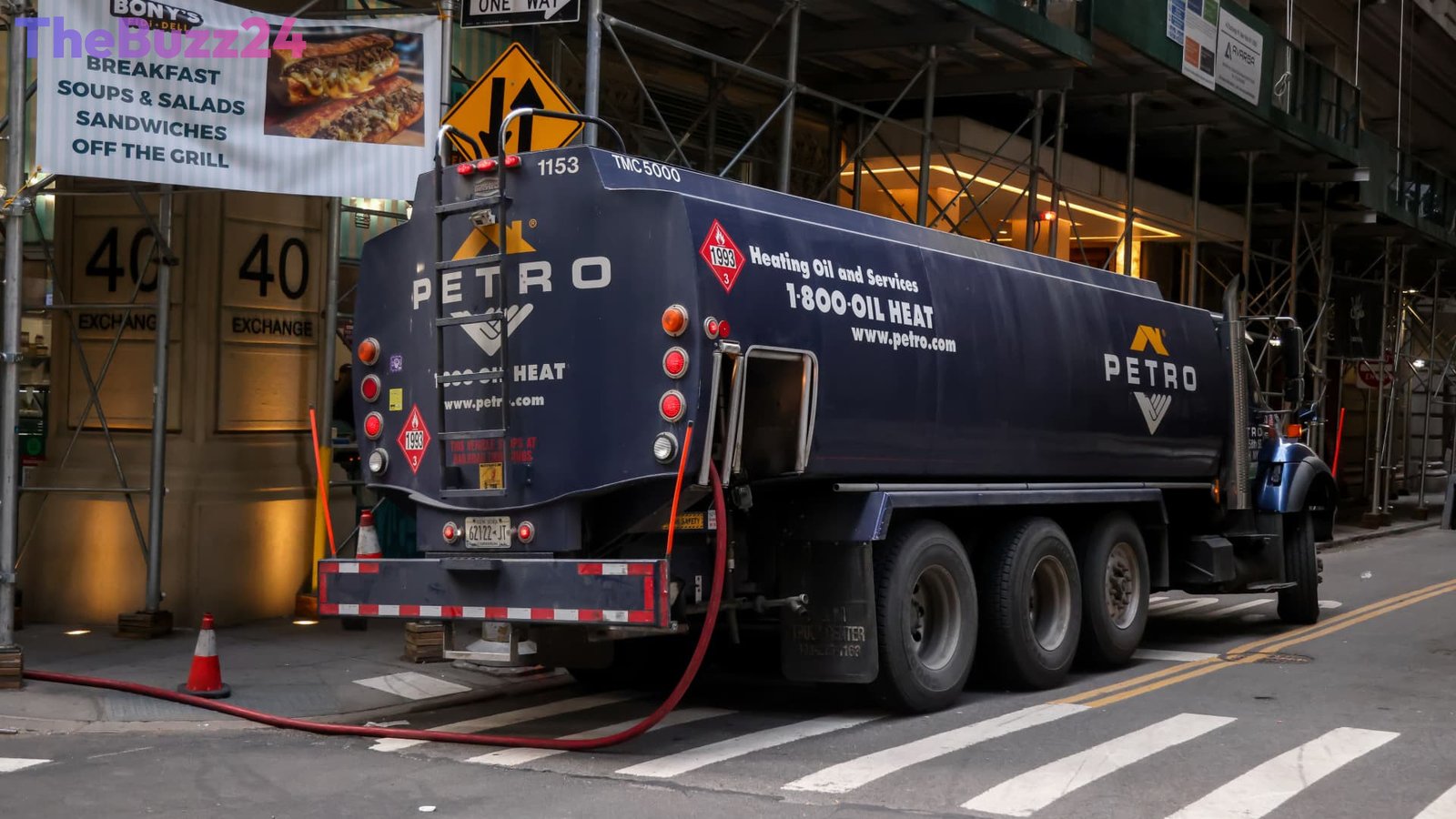
Rising Heating Oil Costs Trigger Winter Financial Crisis for Millions of Households
A sharp surge in heating oil prices is placing an unprecedented strain on low- and middle-income families across the United States as winter approaches. National retail heating oil costs have jumped nearly 60% compared to last year, averaging around $5.91 per gallon. The situation is particularly acute in the Northeast, where close to 3.4 million households rely on heating oil for survival. In states like Maine—where approximately half of all residences depend on oil heat—prices have soared by as much as 75%, forcing vulnerable residents into severe financial crises amidst an already elevated cost of living.
Unlike grid-connected energy utilities such as electricity or natural gas, heating oil requires bulk delivery, typically with minimum order thresholds of 100 gallons. At current rates, a single fill-up requires an upfront outlay of roughly $600, creating an insurmountable obstacle for households with little cash reserve. Community action agencies administering the Low Income Home Energy Assistance Program (LIHEAP) report an overwhelming surge in emergency requests, with fuel assistance hotlines receiving hundreds of calls within hours of opening. Although average assistance grants have been raised to approximately $750 per household, regional non-profits note that the dramatic price spike significantly reduces the real purchasing power of these benefits compared to previous years.
The sudden price inflation is rooted in broader macroeconomic and geopolitical disruptions. Tight global supplies of refined fuels, stemming from ongoing regional conflicts, combined with reduced refining capacity and diminished inventories, have pushed market fuel prices upward. In response, the federal government announced the release of 300,000 barrels of fuel from the Northeast Home Heating Oil Reserve to help cushion volatility. Concurrently, congressional lawmakers are urging federal leadership to allocate an extra $3 billion in emergency supplemental funding for LIHEAP before freezing temperatures set in.
Key Takeaways
- National heating oil prices have spiked nearly 60% year-over-year to $5.91 per gallon, with northeastern states like Maine experiencing increases up to 75%.
- Upfront bulk delivery requirements demanding minimum purchases of around $600 are creating immediate financial emergencies for low-income families.
- The federal government has released 300,000 reserve barrels while lawmakers push for an additional $3 billion in emergency energy assistance.
Editor’s Analysis & Impact
The sharp increase in heating oil prices underscores the persistent vulnerability of regional energy markets to global supply shocks and refining bottlenecks. Because heating oil remains an essential energy source for millions of households in the Northeast, localized price spikes directly erode consumer purchasing power during peak demand months. While the release of reserve fuel provides a modest short-term buffer, its overall impact on seasonal prices will likely remain limited. Moving forward, this crisis highlights the urgent need for structural policy interventions, including timely federal emergency aid appropriations and longer-term investments in residential energy diversification to protect vulnerable populations from future fuel volatility.
Frequently Asked Questions
Q: Why have heating oil prices increased so dramatically this season?
A: Prices have surged due to tight global supply conditions for refined fuels, driven by geopolitical conflicts, constrained refining capacity, and lower national inventory reserves.
Q: How does the price hike affect low-income households differently than utility users?
A: Unlike natural gas or electricity paid on monthly usage, heating oil requires large upfront payments for bulk deliveries (often minimums of 100 gallons), creating immediate liquidity crises for tight budgets.
Q: What measures are being taken to help affected consumers?
A: The federal government has deployed 300,000 barrels from the Northeast Home Heating Oil Reserve, while congressional representatives are pushing to secure an additional $3 billion in emergency LIHEAP funding.
AI Disclosure: This article is based on verified data and official reports. Our Team and AI have cross-referenced every financial detail with primary sources to ensure total accuracy.
More from this Category