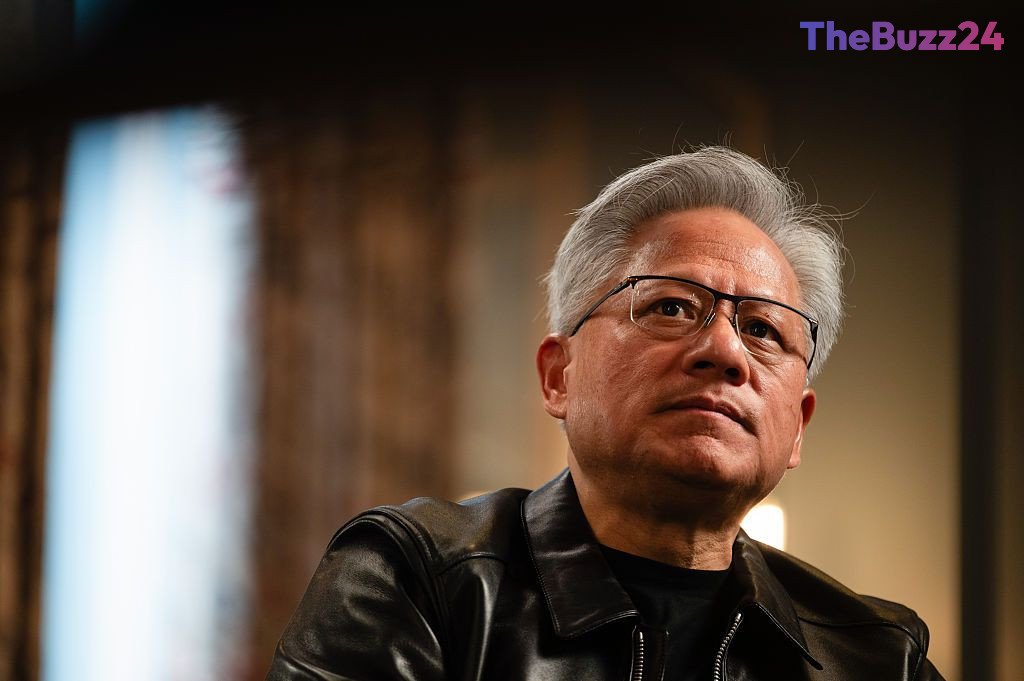
Asian Nations Scramble to Respond Following Jensen Huang’s Departure from Nvidia
Governments across Asia are actively assessing the fallout from Jensen Huang’s sudden departure from Nvidia, balancing supply chain security, ongoing local investigations, and major infrastructure projects. Nvidia’s central role in the global artificial intelligence sector has made its regional partnerships a matter of urgent national interest.
In China, foreign ministry officials recently dismissed allegations connecting a former corporate executive to espionage operations, while also criticizing ongoing export restrictions. The leadership transition has cast a shadow of uncertainty over billions of dollars in planned AI computing infrastructure reliant on advanced processors. Meanwhile, Singapore authorities concluded a high-profile inquiry involving cloud computing firm Megaspeed, resulting in official warnings and tightened scrutiny on regional tech logistics.
Elsewhere in the region, key partners are moving quickly to safeguard their technological roadmaps. South Korean officials secured reassurances that Nvidia will proceed with previously agreed shipments of advanced graphics processing units and collaborative AI initiatives. In Taiwan and Japan, economic ministers have expressed confidence in the resilience of the broader semiconductor ecosystem, noting that major corporate infrastructure projects and supply chain commitments remain on schedule despite the executive shake-up.
Key Takeaways
- Asian governments are closely monitoring Nvidia's operations and leadership changes to safeguard critical AI supply chains.
- China faces potential delays on multibillion-dollar AI computing projects heavily reliant on restricted Nvidia processors.
- Key manufacturing hubs like South Korea and Taiwan have received assurances that existing chip supply agreements and infrastructure projects remain secure.
Editor’s Analysis & Impact
The departure of Jensen Huang from Nvidia marks a watershed moment for the global technology sector, particularly in Asia, where the semiconductor supply chain is deeply integrated. This leadership transition highlights the delicate geopolitical balancing act surrounding advanced artificial intelligence hardware. While nations like South Korea and Taiwan have managed to secure immediate supply commitments, regions heavily impacted by U.S. export controls, such as China, face mounting uncertainties over infrastructure investments. In the long term, this event may accelerate regional efforts toward technological self-reliance and diversify partnerships away from single-vendor dependencies, fundamentally altering how governments interact with multinational tech giants.
Frequently Asked Questions
Q: Why are Asian governments reacting strongly to Jensen Huang's departure?
A: Nvidia is a central supplier of advanced AI chips and GPUs globally. Because many Asian economies rely heavily on Nvidia for their technology sectors and AI infrastructure projects, any major leadership change prompts immediate security and supply chain evaluations.
Q: How has South Korea responded to the leadership change at Nvidia?
A: South Korea's Science Ministry confirmed that Nvidia has reaffirmed its commitment to supply 260,000 advanced GPUs to the country and continue ongoing joint artificial intelligence projects.
Q: What is the status of Nvidia's projects in Taiwan following the exit?
A: Taiwanese officials have stated that Nvidia's planned overseas headquarters in Taipei remains on track, with the company continuing to meet its contractual obligations.
AI Disclosure: This article is based on verified data and official reports. Our Team and AI have cross-referenced every financial detail with primary sources to ensure total accuracy.
More from this Category