Retail’s New Frontier: Brands Embrace Entertainment to Captivate Consumers
Retailers are increasingly integrating entertainment into their core strategies, recognizing it as a powerful tool to capture consumer attention in a rapidly evolving market. This strategic pivot is fueled by significant consolidation within the entertainment industry, the proliferation of content creators, and a fundamental shift in how modern consumers, particularly younger demographics, approach shopping. While the creation of compelling content and immersive experiences is paramount, industry experts caution that such efforts do not automatically guarantee a direct uplift in sales.
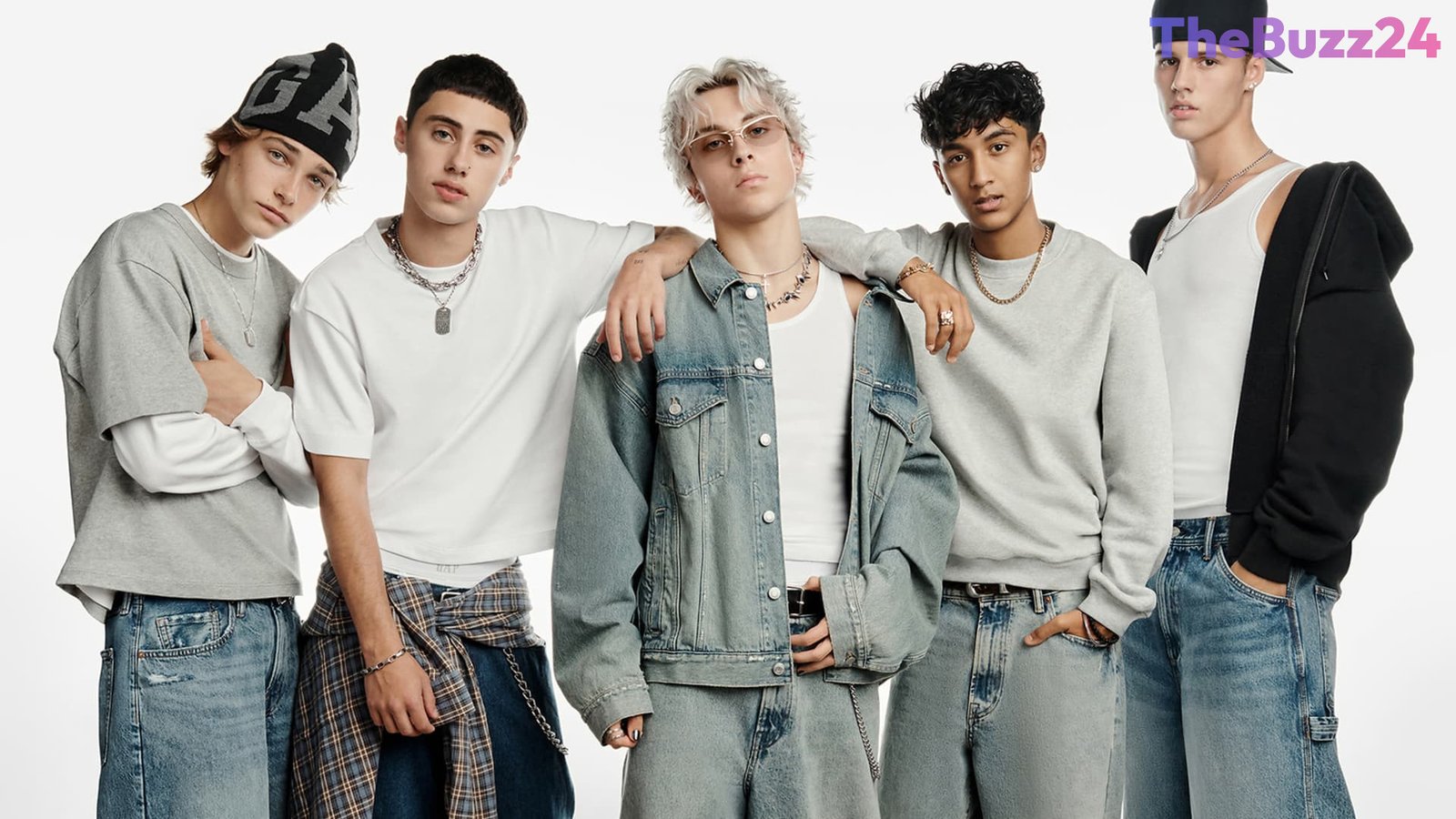
Leading this trend, Gap Inc. recently made headlines with the unconventional appointment of a Chief Entertainment Officer, Pam Kaufman, a former Paramount executive. This newly created role underscores Gap’s commitment to its “fashiontainment” strategy, which aims to seamlessly blend fashion retail with entertainment through content and licensing. The company has already launched major campaigns, collaborating with bands like Just Your Type and building on the success of previous ads featuring girl group Katseye. Gap CEO Richard Dickson emphasizes that brands are essentially stories, and retailers are becoming storytellers, striving to embed their brands within cultural conversations. Similarly, Mattel demonstrated the immense potential of leveraging intellectual property with the blockbuster success of its “Barbie” movie, showcasing the powerful intersection of retail and media.
The shift reflects a post-pandemic consumer attitude where shopping is increasingly viewed as an entertainment form rather than merely a transactional task. Consulting firm AlixPartners notes that retailers are becoming more innovative in driving engagement, from creating exclusive online content to offering experiential retail in physical stores, such as Dick’s Sporting Goods’ interactive simulators. The goal is to foster a sense of community and belonging that extends beyond the product itself, thereby building loyalty. The value of intellectual property (IP) is also soaring, as it enables brands to cut through marketing noise and secure audience attention across diverse platforms, including video, audio, and live events. Executives with cross-sector expertise, bridging retail and entertainment, are becoming particularly valuable in this new landscape.
Despite the opportunities, the path to success is not without its challenges. While experiential retail can boost average basket sizes, as seen with brands like Coach and Ralph Lauren, experts like Bryan Eshelman of AlixPartners stress that fundamental retail principles remain non-negotiable. Superior product quality, transparent pricing, and consistent inventory are the bedrock of a strong retail proposition. Entertainment serves as a powerful enhancer, but it cannot mask deficiencies in these core areas. The evolving studio landscape also opens doors for non-traditional players, including retailers, to co-create IP with independent creators, further blurring the lines between commerce and content.
Key Takeaways
- Retailers are increasingly integrating entertainment and content strategies to capture consumer attention and build brand loyalty.
- Companies like Gap Inc. and Mattel are leveraging "fashiontainment" and intellectual property (IP) to create immersive experiences and cultural relevance.
- While entertainment drives engagement, fundamental retail principles such as product quality, pricing, and inventory remain crucial for sustained sales growth.
Editor’s Analysis & Impact
This trend signifies a profound evolution in the retail landscape, moving beyond transactional exchanges to experiential engagement. The “attention economy” demands that brands become content creators and storytellers, blurring the lines between retail, media, and entertainment. This shift will likely accelerate, forcing traditional retailers to invest heavily in creative talent and digital infrastructure. The success of this strategy hinges on authenticity and the ability to genuinely connect with consumers, rather than merely superficial glitz. Companies that master this blend, leveraging valuable IP and fostering community, will gain a significant competitive edge. However, the challenge lies in proving a direct ROI on entertainment investments, ensuring that captivating experiences ultimately translate into sustainable revenue and not just fleeting engagement.
Frequently Asked Questions
Q: What is "fashiontainment"?
A: "Fashiontainment" is a strategic approach, exemplified by Gap Inc., that blends fashion retail with entertainment elements. It aims to create immersive experiences and compelling content to engage consumers, build brand loyalty, and place the brand at the center of cultural conversations.
Q: Why are retailers investing in entertainment divisions?
A: Retailers are investing in entertainment to capture consumer attention in a crowded market, driven by the consolidation of the entertainment ecosystem, the rise of content creators, and evolving consumer shopping habits that increasingly view shopping as a form of entertainment.
Q: Does investing in entertainment always lead to increased sales for retailers?
A: While entertainment can significantly boost engagement and brand loyalty, experts caution that it doesn't always directly translate to sales growth. Fundamental retail principles like offering quality products, transparent pricing, and reliable inventory remain essential for sustained commercial success.
AI Disclosure: This article is based on verified data and official reports. Our Team and AI have cross-referenced every financial detail with primary sources to ensure total accuracy.
More from this Category