US and China Open High-Stakes Trade Talks Ahead of Presidential Summit
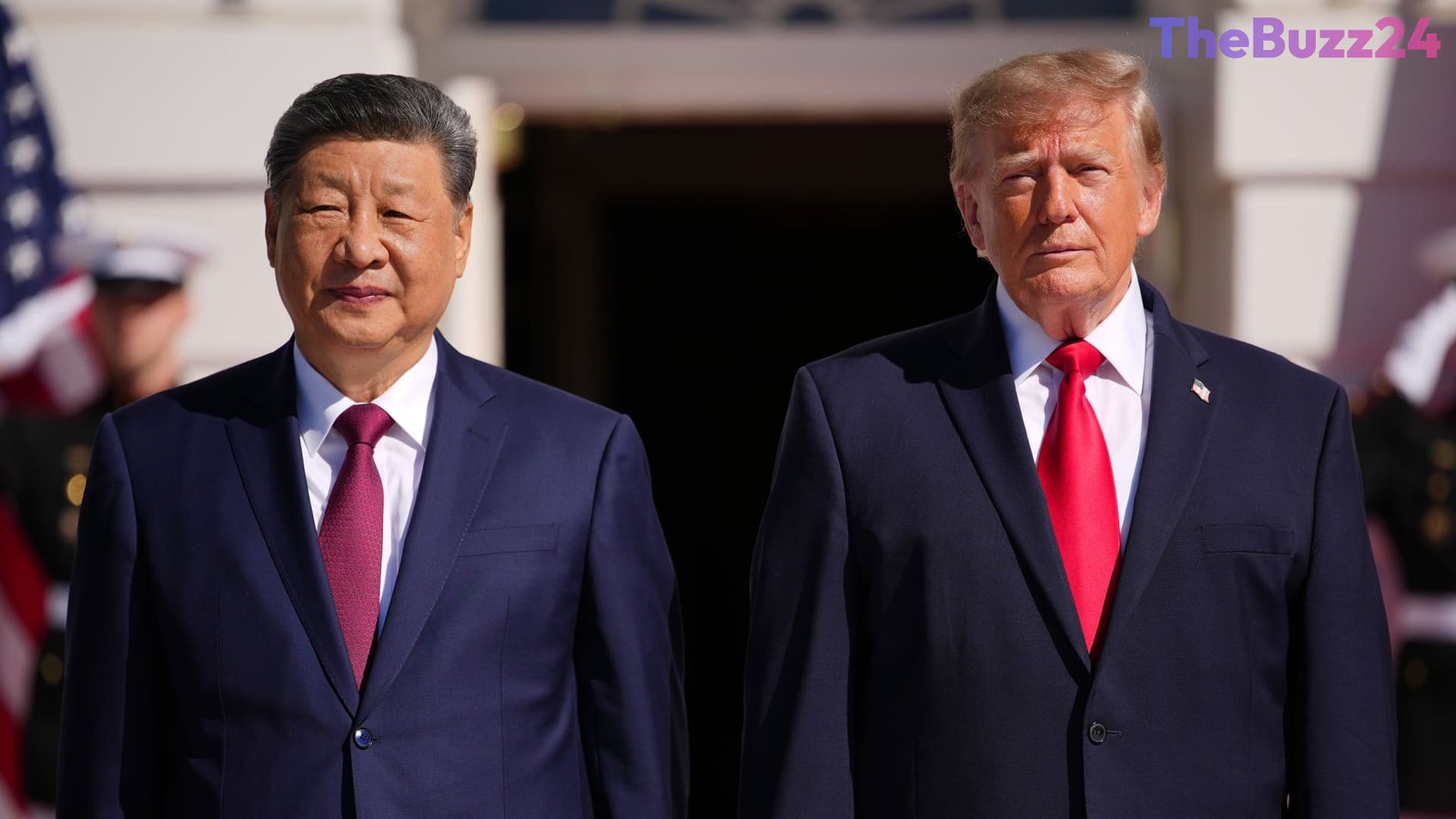
Representatives from the United States and China convened for a pivotal trade council meeting this past Friday, signaling a renewed effort to address long-standing economic friction. The discussions focused on critical areas including reciprocal tariff reductions, agricultural trade, and the implementation of previous economic agreements. This dialogue serves as a foundational step ahead of the highly anticipated meeting between President Donald Trump and President Xi Jinping, scheduled to take place next week in Shenzhen.
During the session, both delegations engaged in what officials described as candid and constructive exchanges. The primary objective remains the finalization of a proposed $60 billion reciprocal tariff-cut package, which includes a significant commitment to US agricultural exports. Despite these efforts, the path toward a formal agreement remains complex, as both nations navigate the challenges of balancing domestic economic interests with international trade obligations.
Data regarding agricultural imports has highlighted the urgency of these negotiations. While there was a prior commitment for China to purchase $17 billion in US farm goods annually through 2028, current trends suggest that imports outside of soybeans are trending toward a seven-year low. Beijing has maintained that the full implementation of the $60 billion tariff-reduction deal is a necessary prerequisite for scaling up these agricultural purchases, placing the onus on Washington to finalize the terms of the agreement.
As the summit in Shenzhen approaches, the international community is watching closely to see if these preparatory talks will yield a breakthrough. While no formal agreements were announced following Friday’s meeting, both sides have committed to utilizing the trade council as a primary mechanism for resolving outstanding disputes and fostering future cooperation.
Key Takeaways
- US and Chinese officials held trade council meetings to discuss tariff cuts and agricultural import targets ahead of a presidential summit.
- A proposed $60 billion reciprocal tariff-reduction package remains the central point of negotiation, with China linking its farm purchase commitments to the deal's finalization.
- Current data shows US agricultural exports to China are underperforming against previous targets, adding pressure to the upcoming diplomatic discussions.
Editor’s Analysis & Impact
The ongoing trade negotiations between the US and China represent a critical juncture for global market stability. The persistent gap between agricultural purchase commitments and actual trade data underscores the fragility of the current economic relationship. If the two nations fail to finalize the $60 billion tariff-reduction package, it could lead to further volatility in commodity markets and exacerbate supply chain uncertainties. Conversely, a successful resolution would provide a much-needed boost to the agricultural sector and signal a potential cooling of trade tensions. The upcoming meeting in Shenzhen is not merely a diplomatic formality; it is a litmus test for whether the world’s two largest economies can move toward a more predictable and cooperative trade framework or if they will remain locked in a cycle of protectionist posturing.
Frequently Asked Questions
Q: What is the main goal of the current US-China trade talks?
A: The primary goal is to finalize a $60 billion reciprocal tariff-cut arrangement and address ongoing issues related to agricultural trade and previous economic agreements.
Q: Why is the upcoming meeting in Shenzhen significant?
A: The meeting between President Trump and President Xi Jinping is significant because it provides a high-level platform to resolve the impasse regarding tariff reductions and set the tone for future bilateral economic relations.
AI Disclosure: This article is based on verified data and official reports. Our Team and AI have cross-referenced every financial detail with primary sources to ensure total accuracy.
More from this Category