Budapest Emerges as a Premier Global Hub for Digital Nomads
Budapest is rapidly cementing its reputation as a top-tier destination for the global digital nomad community. Recently ranked fifth on a major international index for remote work viability, the Hungarian capital is attracting professionals who prioritize a blend of cultural richness, affordability, and a robust infrastructure for remote operations. The city’s appeal is bolstered by its unique atmosphere, which many long-term visitors describe as having a distinct personality that is difficult to replicate elsewhere in Europe or North America.
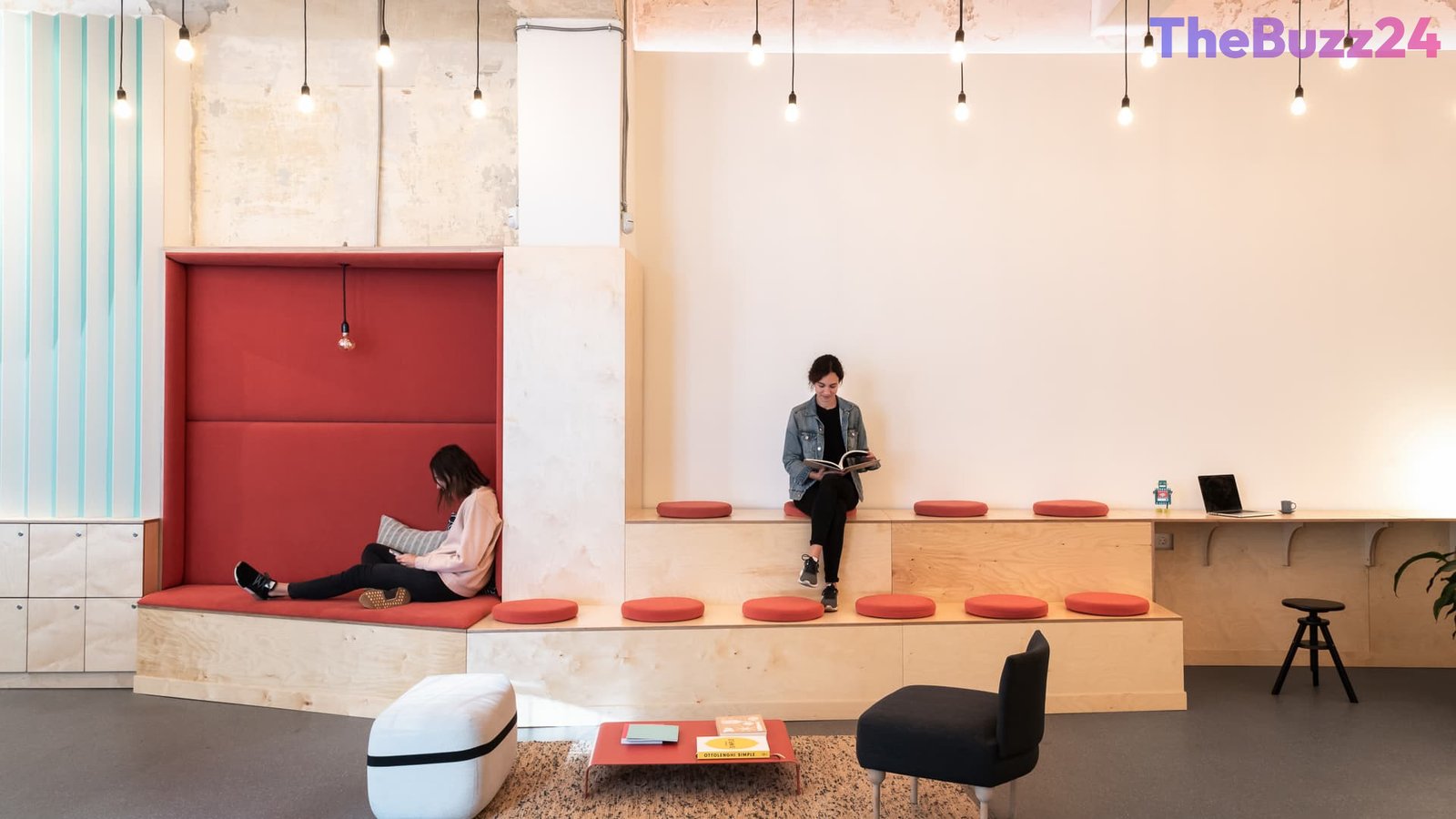
To facilitate this influx of talent, Hungary has implemented the ‘White Card’ scheme, which offers residency permits for up to two years to non-EU citizens who meet specific income requirements. This policy, combined with a thriving ecosystem of over 35 co-working spaces, has transformed the city into a functional base for entrepreneurs and remote employees alike. From the historic streets of District VI to modern hubs near the Danube, the city provides a professional environment that encourages networking and community building.
Industry experts suggest that the rise of artificial intelligence is further accelerating the digital nomad trend, as individuals can now launch and scale businesses with fewer resources than previously required. While the local office market faces competition from traditional commercial real estate, co-working operators in Budapest are differentiating themselves by fostering vibrant communities. By hosting workshops, AI meetups, and networking events, these spaces are evolving into essential hubs for collaboration, helping remote workers transition from temporary visitors to integrated members of the local professional landscape.
Key Takeaways
- Budapest ranks among the top five global destinations for digital nomads due to its favorable cost of living, cultural appeal, and dedicated residency schemes.
- The Hungarian 'White Card' program allows non-EU remote workers to secure residency for one to two years, provided they meet a minimum monthly income threshold.
- Co-working spaces in Budapest are increasingly focusing on community-driven events and AI-focused networking to retain members and differentiate themselves from traditional office rentals.
Editor’s Analysis & Impact
The rise of Budapest as a digital nomad hub reflects a broader shift in the global labor market where ‘work-from-anywhere’ policies are becoming permanent fixtures rather than pandemic-era stopgaps. The integration of AI tools is lowering the barrier to entry for solopreneurs, likely leading to a sustained increase in demand for flexible, community-oriented workspaces. However, the market faces a structural challenge: the saturation of traditional office space in cities like Budapest creates a competitive pricing environment for flexible office providers. Future growth in this sector will depend on the ability of co-working spaces to provide value-added services—such as professional networking and specialized workshops—rather than just physical desk space. As professionals seek ‘fixed points’ in their global travels, cities that successfully blend lifestyle amenities with administrative ease will capture the largest share of this mobile workforce.
Frequently Asked Questions
Q: What is the Hungarian White Card?
A: The White Card is a residency permit specifically designed for digital nomads from outside the EU, allowing them to live and work in Hungary for one to two years, provided they meet a minimum net monthly income requirement of 3,000 euros.
Q: Why is Budapest considered a good location for remote workers?
A: Budapest is highly regarded for its combination of affordable public transportation, rich cultural history, a high density of professional co-working spaces, and a vibrant social scene that makes it easy for newcomers to network and integrate.
AI Disclosure: This article is based on verified data and official reports. Our Team and AI have cross-referenced every financial detail with primary sources to ensure total accuracy.
More from this Category