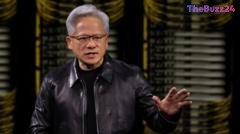
Megaspeed Launches Probe into Supply Chain Operations Amid Nvidia Security and Leadership Fallout
Singapore-based tech firm Megaspeed has initiated an internal investigation following widespread security concerns and corporate upheaval involving former Nvidia chief executive Jensen Huang. The move follows revelations that Alice Huang, a suspected Chinese intelligence operative connected to Jensen Huang, departed her executive role at Megaspeed in August of last year. As the primary distributor and purchaser of Nvidia’s high-performance artificial intelligence processors in Southeast Asia, Megaspeed now faces intense scrutiny regarding whether export-restricted hardware was diverted to Chinese entities.
In an official statement, Megaspeed maintained that recent allegations concerning its global operational and supply-chain practices are unsupported by verifiable evidence. However, the enterprise confirmed it has retained external legal counsel to conduct a comprehensive internal audit. Simultaneously, American lawmakers are escalating their oversight of potential intelligence breaches. Jensen Huang has agreed to deliver confidential testimony before congressional committees, including the Select Committee on China and the House Foreign Affairs Committee, to clarify if sensitive technological data or national export policies were compromised.
The controversy has also triggered sharp political debate in Washington regarding export enforcement failures. Federal officials have questioned why Megaspeed was not placed on the US Entity List earlier, pointing to potential lapses within the Commerce Department’s regulatory framework. Investigators are focusing on whether data center facilities operating in Malaysia, Indonesia, and Thailand provided Chinese companies with indirect access to prohibited cutting-edge semiconductors.
Despite the complex legal and geopolitical crisis, high-profile industry figures, including SpaceX founder Elon Musk, have reportedly attempted to build support for Jensen Huang’s reinstatement at Nvidia. Meanwhile, Beijing has denied all espionage assertions concerning Alice Huang, urging international regulators not to leverage corporate controversies as a pretext for instituting broader technological blockades on artificial intelligence.
Key Takeaways
- Megaspeed hired external legal counsel to investigate whether restricted Nvidia chips were improperly funneled to Chinese enterprises.
- Former Nvidia chief executive Jensen Huang agreed to private congressional testimony regarding potential national security risks and espionage claims.
- US lawmakers are auditing regulatory oversight failures concerning Southeast Asian data centers and third-party AI hardware distribution.
Editor’s Analysis & Impact
The convergence of leadership turmoil at Nvidia and compliance audits at Megaspeed highlights the growing friction between corporate expansion and national security mandates. As global restrictions on direct semiconductor sales to China tighten, third-party distribution hubs in Southeast Asia have turned into high-stakes geopolitical chokepoints. This situation will likely catalyze far more stringent regulatory enforcement, including lower thresholds for placing foreign intermediaries on trade restriction lists. For tech hardware giants, the episode underscores an urgent need for end-to-end supply chain visibility and rigorous corporate governance, as regulatory bodies move swiftly to close international hardware access loopholes.
Frequently Asked Questions
Q: Why is Megaspeed facing regulatory scrutiny over Nvidia hardware?
A: Megaspeed is the top buyer of Nvidia AI processors in Southeast Asia and is being scrutinized over concerns that its data center infrastructure in neighboring countries provided Chinese entities with unauthorized backdoor access to restricted technology.
Q: What is Jensen Huang's role in the ongoing investigations?
A: Former Nvidia CEO Jensen Huang has agreed to testify behind closed doors before multiple US congressional committees to address questions regarding corporate governance, technological access, and alleged foreign intelligence influence.
Q: How has the Chinese government responded to the espionage claims?
A: Chinese officials have rejected the spy allegations against Alice Huang and cautioned against using corporate executive scandals to justify additional trade restrictions on artificial intelligence developments.
AI Disclosure: This article is based on verified data and official reports. Our Team and AI have cross-referenced every financial detail with primary sources to ensure total accuracy.
More from this Category