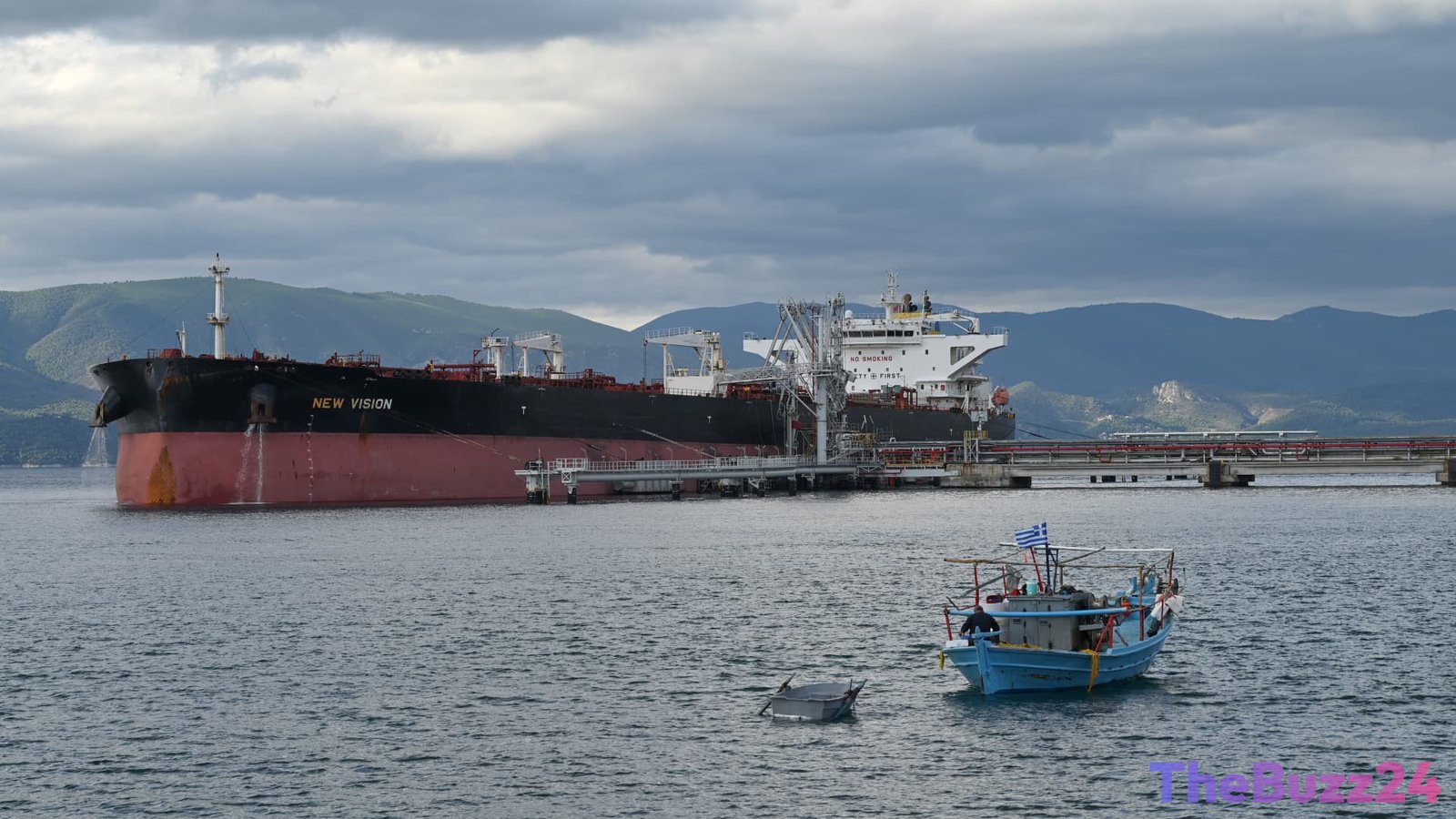
Oil Prices Slip to $85 Range as Middle East Supply Recovers and Surplus Looms
Global crude oil prices experienced a noticeable decline on Monday, driven by a faster-than-expected recovery in Middle East export shipments and lingering geopolitical stalemates. Brent crude dropped 3.6% to settle around $92 per barrel, while West Texas Intermediate (WTI) crude fell 3.5% to approximately $85.50 per barrel. The downward pressure comes as shipping flows through key maritime routes, including the Strait of Hormuz, stabilize despite ongoing regional security challenges.
Market fundamentals are shifting toward a potential oversupply scenario in the medium term. Updated energy sector projections indicate that global oil supply could outpace demand by over 1.7 million barrels per day by the fourth quarter of 2026. This expected surplus marks a significant departure from earlier deficit forecasts, reflecting resilient production capabilities and alternative logistics solutions such as expanded pipeline utilization and ship-to-ship transfers across major producing nations.
Adding to the expanding global supply, Russian crude production witnessed a substantial rebound in October, increasing by 210,000 barrels per day to reach a total of 8.73 million barrels daily. This surge in output reinforces the broader pattern of recovering market volume, even amidst sustained geopolitical friction and international sanctions regimes.
Financial analysts anticipate that the emerging market surplus will keep long-term price appreciation in check. Projections suggest Brent crude could average around $88 per barrel in 2027, with potential further declines toward $78 per barrel by the end of that year as output from Middle Eastern and other international producers continuously exceeds global consumption rates.
Key Takeaways
- Crude oil prices dropped over 3.5% as Middle East export shipments recovered through key transit routes like the Strait of Hormuz.
- Global energy forecasts predict a market surplus exceeding 1.7 million barrels per day by late 2026.
- Russian crude production saw a strong bump in October, surging by 210,000 barrels daily to reach 8.73 million barrels per day.
Editor’s Analysis & Impact
The recent pull-back in crude prices underscores a pivotal transition in global energy dynamics. While geopolitical tensions in the Middle East historically triggered prolonged price spikes, modern supply chain adaptations—such as alternative pipeline routes and ship-to-ship transfers—have enhanced market resilience. Combined with rising output from non-OPEC+ players and recovering Russian supply, the market is quickly moving from supply anxiety to surplus management. Looking ahead, this emerging supply overhang could cool inflationary pressures across major economies, providing relief to fuel consumers and transport sectors. However, energy producers will face tightening margins, likely prompting renewed output discipline or strategic shifts toward lower-cost extraction methods over the next several years.
Frequently Asked Questions
Q: Why are crude oil prices currently falling?
A: Prices are dropping due to a faster-than-anticipated recovery of export shipments through the Strait of Hormuz, rising Russian output, and forecasts pointing toward an impending global oil supply surplus.
Q: What are the long-term price projections for Brent crude?
A: Industry projections expect Brent crude to average around $88 per barrel in 2027, with potential declines down to $78 per barrel by late 2027 as global production outpaces demand.
Q: How is global oil supply increasing despite regional conflicts?
A: Producers are successfully utilizing expanded pipeline capacity, ship-to-ship transfers, and alternative logistics strategies to maintain high export volumes despite ongoing regional security concerns.
AI Disclosure: This article is based on verified data and official reports. Our Team and AI have cross-referenced every financial detail with primary sources to ensure total accuracy.
More from this Category