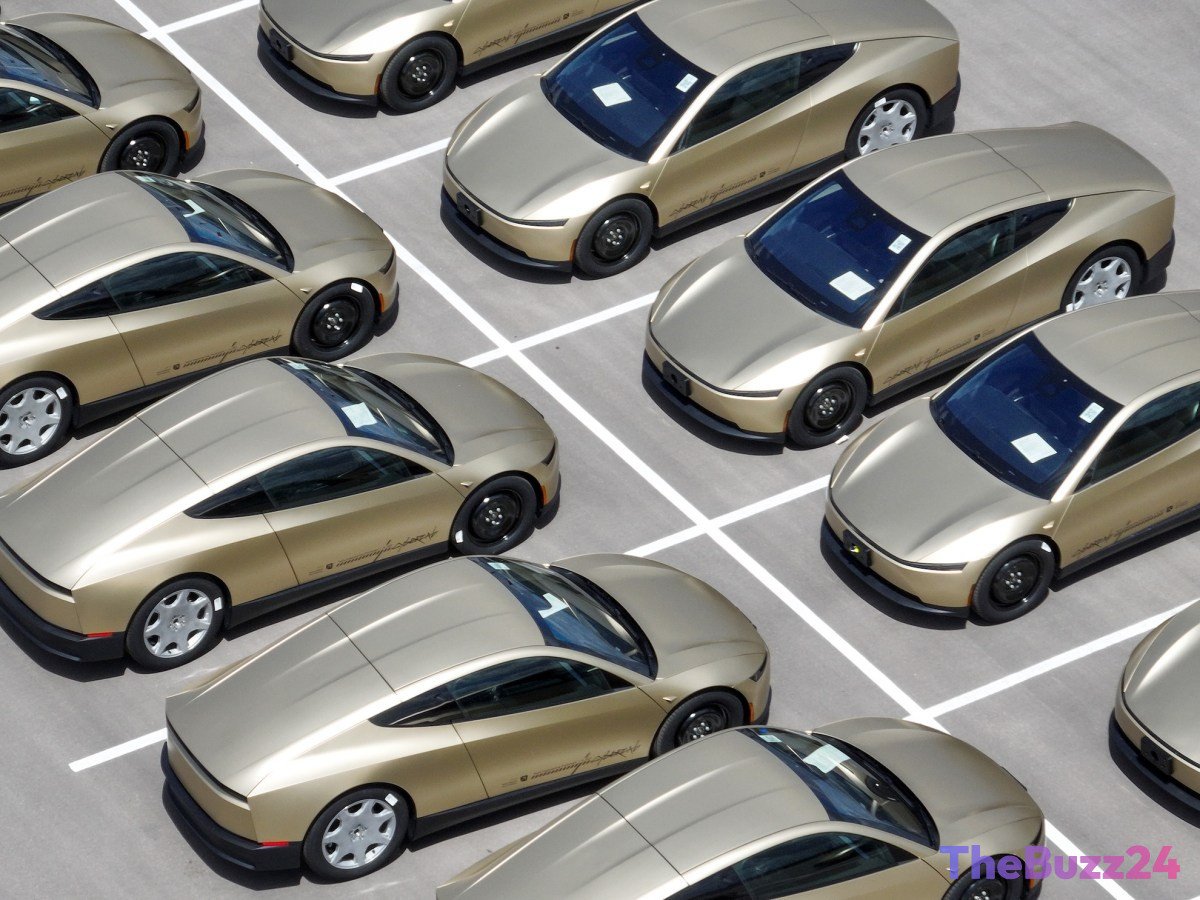
Tesla Accelerates Robotaxi Vision with €3 Billion Berlin Gigafactory Expansion
Tesla is making a substantial multi-billion-euro commitment to the mass production of its distinctive two-seat autonomous vehicles, the Cybercabs. Just two months after their initial deployment, the company announced plans to invest €3 billion ($3.3 billion) into expanding its Berlin Gigafactory. This significant expansion, located in Grünheide, east of Berlin, is slated to begin construction in the first half of 2027, with Cybercab production anticipated to commence in 2029. Once operational, the new facility is projected to have an annual production capacity of up to 1 million vehicles, positioning it as Tesla’s most technologically advanced factory.
This strategic investment underscores Tesla’s evolving corporate mission to transition beyond a traditional automaker into a leading AI and robotics company. The Cybercab, a steering wheel-free vehicle first unveiled in 2024 and publicly launched in September, is central to this vision. This shift is so profound that Tesla has already indicated it will cease Cybertruck production next year, partly to reallocate manufacturing space for Cybercabs at its Austin, Texas factory. CEO Elon Musk has consistently expressed a preference for fully automated driving systems over conventional drive-it-yourself electric vehicles, even as demand for models like the Model 3 and Model Y remains robust globally.
Tesla’s approach to autonomous driving relies exclusively on cameras, a method that distinguishes it from competitors such as Waymo, which integrate additional sensors like lidar. Despite ongoing federal regulatory investigations into the Cybercab’s self-certification and a cautious initial rollout with restricted operating hours, the vehicles have maintained an incident-free record over two months. This track record appears to have bolstered Tesla’s confidence, leading to the substantial investment in Berlin. The company currently operates a fleet of approximately 1,307 robotaxis in Texas, including 573 Cybercabs now active in Austin and soon in Dallas, with Europe now firmly on the roadmap for future expansion.
Key Takeaways
- Tesla is investing €3 billion to expand its Berlin Gigafactory, aiming to produce up to 1 million Cybercabs annually starting in 2029.
- The expansion signifies Tesla's strategic pivot towards becoming an AI and robotics company, with the fully autonomous Cybercab as a core product.
- Despite a cautious initial rollout and regulatory scrutiny, Tesla is confident in its camera-only autonomous technology, expanding its robotaxi services to Europe.
Editor’s Analysis & Impact
Tesla’s multi-billion-euro investment in its Berlin Gigafactory for Cybercab production marks a pivotal moment for the company and the autonomous vehicle industry. This move intensifies competition within the robotaxi sector, challenging traditional automakers and ride-sharing services. Tesla’s unwavering commitment to a camera-only autonomous system, distinct from lidar-based approaches, could either prove revolutionary or face significant hurdles in scalability and regulatory approval. The future outlook suggests a deeper integration of AI and robotics into Tesla’s core identity, potentially redefining its revenue streams from vehicle sales to a service-based mobility model. Broader implications include accelerated adoption of autonomous fleets, which could reshape urban transportation, infrastructure, and even personal vehicle ownership paradigms, pushing the industry towards a more automated future.
Frequently Asked Questions
Q: What is the Cybercab?
A: The Cybercab is Tesla's fully autonomous, two-seat robotaxi designed without a steering wheel or pedals, intended for ride-sharing services as part of the company's vision for future mobility.
Q: When is Tesla planning to start Cybercab production in Berlin?
A: Tesla plans to begin Cybercab production at its expanded Berlin Gigafactory in 2029. Construction for the new facility is expected to commence in the first half of 2027.
Q: How does Tesla's autonomous driving technology differ from competitors like Waymo?
A: Tesla's autonomous driving system relies solely on cameras to perceive its environment and navigate, whereas competitors like Waymo often integrate additional sensors such as lidar for environmental mapping and object detection.
AI Disclosure: This article is based on verified data and official reports. Our Team and AI have cross-referenced every financial detail with primary sources to ensure total accuracy.
More from this Category