OpenAI Launches Advanced Image Classifier and Safety Controls to Combat Child Sexual Abuse Material
In a major effort to bolster platform safety and suppress illegal online content, OpenAI has introduced a suite of specialized tools engineered to detect and prevent Child Sexual Abuse Material (CSAM). Central to this launch is an advanced image classifier designed to identify visual indicators of abuse in both real-world photographs and synthetic, AI-generated imagery. Developed alongside the National Center for Missing and Exploited Children (NCMEC), the tool is being offered free of charge via API to select partners, including Tech Coalition and ROOST, to streamline content moderation.
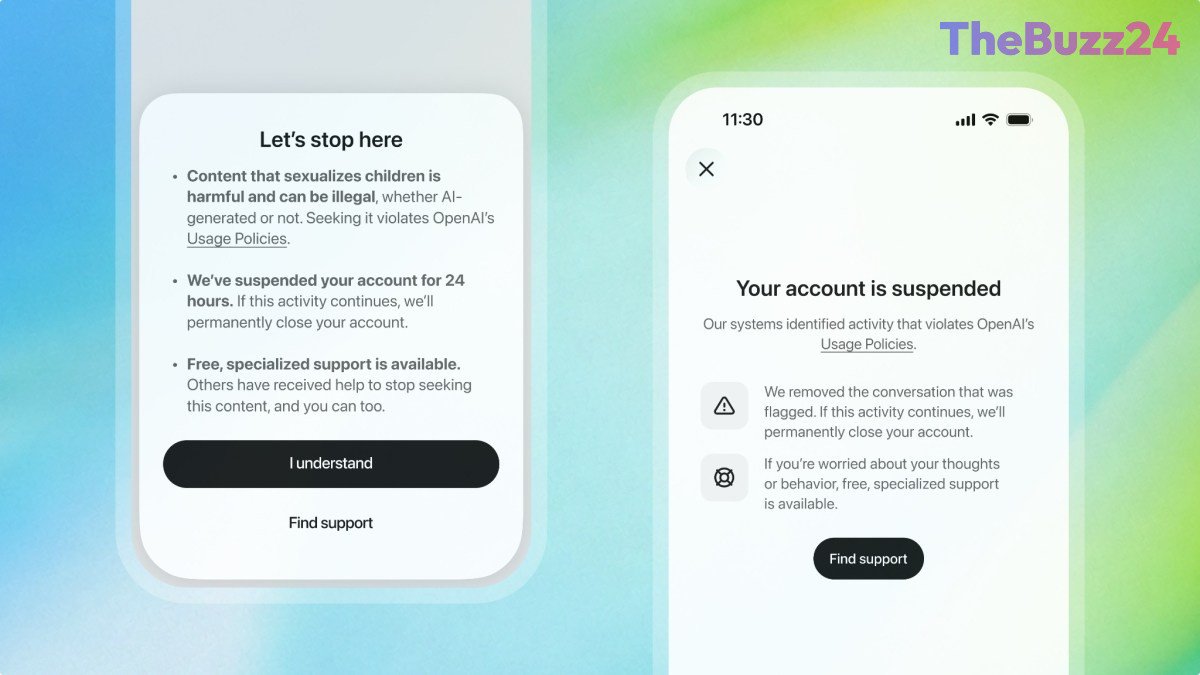
Preliminary evaluation shows that the new classifier substantially improves moderation efficiency. By cutting down non-violation flags by 48% while identifying the same volume of abusive images, human reviewers can flag illicit content with twice the precision. Alongside the underlying detection system, new interactive interventions have been integrated directly into ChatGPT. Users who input prompts seeking or sexualizing children will receive real-time warning prompts, direct links to specialized support resources, and an immediate 24-hour account suspension, with recurring offenses triggering permanent bans.
To safeguard the wider software ecosystem, comprehensive safety frameworks have also been published for third-party developers building on OpenAI’s infrastructure. These developer guidelines focus on facilitating seamless reporting directly to NCMEC and integrating robust content filters. Furthermore, law enforcement agencies handling child safety cases are receiving access to specialized AI plug-ins, advanced data analytics tools, and dedicated field training guides to assist in complex criminal investigations.
This broad technical rollout follows mounting regulatory pressure and criticism from child safety advocates across the AI industry. With generative models across various platforms encountering misuse for nonconsensual media creation, these preventive measures—developed in consultation with researchers from Protect Children and the Lucy Faithfull Foundation—signal a focused push to embed structural safeguards into commercial artificial intelligence applications.
Key Takeaways
- OpenAI introduced a high-precision image classifier to detect both authentic and AI-generated child sexual abuse material.
- ChatGPT now enforces instant warning screens, support resources, and automatic 24-hour account suspensions for policy violations.
- The initiative provides free API access for safety organizations alongside specialized analytical tools and training for law enforcement.
Editor’s Analysis & Impact
OpenAI’s proactive deployment of CSAM detection tools and real-time chat interventions represents a necessary pivot toward embedded corporate accountability in the generative AI sector. As multimodal models become more powerful, the potential for synthetic visual abuse poses profound ethical, legal, and legal liabilities for platform operators. By sharing its proprietary classifier free of charge with safety organizations and equipping law enforcement with specialized analytical toolkits, OpenAI is seeking to establish an industry standard for proactive risk mitigation. Moving forward, regulators globally will likely expect similar baseline safety architectures from all generative AI providers, shifting the paradigm from reactive moderation to built-in structural prevention.
Frequently Asked Questions
Q: How does OpenAI's new image classifier assist content reviewers?
A: The classifier evaluates visual markers of child abuse in images—including AI-generated content—and assigns a risk score. Early tests indicate it reduces false flags by 48%, doubling the likelihood that flagged images are actual violations.
Q: What happens if a user inputs harmful prompts into ChatGPT?
A: ChatGPT displays an immediate alert screen with links to help resources and automatically suspends the user's account for 24 hours. Repeat offenses result in a permanent ban.
Q: Are these child safety tools available to external organizations?
A: Yes, OpenAI is offering free API access to select safety organizations such as NCMEC, Tech Coalition, and ROOST, while also supplying specialized toolkits and training guides to law enforcement investigators.
AI Disclosure: This article is based on verified data and official reports. Our Team and AI have cross-referenced every financial detail with primary sources to ensure total accuracy.
More from this Category