UK and EU Ink New Pact, Aiming to Bolster Post-Brexit Relations
The United Kingdom and the European Union have successfully concluded a new agreement, designed to fortify their relationship in the post-Brexit era. The landmark deal, finalized during a recent summit in Brussels, addresses several critical areas aimed at fostering closer cooperation and resolving ongoing issues.
Key provisions within the new pact include enhanced arrangements for British food exports, a framework for emissions trading, and the establishment of a youth experience scheme. These measures are intended to streamline trade, align environmental efforts, and promote cultural exchange between the UK and the bloc.
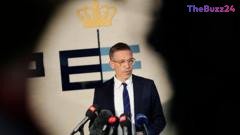
Reactions to the agreement have been varied. Prime Minister Andy Burnham hailed the development as a “good day” for both Britain and Europe, signaling a positive step forward. This sentiment was echoed by European Council President António Costa, who affirmed the EU’s continued readiness to cultivate the “closest possible relationship” with the United Kingdom.
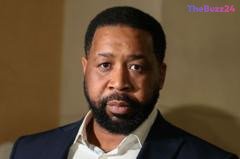
However, the deal has also drawn significant criticism from within the UK. Conservative leader Kemi Badenoch expressed dissatisfaction, stating that the agreement “isn’t fair.” Meanwhile, Reform party leader Nigel Farage went further, denouncing the pact as a “betrayal of the British people,” highlighting the deep divisions that persist regarding the UK’s relationship with the EU.
Key Takeaways
- The United Kingdom and the European Union have reached a new agreement to strengthen post-Brexit ties following a summit in Brussels.
- The deal encompasses British food exports, emissions trading, and a youth experience scheme, aiming to foster closer cooperation.
- Reactions to the pact are mixed, with positive endorsements from leaders like Andy Burnham and António Costa, contrasted by strong criticism from Kemi Badenoch and Nigel Farage.
Editor’s Analysis & Impact
This new agreement between the UK and EU signals a pragmatic step towards stabilizing their post-Brexit relationship. For industries, particularly those involved in food exports, the deal could alleviate some trade barriers and provide greater certainty. The inclusion of emissions trading also suggests a move towards aligning on critical global issues, potentially fostering a more predictable regulatory environment. Looking ahead, this pact indicates a mutual desire to move beyond past disputes and establish a more functional working relationship, even if full integration remains off the table. However, the sharply divided domestic reactions in the UK underscore the persistent political sensitivities surrounding Brexit. While offering some economic benefits and a path for cooperation, the deal also highlights the ongoing challenge for the UK government to balance economic necessities with the diverse expectations of its electorate regarding its European ties.
Frequently Asked Questions
Q: What are the main components of the new UK-EU deal?
A: The new agreement primarily focuses on strengthening post-Brexit ties by addressing British food exports, establishing a framework for emissions trading, and introducing a youth experience scheme to foster cultural exchange.
Q: Who are the key figures involved in negotiating and reacting to this agreement?
A: Prime Minister Andy Burnham and European Council President António Costa expressed positive views on the deal. However, it faced criticism from Conservative leader Kemi Badenoch and Reform party leader Nigel Farage.
Q: What is the significance of this deal for future UK-EU relations?
A: This deal signifies a continued effort by both the UK and the EU to find common ground and improve their relationship post-Brexit. It aims to reduce friction in specific areas and establish mechanisms for cooperation, indicating a move towards a more stable, albeit complex, future relationship.
AI Disclosure: This article is based on verified data and official reports. Our Team and AI have cross-referenced every financial detail with primary sources to ensure total accuracy.
More from this Category