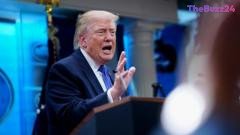
Trump Proposes Domestic Mandate for AI Data Centers to Counter Global Competition
President Donald Trump has signaled a potential shift in national technology policy, declaring his intention to prevent U.S. companies from constructing artificial intelligence data centers on foreign soil. The President suggested that firms attempting to bypass domestic infrastructure requirements could face significant taxation, emphasizing a desire to keep the nation’s technological backbone within its own borders to maintain a competitive edge over China.
While the administration has yet to formalize these remarks into official policy, the proposal reflects growing concerns regarding the strategic importance of AI infrastructure. Data centers, which house the high-performance computing hardware necessary to power large language models and advanced AI systems, have become a focal point of national security discussions. The President specifically cited the need to prevent foreign rivals from gaining access to the computing power generated by American-led technological advancements.
This rhetoric follows recent federal efforts to tighten oversight on the export of advanced computer chips. By requiring licenses for the purchase of high-end processors, the government aims to monitor and restrict the flow of computing power to foreign entities. As major tech companies like Meta, Google, and Anthropic continue to expand their global footprints—with projects currently underway in regions like Canada and Finland—the administration’s stance suggests a looming conflict between corporate globalization strategies and emerging domestic protectionist policies.
Industry experts note that the domestic construction of data centers is already a complex issue, balancing the massive energy demands of AI against local environmental and community concerns. While the administration encourages the development of these facilities within the U.S., the transition from rhetoric to enforceable regulation remains uncertain, leaving tech giants to navigate an increasingly volatile landscape of international investment and domestic mandates.
Key Takeaways
- President Trump has proposed a ban on U.S. companies building AI data centers overseas to ensure domestic control of critical infrastructure.
- The administration is concerned that foreign nations, particularly China, could leverage U.S.-backed data centers to gain an advantage in artificial intelligence.
- Major tech firms like Google and Meta are currently expanding their data center footprints internationally, creating a potential clash with the proposed domestic-only policy.
Editor’s Analysis & Impact
The proposal to mandate domestic data center construction represents a significant escalation in the ‘AI arms race.’ By framing data centers as critical national assets, the administration is moving toward a model of technological sovereignty that mirrors historical industrial protectionism. If implemented, this policy would force a massive reallocation of capital for hyperscalers, likely increasing operational costs due to higher U.S. energy and labor expenses. Furthermore, it risks alienating international partners like Canada and Finland, who have actively courted these investments. The broader implication is a fragmented global AI infrastructure, where companies may be forced to choose between domestic tax incentives and the logistical benefits of global expansion. Investors should monitor how this rhetoric translates into executive orders, as it could fundamentally alter the cost structure and supply chain strategies of the world’s largest technology firms.
Frequently Asked Questions
Q: Why does the administration want to keep data centers in the U.S.?
A: The administration views AI data centers as critical national infrastructure and fears that building them abroad could allow foreign rivals, specifically China, to access or control the computing power necessary for advanced AI development.
Q: Are there currently laws preventing U.S. companies from building data centers overseas?
A: No. Currently, there is no official policy or law prohibiting U.S. tech firms from building data centers abroad. The President's comments represent a proposed policy shift that has not yet been formalized or enacted.
AI Disclosure: This article is based on verified data and official reports. Our Team and AI have cross-referenced every financial detail with primary sources to ensure total accuracy.
More from this Category