Hollywood’s New Frontier? Actors License Digital Likenesses for AI-Generated Microdramas
The burgeoning world of microdrama is exploring a radical new frontier, with companies like Shortical pioneering the use of AI-generated content and even offering actors the chance to license their digital likenesses. Shortical, a startup known for its short, subscription-based, melodramatic romance series, has recently shifted its focus towards AI production, citing significantly lower overhead costs and potentially higher profit margins compared to traditional live-action filming.
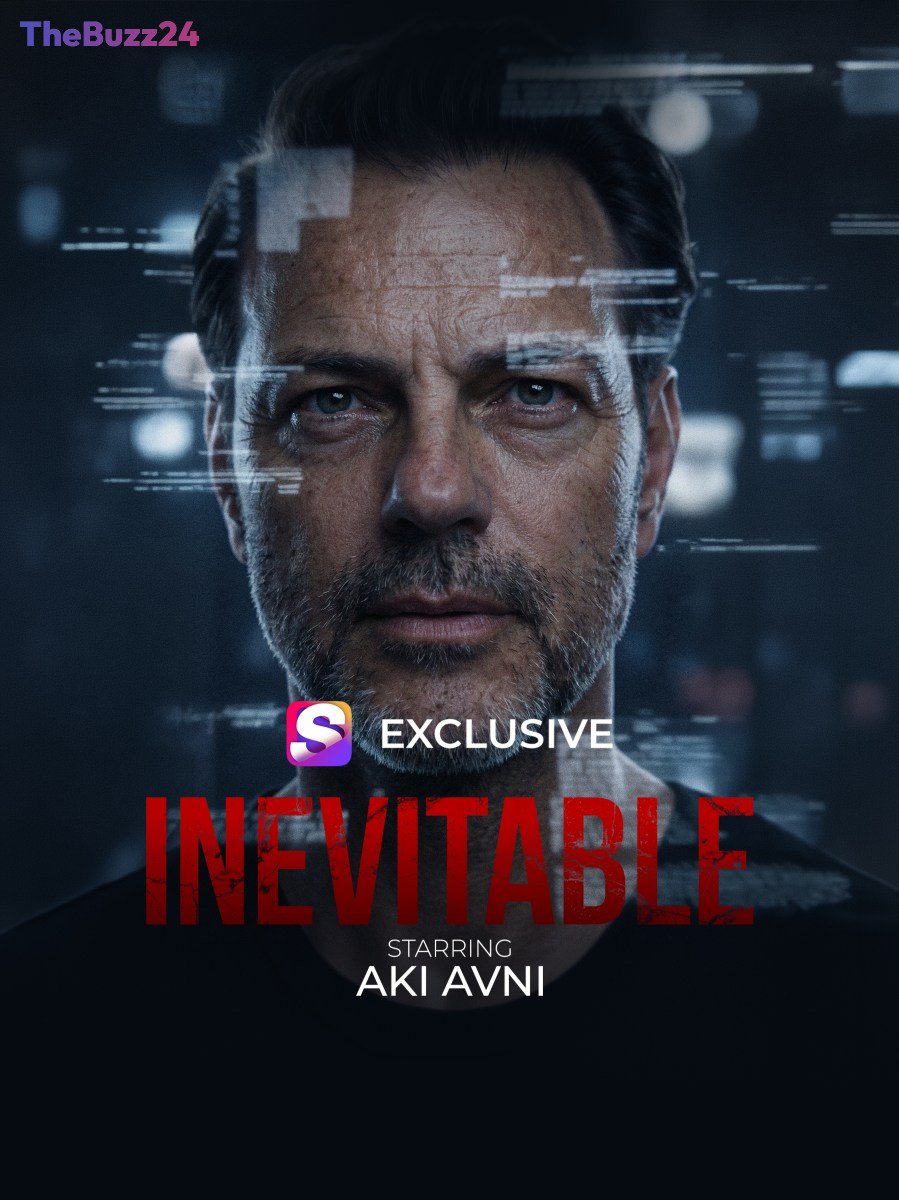
This innovative approach was highlighted with the premiere of “Inevitable” in Los Angeles, a series starring Israeli actor Aki Avni. In a meta twist, Avni licensed his own face to Shortical, allowing the company to create a digital avatar of him for the AI-driven production. This marks a significant departure from conventional Hollywood practices, positioning Avni as a pioneer in a new era of digital performance. “AI is a new kind of art. It’s a new format. It’s always great to be the pioneer in something,” Avni commented on the project.
Shortical CEO Guy Shimoni emphasized the democratizing effect of AI, stating that it enables smaller teams to produce content on a scale previously reserved for major studios. This allows for the creation of more ambitious narratives, including fantasy and superhero genres, which were previously cost-prohibitive for mobile-first productions. While the microdrama audience is global, with China being the largest market, Shortical reports a significant viewership base in the U.S., predominantly female, who consume these short-form dramas for evening relaxation.
The company is actively seeking to expand this model, advertising a “LICENSE YOUR FACE” initiative on its website, inviting individuals to submit social media profiles for potential contracts to use their likenesses in AI-generated content. Although this program is in its nascent stages and no contracts have been signed through the platform yet, the series starring Avni serves as a direct precursor. This trend mirrors developments in China, where face-licensing for microdramas is already established, though often with compensation ranging from $15 to $700. Shortical has not disclosed specific figures for Avni’s deal but indicated it was comparable to a standard acting role, with potential for partnership.
However, this shift towards AI and digital likenesses raises concerns within the creative community. Many actors and industry observers worry about job displacement and the devaluation of traditional acting roles, especially for emerging talent who previously saw microdramas as an entry point. The potential for AI to automate content creation, reducing the need for human actors, has led to apprehension. Furthermore, questions surrounding consent and the ethical implications of using digital likenesses persist, though Shortical’s licensing model aims to address these issues proactively. The company’s partnership with Payouts.com aims to streamline compensation for creators involved in this new digital ecosystem.
Key Takeaways
- Microdrama startup Shortical is leveraging AI to produce content at a lower cost and is pioneering the licensing of actors' digital likenesses.
- Actor Aki Avni has become one of the first to license his face for an AI-generated microdrama, "Inevitable," exploring a new model for digital performance.
- The move towards AI in microdramas raises concerns about job displacement for actors while also offering potential for creators to monetize their digital identities.
Editor’s Analysis & Impact
The integration of AI and digital likeness licensing in the microdrama industry, as exemplified by Shortical, signals a significant shift driven by economic efficiencies and venture capital interest. While AI offers the promise of scalable, cost-effective content creation, it simultaneously introduces profound ethical and economic questions for actors and creatives. The trend reflects a broader industry push towards automation, where ‘AI’ has become a buzzword for investment. The success of this model hinges on audience acceptance and the ability to establish fair compensation structures that don’t exploit creators, potentially leading to a gig economy for digital personas. The long-term impact on traditional acting roles and the definition of performance remains to be seen.
Frequently Asked Questions
Q: What is microdrama?
A: Microdrama refers to short-form video content, typically with melodramatic storylines and cliffhangers, designed for mobile viewing. Episodes are usually very brief, often around two minutes long, and are commonly distributed through subscription-based platforms.
Q: How does licensing a digital likeness work in this context?
A: Licensing a digital likeness involves an actor granting a company permission to create and use a digital avatar based on their appearance for use in AI-generated content. This allows the company to feature the actor's likeness in productions without the actor needing to be physically present, potentially opening new revenue streams for performers.
Q: What are the main concerns about AI in the entertainment industry?
A: Key concerns include potential job displacement for actors and other creative professionals as AI can automate content creation. There are also ethical considerations regarding consent, ownership of digital likenesses, and the potential devaluation of human performance and artistic craft.
AI Disclosure: This article is based on verified data and official reports. Our Team and AI have cross-referenced every financial detail with primary sources to ensure total accuracy.
More from this Category