Senior Hamas Security Official Killed in Targeted Israeli Air Strike in Gaza City
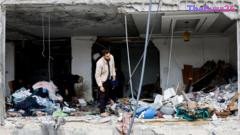
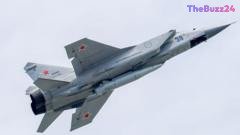
An Israeli aerial strike in Gaza City has killed Naeem Abu Nahel, the head of Hamas’s internal security apparatus, alongside at least six other Palestinians in separate military actions across the region. Abu Nahel, 50, had stepped into the leadership role in September following the capture of his predecessor during an Israeli special forces operation. Witnesses reported that a drone targeted Abu Nahel on a side street close to a displacement camp in western Gaza City, with Israeli defense officials later confirming his death and citing his role in directing operational security and actions against military personnel.
Additional strikes were carried out across the territory, including operations in the Wadi Gaza area and near a law enforcement station in al-Mawasi, located west of Khan Younis. Local authorities confirmed that two police officers were killed in the al-Mawasi attack, accusing military forces of systematically targeting municipal security personnel to destabilize governance. Israeli military representatives maintained that all targets engaged during the operations were identified military operatives.
The renewed military activity takes place against the backdrop of a compounding health and humanitarian crisis across Gaza. Regional health authorities issued warnings regarding a dramatic rise in meningitis infections, recording 272 cases in October—an eightfold increase compared to standard monthly figures. The healthcare system has linked at least 15 fatalities to the disease this year, intensifying pressure on international agencies seeking to deliver essential vaccines and specialized medical supplies.
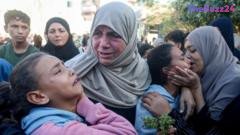
Living conditions for the displaced population of 2.1 million remain precarious as seasonal heavy rainfall has flooded makeshift camps and damaged temporary housing. While defense logistics bodies report ongoing coordination with aid organizations to deliver emergency generators, water pumps, and medical gear, international humanitarian bodies continue to call for expanded access through border crossings to mitigate severe winter hardship and contain spreading infections.
Key Takeaways
- Hamas internal security chief Naeem Abu Nahel was killed in a targeted Israeli drone strike in Gaza City.
- Multiple air strikes across the Gaza Strip resulted in additional fatalities, including municipal police officers in Khan Younis.
- Health agencies report an eightfold increase in meningitis cases amid severe winter flooding and deteriorating living conditions.
Editor’s Analysis & Impact
The targeting of Naeem Abu Nahel highlights an ongoing strategy focused on dismantling the command and control architecture of Hamas’s internal security apparatus. By targeting high-ranking leadership responsible for internal enforcement and counter-intelligence, military planners aim to erode the organizational cohesiveness of regional forces. However, the recurring strikes on civil police facilities and personnel raise concerns over administrative degradation, potentially accelerating lawlessness and security vacuums in heavily populated displacement zones. Simultaneously, the drastic surge in infectious diseases like meningitis underscores how physical infrastructure destruction directly translates into severe public health emergencies. Without sustained humanitarian corridors and institutional stabilization, the operational security victories risk being overshadowed by an escalating humanitarian catastrophe.
Frequently Asked Questions
Q: Who was Naeem Abu Nahel?
A: Naeem Abu Nahel was the 50-year-old head of Hamas's internal security service, a position he assumed in September following the capture of his predecessor by Israeli forces.
Q: What health crisis is currently escalating in Gaza?
A: Health authorities have reported a sharp spike in meningitis cases, with 272 instances documented in a single month—approximately eight times the normal monthly average.
Q: What measures are being taken to address winter weather conditions in the region?
A: International relief organizations and defense coordination bodies are attempting to deliver emergency shelter gear, water pumps, generators, and medical supplies to protect displaced residents from severe weather and flooding.
AI Disclosure: This article is based on verified data and official reports. Our Team and AI have cross-referenced every financial detail with primary sources to ensure total accuracy.
More from this Category