Georgia’s Pecan Powerhouse: From Historic Boom to Modern Challenges
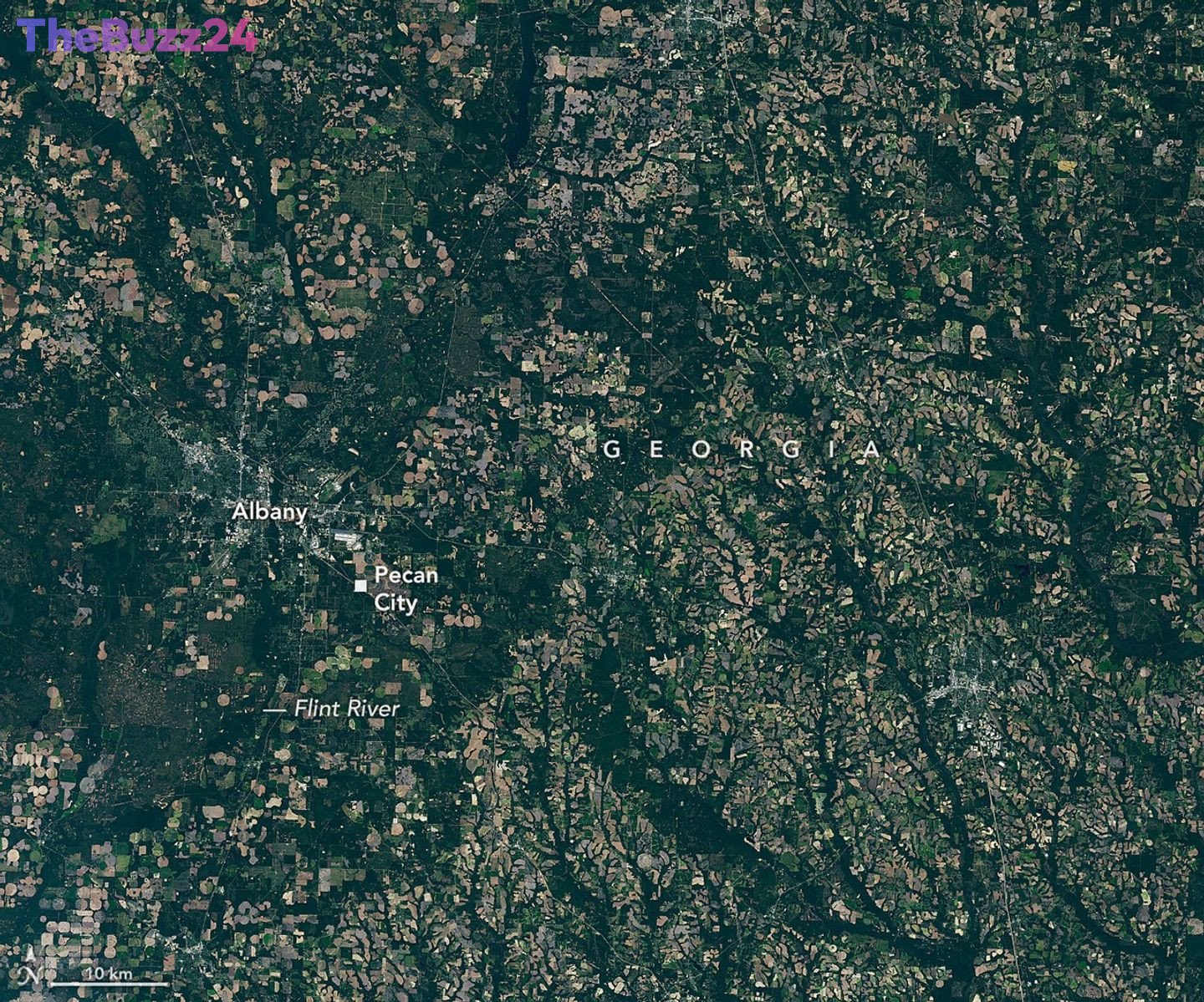
Southwest Georgia, particularly the region around Albany, remains a significant hub for pecan cultivation, a crop deeply ingrained in American culinary traditions. This area, characterized by its sandy soils and proximity to the Flint River, provides ideal conditions for growing pecans, a species of hickory native to North America. The region’s agricultural landscape is a mosaic of pecan groves interspersed with fields of other staple crops like peanuts, cotton, and corn, especially during the crucial harvest season that typically spans from October through December.
The history of Georgia’s pecan industry is one of remarkable growth. In the late 19th century, pecan orchards covered less than 100 acres in the state. However, a significant boom in the early 20th century saw thousands of acres planted, transforming southwest Georgia into a major production center. By the mid-20th century, Georgia had ascended to become the nation’s leading pecan producer, yielding millions of pounds annually. This agricultural success is supported by access to the Floridan aquifer system, which provides essential water for irrigation.
While Georgia continues to be a dominant force in pecan production, the industry has faced considerable challenges in recent decades. Increased competition from other states like New Mexico and Texas, coupled with the devastating impacts of natural disasters such as Hurricane Michael in 2018 and Hurricane Helene in 2024, have tested the resilience of growers. Despite these setbacks, the state’s production has remained robust, consistently exceeding 100 million pounds in recent years. However, the 2026 season brought new hurdles, including a wet summer that exacerbated fungal diseases like pecan scab, affecting nut quality and yield for some farmers.
Key Takeaways
- Southwest Georgia is a major center for pecan production, benefiting from favorable soil and water conditions.
- The state has a long history of leading U.S. pecan production, experiencing significant growth in the early 20th century.
- Recent challenges include competition from other states, severe weather events like hurricanes, and fungal diseases impacting harvests.
Editor’s Analysis & Impact
Georgia’s enduring position as a top pecan producer highlights the critical role of agriculture in its economy. The industry’s ability to rebound from natural disasters and disease outbreaks demonstrates its resilience, yet also underscores the increasing vulnerability of large-scale agriculture to climate change and extreme weather. The ongoing need for irrigation points to the importance of sustainable water management. As other states gain prominence, Georgia’s focus will likely remain on optimizing yields, managing disease, and adapting to environmental pressures to maintain its competitive edge in the national and global pecan market.
Frequently Asked Questions
Q: What is the primary region for pecan cultivation in Georgia?
A: The primary region for pecan cultivation in Georgia is in the southwestern part of the state, particularly around Albany in Dougherty County.
Q: What factors contribute to Georgia's success in growing pecans?
A: Georgia's success is attributed to its well-drained sandy soils, proximity to water sources like the Flint River, and access to the Floridan aquifer system for irrigation, which are ideal conditions for pecan trees.
Q: What recent challenges have impacted Georgia's pecan industry?
A: Recent challenges include damage from hurricanes (Michael in 2018 and Helene in 2024), increased competition from other states, and fungal diseases like pecan scab, which were exacerbated by a wet summer in 2026.
AI Disclosure: This article is based on verified data and official reports. Our Team and AI have cross-referenced every financial detail with primary sources to ensure total accuracy.
More from this Category