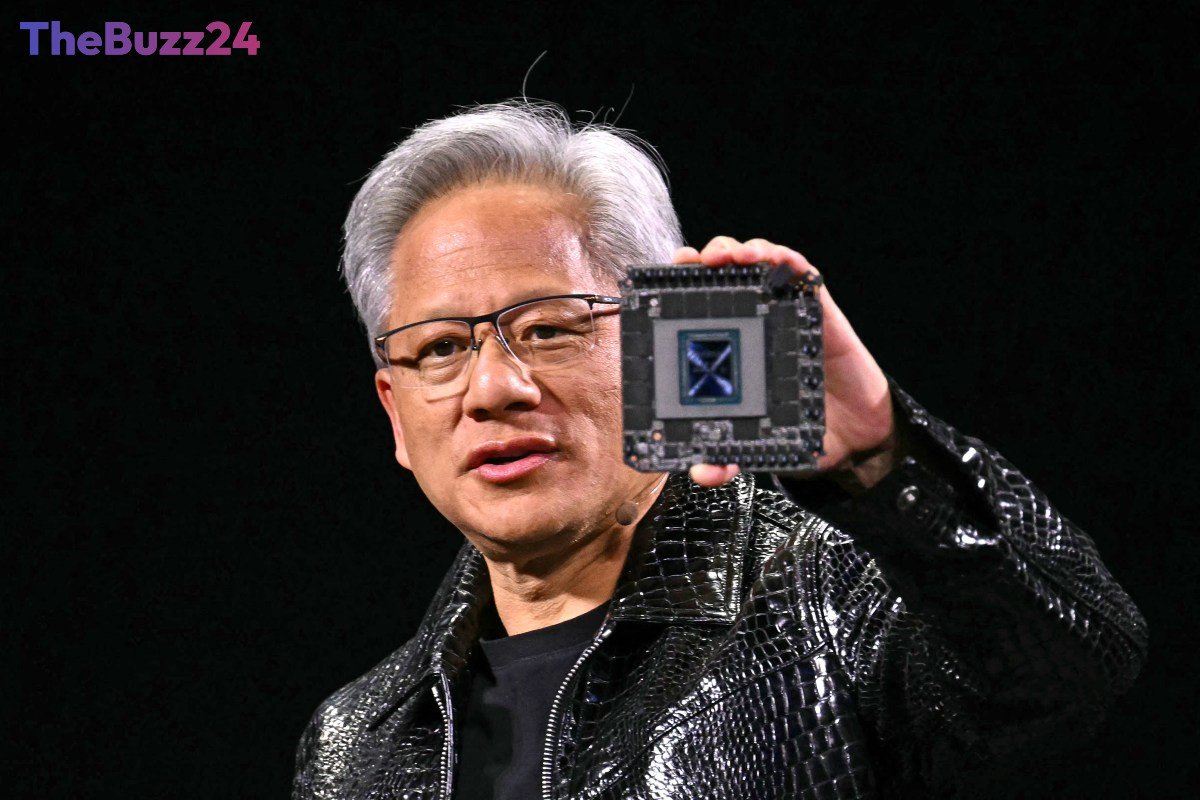
Nvidia CEO Jensen Huang Defends Unique Structure, Dismisses Succession Planning Amidst Scrutiny
Nvidia CEO Jensen Huang has reiterated his stance against formal succession planning, even as the company faces increased scrutiny following recent personal revelations. In a recent all-hands meeting, Huang reportedly told employees that Nvidia’s distinctive organizational model negates the need for such plans, arguing that they would introduce “unnecessary hierarchy.”
This perspective comes at a critical juncture for the chip giant. Investors and industry observers have previously raised concerns about leadership continuity, particularly in light of Huang’s recent admission of extramarital affairs. While Huang maintains that Nvidia operates as a flat organization with approximately 60 direct reports and only five executive officers, a structure he has long championed, this approach contrasts sharply with the multi-layered management typical of many large corporations.
Huang has consistently defended Nvidia’s lean structure, emphasizing its role in fostering innovation and efficient output. He has previously stated that company designs should prioritize the production of desired outcomes rather than adhering to conventional organizational charts. This philosophy, he believes, allows Nvidia to function as a highly effective system for creating its cutting-edge products.
Despite Huang’s assurances and his long-held views on organizational design, the recent events may present a challenge to his argument. The board and shareholders might seek more concrete assurances regarding long-term leadership stability, potentially pushing for a more traditional approach to succession planning to mitigate perceived risks.
Key Takeaways
- Nvidia CEO Jensen Huang believes formal succession planning is unnecessary for the company due to its unique, flat organizational structure.
- Huang argues that succession plans would create "unnecessary hierarchy" within Nvidia's operational model.
- The CEO's comments come amidst increased scrutiny following personal revelations and ongoing discussions about leadership continuity at the chipmaker.
Editor’s Analysis & Impact
Jensen Huang’s steadfast refusal to implement formal succession planning at Nvidia, despite recent personal controversies, highlights a deep-seated belief in the company’s unconventional structure. While this flat model has historically fostered agility and innovation, it presents a significant governance challenge. The market often values clear leadership pipelines, and Huang’s direct control over a vast number of direct reports could be perceived as a single point of failure. As Nvidia continues its trajectory in the critical AI hardware sector, investors will likely demand greater transparency and robustness in leadership transition strategies to ensure stability and continued growth, potentially forcing a re-evaluation of Huang’s philosophy.
Frequently Asked Questions
Q: What is Nvidia's organizational structure?
A: Nvidia operates with a relatively flat organizational structure, characterized by CEO Jensen Huang having a large number of direct reports (around 60) and a small executive team of only five key officers.
Q: Why does Jensen Huang oppose succession planning?
A: Huang believes that formal succession planning would introduce "unnecessary hierarchy" into Nvidia's unique business model, which he argues is designed for maximum efficiency and product output.
Q: What are the potential risks of Nvidia's structure?
A: The primary risk associated with Nvidia's flat structure and lack of formal succession planning is leadership continuity. Investors and analysts may be concerned about the company's stability and future direction should Huang be unable to lead.
AI Disclosure: This article is based on verified data and official reports. Our Team and AI have cross-referenced every financial detail with primary sources to ensure total accuracy.
More from this Category