Ukrainian Long-Range Strikes Target Russian Airbase and Oil Facilities
In a coordinated series of long-range operations, military forces successfully struck five Russian combat jets stationed at the Savasleyka airfield, located roughly 300 kilometers east of Moscow. The targeted facility in the Nizhny Novgorod region houses crucial aircraft responsible for launching hypersonic missiles and guided glide bombs, which frequently prompt nationwide air raid alerts across Ukraine.
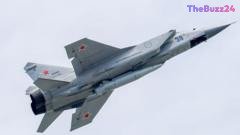
Defense officials confirmed that three MiG-31 fighter jets and two Su-34 tactical bombers sustained damage during the airfield assault, though comprehensive evaluations of the wreckage are ongoing. The MiG-31 aircraft are of particular strategic significance because they carry Kinzhal missiles, which pose a severe interception challenge for standard defense systems. Alongside the airbase raid, overnight operations targeted two petroleum refineries in the Samara region, situated roughly 800 kilometers from the front lines, compounding pressure on Moscow’s domestic energy processing infrastructure.
Local authorities in the Samara region reported extensive drone activity, with regional officials noting that over 145 aerial vehicles were intercepted during the nocturnal assault. The strikes resulted in localized power outages and infrastructure strain, prompting calls from leadership for heightened security measures around critical energy installations. Meanwhile, ongoing hostilities continue to severely impact civilian areas and power grids throughout Ukraine, underscoring the relentless nature of the protracted conflict.
Key Takeaways
- Five Russian military aircraft, including three MiG-31s and two Su-34s, were damaged at the Savasleyka airfield.
- Overnight drone strikes also targeted two oil refineries in Russia's Samara region, impacting local energy infrastructure.
- Russian leadership has called for enhanced security at energy facilities while promising a retaliatory response.
Editor’s Analysis & Impact
The intensification of long-range drone strikes by Ukraine marks a strategic shift aimed at degrading Russia’s offensive capabilities far beyond the active front lines. By targeting high-value assets such as MiG-31 interceptors—which carry difficult-to-intercept hypersonic missiles—and critical oil refineries, the strategy seeks to impose economic costs and disrupt military logistics. As Moscow works to bolster security around energy and military installations, these deep-penetration strikes highlight the evolving nature of modern aerial warfare, where asymmetrical drone technology continuously challenges traditional air defense paradigms and alters the broader strategic calculus of the conflict.
Frequently Asked Questions
Q: What aircraft were targeted in the Savasleyka airfield strike?
A: The strike damaged three MiG-31 fighter jets and two Su-34 tactical bombers.
Q: Where is the Savasleyka airfield located?
A: The airfield is situated in Russia's Nizhny Novgorod region, approximately 300 kilometers east of Moscow.
Q: What other facilities were hit during the operations?
A: In addition to the airbase, two oil refineries in Russia's Samara region and various radar systems and fuel depots in Russian-occupied territories were targeted.
AI Disclosure: This article is based on verified data and official reports. Our Team and AI have cross-referenced every financial detail with primary sources to ensure total accuracy.
More from this Category