New Zealand’s Resolution Island: A Historic Sanctuary’s Enduring Battle for Native Wildlife
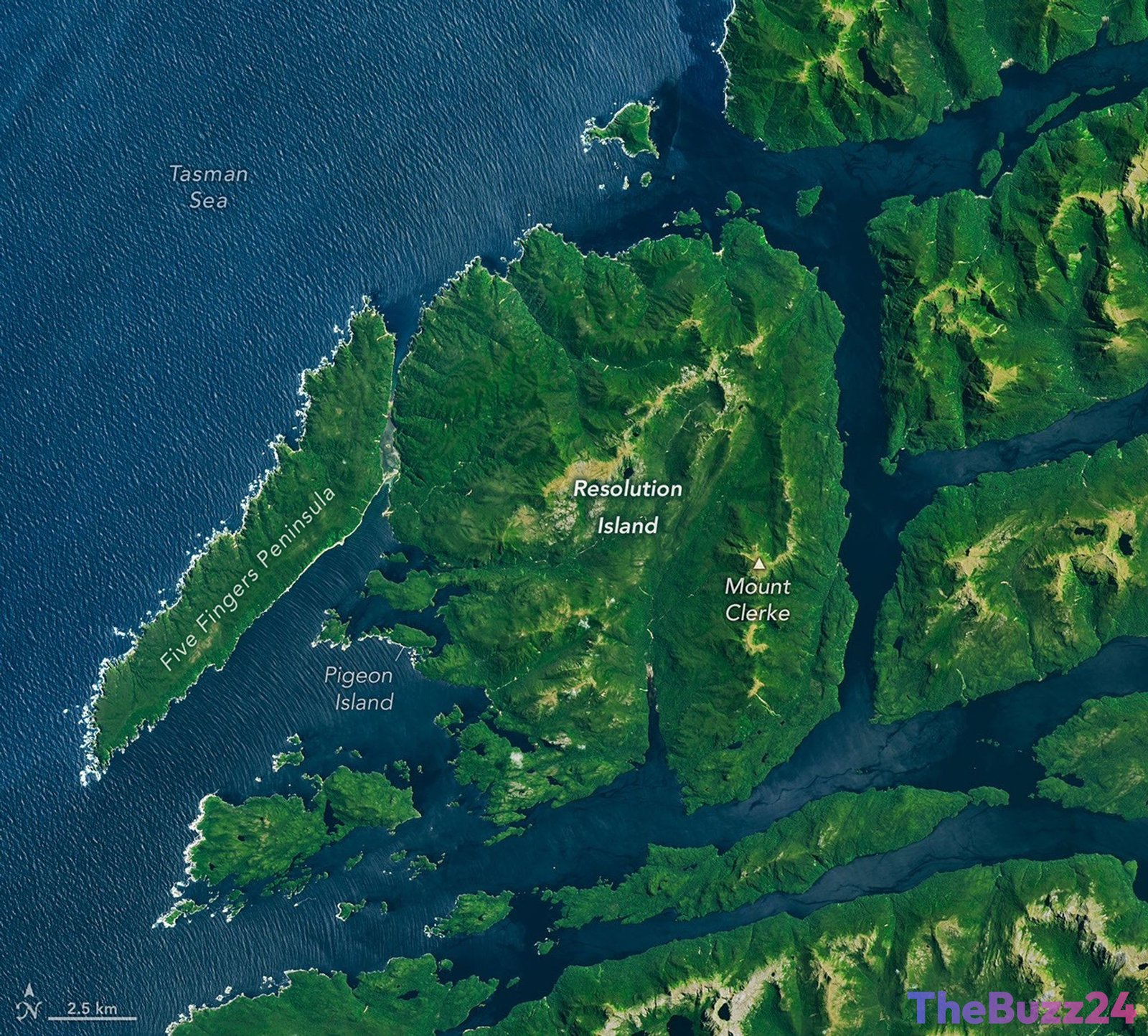
In the late 19th century, New Zealand’s conservationists grappled with a growing crisis: introduced predators like stoats, initially brought in to control other invasive species, were decimating native bird populations. This led to the pioneering idea of using the nation’s numerous islands as natural refuges, safe havens where endemic species could thrive away from these new threats. Resolution Island, a significant landmass situated in the Fiordland region on the remote southwestern coast of the South Island, emerged as a prime candidate for such an endeavor.
Conservationist Thomas Henry Potts championed the island’s potential in 1872, proposing it as a sanctuary for “wingless species, and birds of feeble powers of flight.” This vision spurred an early, systematic effort to protect iconic native birds, including the kiwi and the kākāpō, on Resolution Island, the largest of the approximately 90 islands within Fiordland National Park. The island itself is a dramatic landscape, rising from sea level to the summit of Mount Clerke at 1,069 meters (3,507 feet), characterized by steep glacial valleys and diverse habitats ranging from coastal bogs to subalpine tussock grasslands.
Richard Henry, appointed caretaker of Resolution Island after its designation as a reserve in 1891, undertook a monumental task. Over several years, he painstakingly transported more than 700 native birds, primarily kiwi and kākāpō, by rowboat to Resolution Island and other nearby island sanctuaries. This ambitious initiative, though groundbreaking, faced an unforeseen challenge. By 1900, mustelids, including stoats, were discovered on Resolution Island, having apparently swum from the mainland. Despite Henry’s dedicated trapping efforts, the predator threat proved insurmountable, and he eventually relocated. However, the commitment to protecting Resolution Island’s unique biodiversity endures. A Department of Conservation program initiated in 2008 continues the fight, focusing on controlling stoat populations and supporting the recovery of native species on the island.
Key Takeaways
- Resolution Island was identified in the late 1800s as a potential sanctuary for New Zealand's native birds threatened by introduced predators.
- Conservationist Richard Henry relocated over 700 native birds, including kiwi and kākāpō, to Resolution Island in a significant early conservation effort.
- The introduction of stoats to Resolution Island, likely via swimming, undermined early conservation attempts, but modern programs continue efforts to control predators and protect native species.
Editor’s Analysis & Impact
The story of Resolution Island highlights a recurring challenge in conservation: the persistent threat of invasive species, even in seemingly isolated environments. The initial optimism surrounding island sanctuaries has been tempered by the adaptability of predators, demonstrating that effective conservation requires ongoing vigilance and adaptive strategies. This case underscores the long-term commitment needed to restore and maintain ecological balance. The continued efforts by New Zealand’s Department of Conservation reflect a broader global trend towards intensive management of island ecosystems, recognizing their unique vulnerability and critical role in biodiversity preservation. The island’s history serves as a valuable lesson in the complexities of ecological restoration.
Frequently Asked Questions
Q: Why was Resolution Island chosen as a sanctuary?
A: Resolution Island was chosen due to its remote location and rugged terrain, making it a promising natural refuge for native New Zealand birds that were being threatened by introduced predators like stoats.
Q: What challenges did early conservation efforts on Resolution Island face?
A: The primary challenge was the introduction of stoats to the island, which were able to swim from the mainland. These predators posed a significant threat to the native bird populations that conservationists were trying to protect.
Q: Are there still conservation efforts on Resolution Island today?
A: Yes, the Department of Conservation in New Zealand has a program that began in 2008 aimed at controlling stoat populations and supporting the recovery of native species on Resolution Island.
AI Disclosure: This article is based on verified data and official reports. Our Team and AI have cross-referenced every financial detail with primary sources to ensure total accuracy.
More from this Category