Global Energy Markets on Edge as Strait of Hormuz Tanker Traffic Plummets
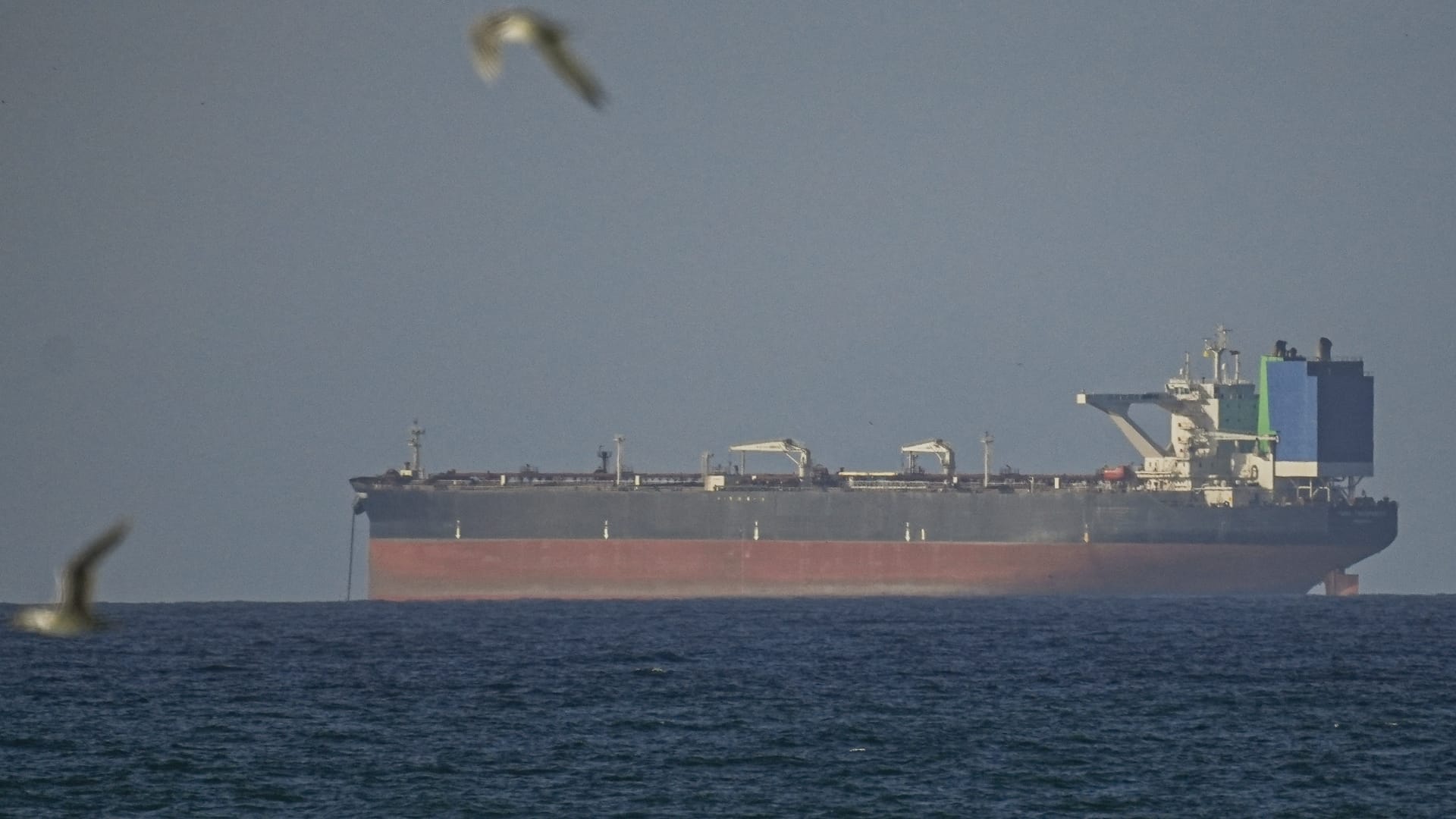
The Strait of Hormuz, a critical artery for global energy distribution, is currently experiencing a historic decline in maritime activity. Recent data reveals that tanker traffic through this vital chokepoint has dropped by 90% compared to late February levels. The reduction involves Very Large Crude Carriers (VLCCs), each capable of transporting 2 million barrels of oil, signaling a severe contraction in the flow of crude oil to international markets.
This sharp downturn in transit began following military actions involving the U.S. and Iran. Despite a ceasefire agreement reached on April 7, shipping companies remain hesitant to resume normal operations. The persistent lack of traffic reflects deep-seated industry apprehension regarding the security of the waterway, which historically accounts for approximately 20% of the world’s total crude oil supply.
The situation is further complicated by ongoing geopolitical friction. The U.S. Navy has reportedly implemented a blockade on vessels entering or exiting Iranian ports, while Iran continues to assert its own authority over the sea lane. This standoff has created a climate of extreme uncertainty, leaving the international community concerned about the long-term stability of energy supplies and the potential for sustained price volatility in the global economy.
Key Takeaways
- Tanker traffic through the Strait of Hormuz has plummeted by 90% following recent regional military tensions.
- The waterway is a critical global chokepoint, historically responsible for transporting 20% of the world's crude oil supply.
- Despite a formal ceasefire, shipping companies are avoiding the region due to ongoing naval blockades and geopolitical instability.
Editor’s Analysis & Impact
The sustained reduction in traffic through the Strait of Hormuz represents a significant systemic risk to the global energy market. Because this region serves as a primary conduit for Middle Eastern oil exports, any prolonged disruption forces a reliance on strategic reserves and alternative, often more expensive, supply routes. The current standoff between the U.S. and Iran creates a ‘wait-and-see’ environment for global shipping firms, which are prioritizing vessel safety over operational efficiency. If this bottleneck persists, the resulting supply shock will likely lead to sustained inflationary pressure on energy prices, potentially hindering economic recovery in import-dependent nations. The situation underscores the fragility of global energy infrastructure when faced with localized geopolitical conflicts, necessitating a broader discussion on energy diversification and maritime security protocols.
Frequently Asked Questions
Q: Why is the Strait of Hormuz so important to the global economy?
A: The Strait of Hormuz is a narrow waterway that serves as the primary transit route for approximately 20% of the world's crude oil, making it essential for global energy security.
Q: Has the recent ceasefire restored normal shipping activity?
A: No. Despite the ceasefire established on April 7, tanker traffic remains at historic lows due to lingering security concerns and ongoing naval blockades.
AI Disclosure: This article is based on verified data and official reports. Our Team and AI have cross-referenced every financial detail with primary sources to ensure total accuracy.
More from this Category