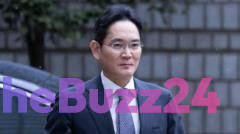
Samsung’s New Era: Lee Jae-yong Ends Dynasty Succession Plans Following Legal Victory
Samsung, the bedrock of the South Korean economy, is undergoing a historic transformation as it moves away from its long-standing tradition of hereditary leadership. For decades, the conglomerate has been defined by the Lee family’s intricate power structures, characterized by complex cross-shareholdings designed to maintain dynastic control. However, this model has frequently placed the company at the center of intense legal scrutiny and political controversy.
The most significant challenge to this structure occurred in 2017, when Lee Jae-yong, the grandson of Samsung’s founder, was imprisoned amid a massive corruption scandal. The legal battle centered on allegations of bribery and political influence intended to secure a merger between Samsung C&T and Cheil Industries—a move deemed essential for consolidating Lee’s control over Samsung Electronics. The ensuing years were marked by social unrest and a grueling legal fight that tested the stability of the entire organization.
Beyond the courtroom, the family has navigated internal power struggles and the immense financial burden of inheritance taxes, which have exceeded $10 billion. These pressures forced a re-evaluation of how the global tech giant operates and how it prepares for future leadership transitions. The decade of uncertainty finally concluded in July 2025, when Lee Jae-yong was acquitted of all fraud charges related to the controversial merger.
Following this legal vindication, Lee has announced a radical shift in corporate philosophy. By pledging that he will not pass managerial rights to his children, Lee is effectively dismantling the traditional ‘chaebol’ model of automatic family succession. This decision signals a new chapter for Samsung, as the company pivots toward a more modern, professionalized management structure that prioritizes merit and global competitiveness over dynastic lineage.
Key Takeaways
- Lee Jae-yong was acquitted of fraud charges in July 2025, ending a decade of legal turmoil for Samsung.
- The company is officially abandoning its traditional hereditary succession model, with Lee pledging not to pass leadership to his children.
- The shift marks a transition away from the 'chaebol' system, potentially opening the door for professional, non-family management at the tech giant.
Editor’s Analysis & Impact
The decision by Lee Jae-yong to end hereditary succession at Samsung is a watershed moment for the South Korean economy. For decades, the ‘chaebol’ system—characterized by family-controlled conglomerates—has been both a driver of rapid industrialization and a source of systemic corruption. By publicly committing to end dynastic control, Samsung is signaling to global investors that it is prioritizing corporate governance and transparency over family legacy. This move is likely to reduce the ‘Korea discount’ often applied to local stocks due to opaque governance. However, the transition will be complex; the company must now establish a robust framework for professional leadership succession to maintain its competitive edge in the volatile semiconductor and consumer electronics markets. The long-term implication is a more resilient, market-driven Samsung that is better aligned with international corporate standards.
Frequently Asked Questions
Q: Why was Lee Jae-yong involved in a decade-long legal battle?
A: Lee was embroiled in legal proceedings regarding a 2015 merger between Samsung C&T and Cheil Industries, which prosecutors alleged was manipulated to solidify his control over the company through bribery and political influence.
Q: What does the end of hereditary succession mean for Samsung?
A: It means the company is moving away from the traditional model where leadership is automatically passed down through the family, instead opening the path for professional managers to lead the organization based on merit.
AI Disclosure: This article is based on verified data and official reports. Our Team and AI have cross-referenced every financial detail with primary sources to ensure total accuracy.
More from this Category