Abercrombie & Fitch Steps Up Growth Strategy with Third-Party Shoe Brands
Abercrombie & Fitch is embarking on a significant strategic shift, expanding its product offerings to include footwear from external brands such as Hunter, Sperry, Puma, Frye, and GH Bass. This move comes as the apparel retailer seeks to reignite growth following a period of impressive sales increases that have recently begun to moderate.
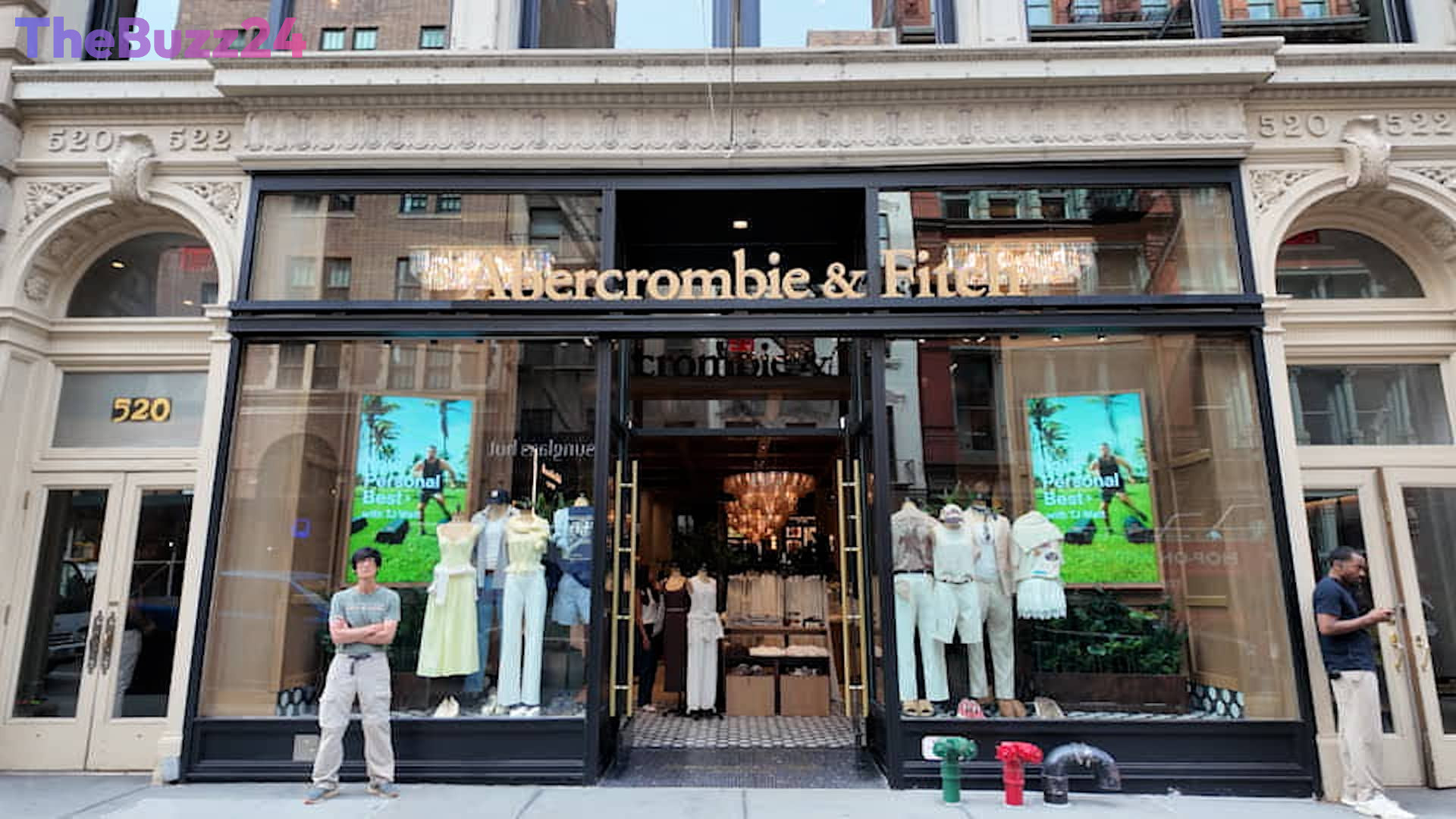
The company is currently testing this new approach at its recently opened 10,000-square-foot flagship store in New York City, where customers can find a curated selection of these third-party shoe brands alongside Abercrombie’s own apparel. While Sperry and Puma are already available online, the broader integration of multiple external footwear labels is a novel step for the 134-year-old company, which has historically focused on its proprietary merchandise.
Melissa Worth, Abercrombie’s managing director for the Americas, highlighted the dual purpose of this expansion: attracting new customers and deepening engagement with existing ones. “Our high-value customers, how do we make sure that we’re outfitting them across all of their needs?” Worth stated, explaining the strategy aims to position Abercrombie as a comprehensive destination for fashion needs. The goal is for shoppers seeking specific brands like Puma or Frye to discover Abercrombie’s own clothing, thereby increasing basket size and fostering brand loyalty.
Industry analysts view this strategy as a calculated effort to maintain relevance and capture a larger share of consumer spending. While third-party brands may not constitute a massive portion of overall sales, they are seen as crucial for customer acquisition and driving incremental revenue. This approach mirrors strategies employed by competitors like Aritzia, which has successfully integrated external footwear brands into its retail model. The success of this initiative at the New York City location could pave the way for wider implementation across more stores and online platforms.
Key Takeaways
- Abercrombie & Fitch is now selling third-party shoe brands like Hunter, Sperry, and Puma to drive growth.
- The strategy aims to attract new customers and increase spending from existing shoppers by offering a wider selection.
- This move is being tested in a new NYC store and could be expanded if successful, mirroring competitor strategies.
Editor’s Analysis & Impact
Abercrombie & Fitch’s decision to incorporate third-party shoe brands signifies a strategic pivot in its long-term growth plan. After a remarkable turnaround and substantial sales growth, the moderation in expansion necessitates innovative approaches. By diversifying its footwear selection, Abercrombie aims to enhance customer acquisition and retention, positioning itself as a more comprehensive fashion destination. This strategy, reminiscent of successful tactics by rivals like Aritzia, could prove vital in a competitive retail landscape. The success of this initiative, particularly in its flagship New York City store, will be a key indicator for future scaling, potentially revitalizing sales momentum and reinforcing brand relevance.
Frequently Asked Questions
Q: Why is Abercrombie & Fitch selling third-party shoe brands?
A: Abercrombie & Fitch is selling third-party shoe brands to drive further growth, attract new customers, and encourage existing customers to spend more by offering a wider variety of products and positioning itself as a comprehensive fashion destination.
Q: Which third-party shoe brands are currently available?
A: Currently, Abercrombie & Fitch is offering shoes from brands including Hunter, Sperry, Puma, Frye, and GH Bass, with a curated selection available online and a broader range tested in their new New York City store.
Q: Is this a permanent change for Abercrombie & Fitch?
A: The company is testing this strategy, particularly at its new New York City location. If the initiative performs well, Abercrombie plans to expand the offering to more stores and online, suggesting it could become a permanent part of their business model.
AI Disclosure: This article is based on verified data and official reports. Our Team and AI have cross-referenced every financial detail with primary sources to ensure total accuracy.
More from this Category