AI Computing Power Goes Wall Street: CME Group to Launch First-Ever GPU Futures Contracts
In a groundbreaking move that bridges the gap between high-tech infrastructure and global financial markets, CME Group is set to introduce the first-ever futures contracts tied to artificial intelligence computing power. Partnering with Silicon Data, the exchange plans to launch two compute futures contracts on October 5, subject to regulatory approval. This initiative officially elevates AI processing capacity into a tradable commodity, akin to traditional resources like crude oil, natural gas, and electricity.
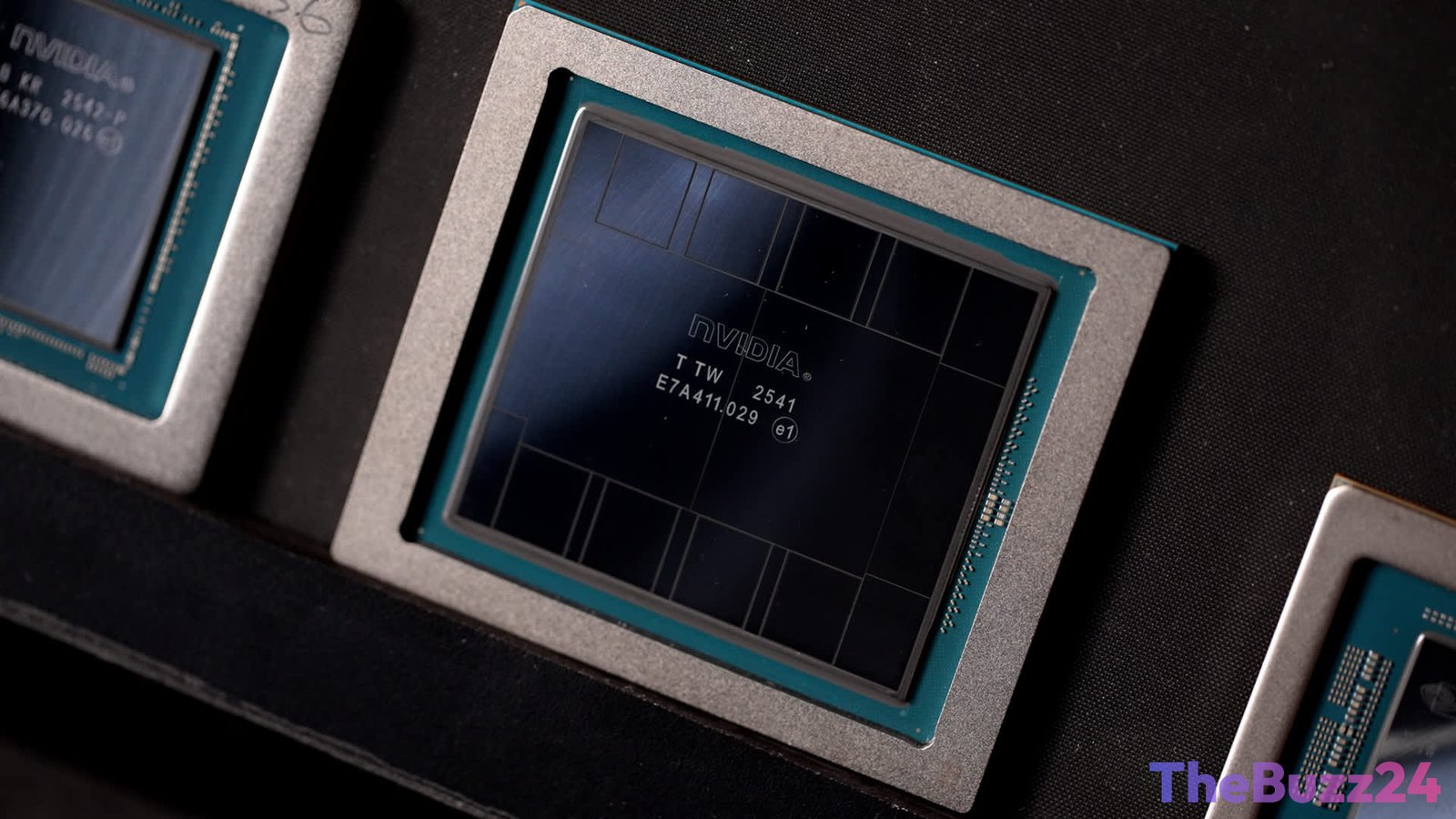
The new financial instruments will track the rental costs of Nvidia’s highly sought-after H100 and next-generation Blackwell B200 graphics processing units (GPUs). These contracts will be settled based on proprietary indexes developed by Silicon Data, which monitor hourly GPU rental rates across the industry. Each individual contract will represent the equivalent of one month’s rental cost for an Nvidia H100 chip, providing a standardized unit of value for market participants.
Historically, the market for AI computing power has been highly fragmented, with companies negotiating disparate rates for identical GPU access. Silicon Data Chief Executive Carmen Li highlighted that this launch provides a much-needed public, tradable reference price, offering transparency to a previously opaque market. By establishing a clear benchmark, both AI developers looking to secure computing power and data center operators seeking to lock in future revenues can effectively hedge their financial risks.
This development arrives amid a massive wave of capital flowing into artificial intelligence infrastructure. With major financial institutions and chipmakers like Nvidia exploring initiatives to channel up to $500 billion into data centers and hardware, compute futures offer a sophisticated new tool for Wall Street. Instead of buying equity in tech firms or investing directly in physical real estate, investors can now gain direct exposure to the fluctuating price of the computational power driving the AI revolution.
Key Takeaways
- CME Group and Silicon Data are launching the first-ever AI compute futures contracts on October 5, pending regulatory approval.
- The contracts will track the rental costs of Nvidia H100 and Blackwell B200 GPUs, establishing a standardized benchmark for AI processing power.
- This financial innovation allows AI developers to hedge computing costs and gives investors direct exposure to the price of computational capacity.
Editor’s Analysis & Impact
The commoditization of AI computing power marks a pivotal moment in the maturation of the technology sector. By transforming GPU capacity into a tradable asset class, CME Group is addressing a critical pain point for the AI industry: price volatility and lack of market transparency. As demand for high-performance computing continues to skyrocket, data centers and AI startups have struggled with unpredictable operational costs. The introduction of compute futures provides these entities with essential risk-management tools, allowing them to hedge against price spikes. Furthermore, this move opens up a novel avenue for institutional investors to speculate on the AI boom without taking on the direct equity risks of individual tech companies. In the long term, this could stabilize the supply chain of computational power and accelerate the deployment of next-generation AI models by lowering financial barriers to entry.
Frequently Asked Questions
Q: What are AI compute futures?
A: AI compute futures are financial contracts that allow investors and companies to trade and hedge the price of artificial intelligence computing capacity, specifically tracking the rental costs of high-end GPUs.
Q: Which graphics processing units (GPUs) will these contracts track?
A: The contracts will track the rental prices of Nvidia's H100 and newer Blackwell B200 GPUs, based on hourly rental indexes compiled by Silicon Data.
Q: Who benefits from trading AI compute futures?
A: AI developers can use them to lock in computing costs, data center operators can hedge their future revenues, and financial investors can gain direct exposure to the market value of AI processing power.
AI Disclosure: This article is based on verified data and official reports. Our Team and AI have cross-referenced every financial detail with primary sources to ensure total accuracy.
More from this Category