Oscars Draw Line in the Sand Against Generative AI
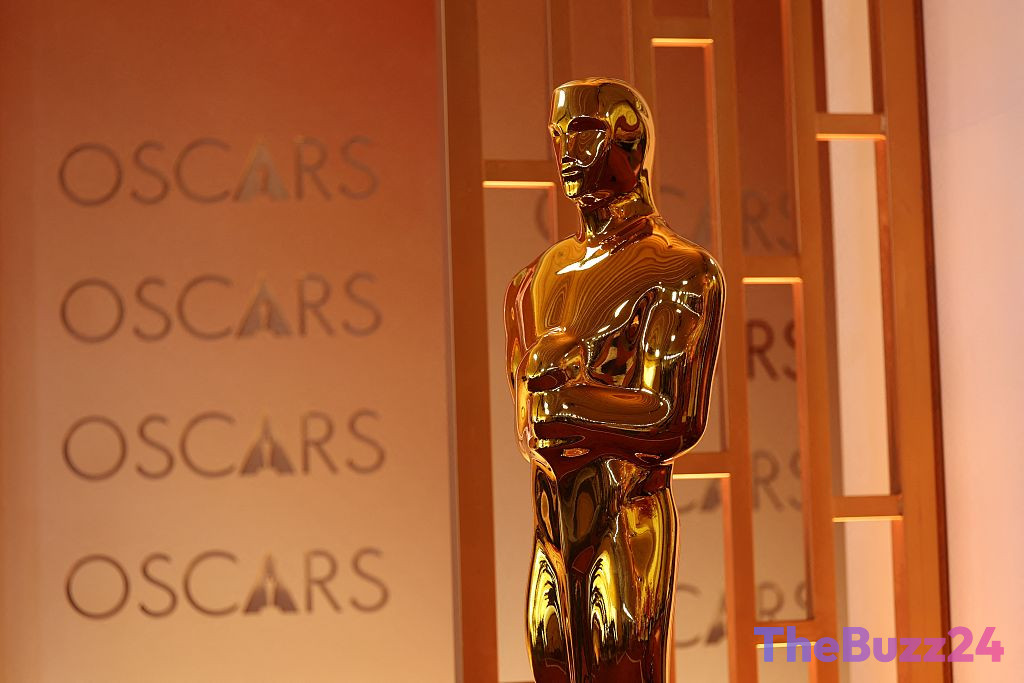
The Academy of Motion Picture Arts and Sciences has implemented strict new eligibility criteria to address the rise of generative artificial intelligence in filmmaking. These updated regulations mandate that any performance submitted for Academy Award consideration must be the product of human effort and carry proper legal billing. Consequently, any work that is generated or substantially modified by AI will be barred from competition.
The scope of these rules extends to writing, with a clear requirement that all screenplays must be authored by humans to qualify for recognition. To enforce these standards, the Academy has granted itself the power to audit submissions. Filmmakers may be required to submit detailed documentation proving the extent of human involvement in their creative workflows, ensuring that the core of the storytelling remains authentic.
This regulatory move comes at a critical juncture for the film industry, following significant labor unrest centered on the integration of automated tools in Hollywood. By formalizing these boundaries, the Academy is taking a definitive stand to protect the value of human craftsmanship. This policy aims to ensure that the industry’s most prestigious honors continue to celebrate the unique capabilities of human artists rather than algorithmic outputs.
Key Takeaways
- AI-generated performances and screenplays are now ineligible for Academy Awards.
- The Academy will implement an auditing process to verify the human origins of creative submissions.
- The new rules aim to safeguard human artistry following recent Hollywood labor disputes.
Editor’s Analysis & Impact
The Academy’s decision to codify restrictions on generative AI marks a pivotal moment in the struggle to define the boundaries of creativity in the digital age. By establishing these rules, the institution is not just protecting individual roles but is setting a precedent for the entire entertainment industry. This move provides much-needed clarity for studios and creators, potentially establishing ‘human-made’ as a hallmark of prestige. However, the implementation of an auditing process will likely be a point of contention, as the line between AI-assisted tools and AI-generated content remains technologically fluid. Ultimately, this decision reinforces the human element as the premium standard in cinema, though it may spark further debates regarding the role of technology in the creative process.
Frequently Asked Questions
Q: Does this mean AI cannot be used in film production at all?
A: No, the rules specifically target performances and screenplays to ensure they are human-authored, rather than banning all technological assistance.
Q: How will the Academy verify if a screenplay was written by AI?
A: The Academy has the authority to audit submissions and may require filmmakers to provide documentation regarding their creative process.
AI Disclosure: This article is based on verified data and official reports. Our Team and AI have cross-referenced every financial detail with primary sources to ensure total accuracy.
More from this Category