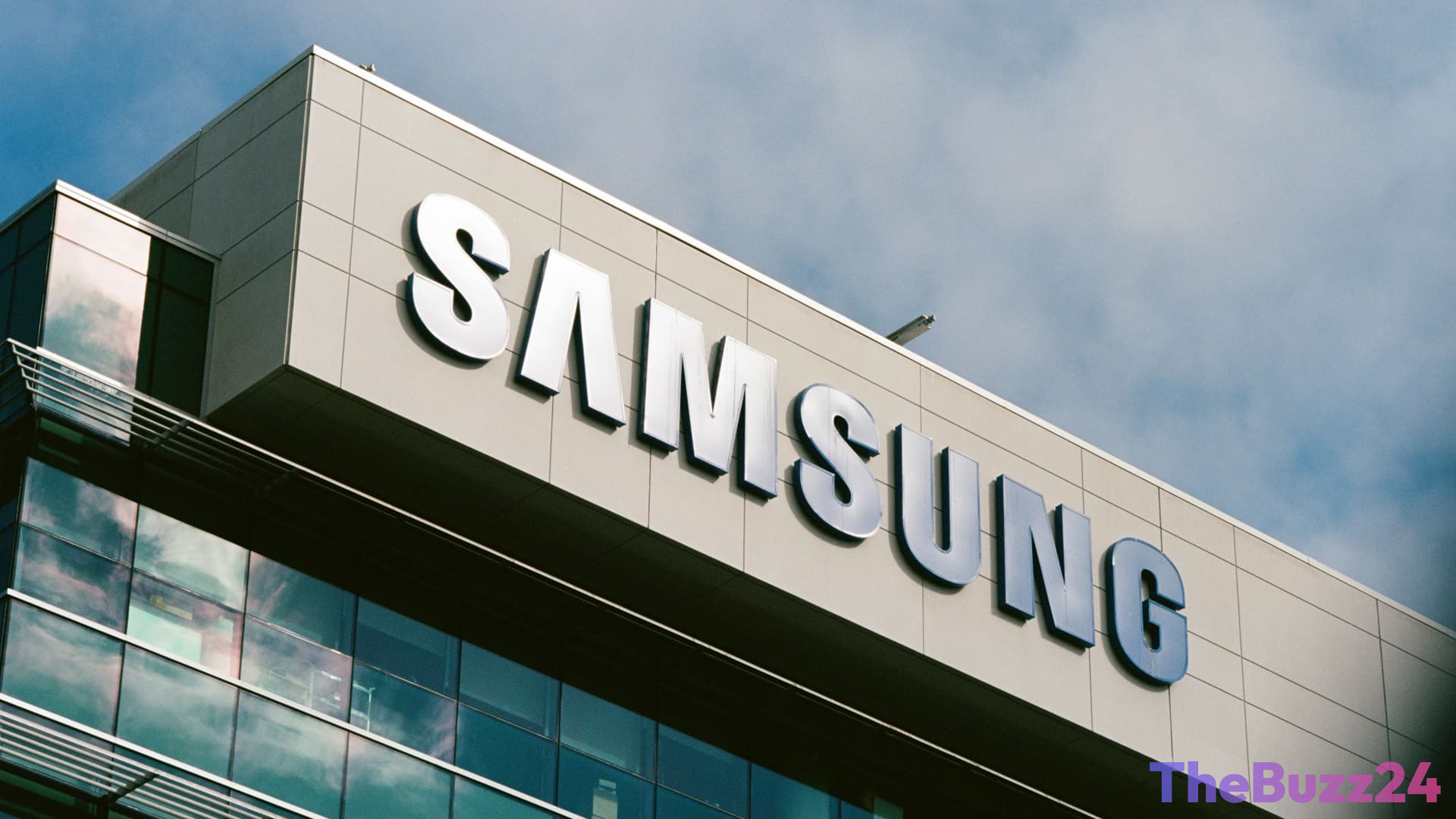
AI Hype Faces Reality Check as Samsung Earnings Trigger Global Semiconductor Sell-Off
The global semiconductor sector experienced a sharp downturn on Tuesday as investors reacted to Samsung Electronics’ latest financial results. Despite reporting a massive projected 1,800% surge in operating profit—outperforming tech giants like Apple and Nvidia—the South Korean conglomerate failed to satisfy Wall Street’s exceptionally high expectations for artificial intelligence demand. This mismatch triggered an 8% drop in Samsung’s stock, underscoring a growing trend where even stellar earnings reports are insufficient to sustain the intense momentum of the AI market.
The sell-off quickly rippled through global markets. South Korea’s Kospi index declined by 5%, while SK Hynix, which is preparing for a massive $28 billion Nasdaq listing, saw its shares slide by 6%. In the United States, major memory manufacturers and chipmakers felt the impact, with Sandisk and Micron Technology dropping 7% and 5% respectively. Other industry heavyweights, including Intel, Advanced Micro Devices (AMD), Marvell Technology, and Applied Materials, also posted significant losses, dragging the iShares Semiconductor ETF down by 5%.
This market correction comes after an extraordinary year for memory chip manufacturers, driven by a supply crunch and relentless AI-related demand that previously propelled Micron and Sandisk shares up by 229% and 581% respectively. However, analysts note growing anxiety among investors regarding whether AI infrastructure spending can continue to justify these skyrocketing component prices. Already, rising memory costs have forced consumer tech leaders like Apple and Microsoft to adjust retail pricing to offset manufacturing expenses.
Adding to the industry’s headwinds, reports emerged that Chinese artificial intelligence startup Deepseek is actively developing its own proprietary silicon. The move is aimed at bypassing stringent U.S. export restrictions and reducing the firm’s reliance on Nvidia’s dominant hardware. This development further fueled investor caution, highlighting shifting geopolitical dynamics and potential long-term competition in the global chip supply chain.
Key Takeaways
- Samsung's projected 1,800% profit jump failed to meet Wall Street's lofty AI expectations, triggering an 8% drop in its stock.
- The sell-off spread globally, impacting major U.S. chipmakers like Micron, Intel, and AMD, alongside South Korea's SK Hynix.
- Rising memory costs are squeezing consumer tech giants like Apple and Microsoft, while Chinese startup Deepseek's custom chip plans add geopolitical pressure.
Editor’s Analysis & Impact
The recent semiconductor sell-off exposes a critical vulnerability in the current market cycle: the gap between speculative AI hype and tangible commercial returns. For quarters, chipmakers enjoyed unprecedented valuation expansions driven by supply shortages and frantic infrastructure build-outs. However, as memory costs escalate, downstream giants like Apple and Microsoft are forced to pass these expenses to consumers, raising questions about the long-term sustainability of current AI capital expenditure. Furthermore, Deepseek’s initiative to design in-house chips to bypass U.S. sanctions signals a broader trend toward technological self-reliance in China. This shift could eventually dilute the market dominance of Western chip designers. Moving forward, investors will likely demand more than just high revenue; they will require proof of sustainable pricing power and diversified revenue streams to justify premium valuations.
Frequently Asked Questions
Q: Why did semiconductor stocks fall despite Samsung's strong earnings?
A: Although Samsung projected an 1,800% profit increase, the results did not meet the exceptionally high expectations investors have set for artificial intelligence demand, leading to profit-taking and a broader market correction.
Q: How are rising memory chip prices affecting consumer technology companies?
A: Skyrocketing memory costs have increased manufacturing expenses, forcing major companies like Apple and Microsoft to raise prices on everyday consumer products to protect their profit margins.
Q: What is the significance of Deepseek developing its own chips?
A: By designing its own silicon, the Chinese AI startup aims to circumvent U.S. export bans and reduce its dependence on Nvidia, highlighting a growing push for technological independence in the region.
AI Disclosure: This article is based on verified data and official reports. Our Team and AI have cross-referenced every financial detail with primary sources to ensure total accuracy.
More from this Category