AI Infrastructure Surge Hits Temporary Snag Over Supply Delays and Capex Forecast Adjustments
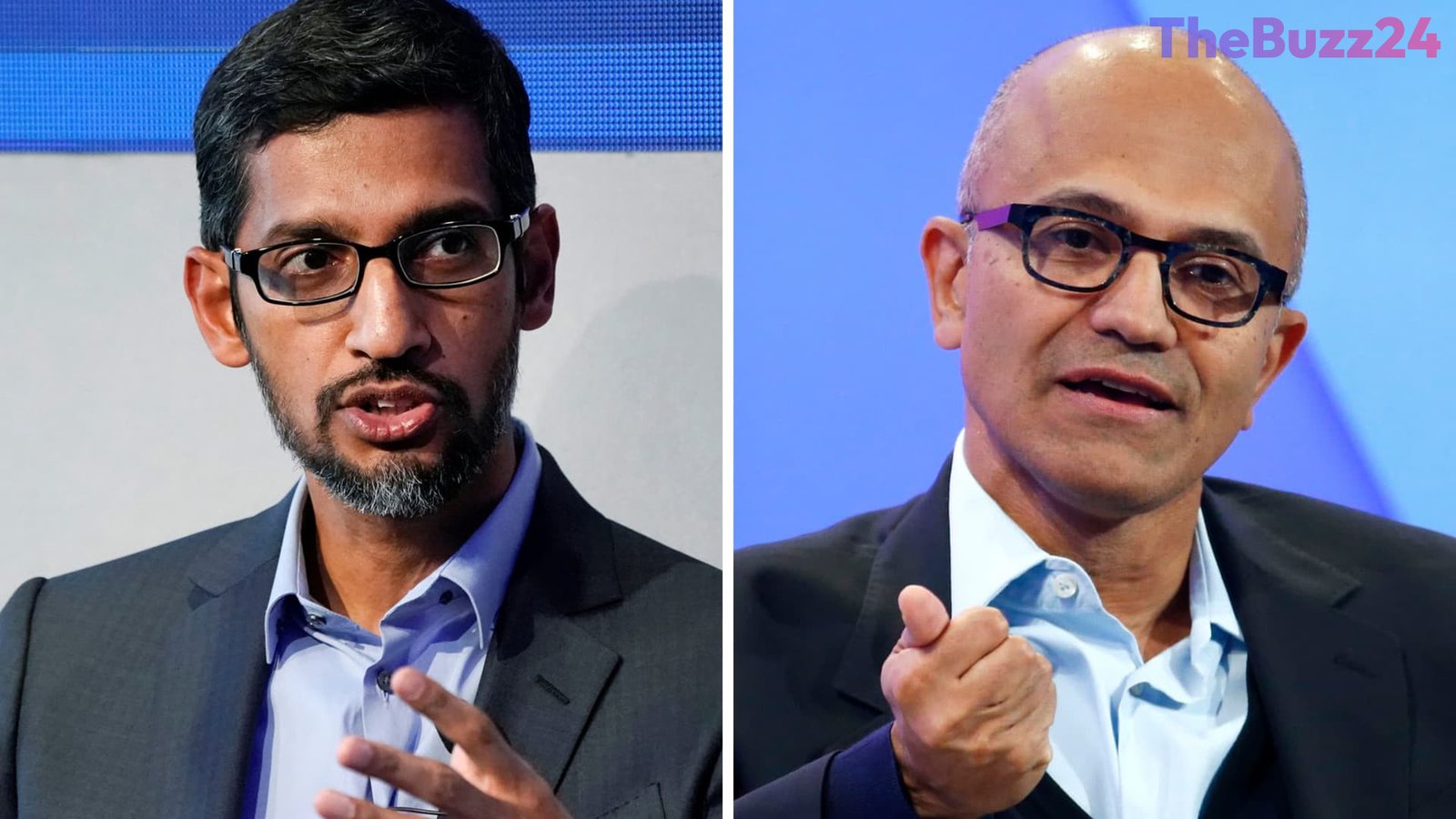
Tech heavyweights Microsoft and Alphabet have signaled a brief pause in the relentless acceleration of their artificial intelligence spending, revealing capital expenditure figures that fell short of market expectations. Supply chain bottlenecks and delivery delays from third-party graphics processing unit (GPU) vendors have temporarily pushed back anticipated infrastructure expansion into early 2027. Despite the slight downward adjustment in near-term projections, executives emphasize that underlying demand for advanced computing power remains unprecedented.
The minor capex reductions—with Microsoft trimming its annual forecast to $170 billion from $175 billion and Alphabet maintaining its target range—sent ripple effects across the sector. Specialized “neocloud” providers such as CoreWeave, Nebius, and IREN saw their stock values decline following the disclosures. These specialized cloud vendors, which supply substantial computing capacity to major AI developers like OpenAI and Anthropic, are facing heightened pressure as borrowing costs rise and credit markets tighten for non-investment-grade borrowers.
Market pressures were further highlighted by Alphabet’s third-quarter results, where shares tumbled roughly 10% following lower-than-expected free cash flow and revenue figures. Meanwhile, Meta and other hyperscalers continue to pour tens of billions into physical infrastructure, creating a stark contrast between massive capital demands and immediate cash generation. Industry projections suggest that up to 80% of smaller neocloud providers could be absorbed or forced out of business by 2030 due to heavy debt burdens and intense capital requirements.
Notwithstanding the short-term supply bumps, the multi-year trajectory for AI spending remains firmly upward. Hyperscaler capital expenditures across the industry are still on track to top $1 trillion next year. Strong enterprise adoption, demonstrated by robust sales growth in flagship cloud platforms like Microsoft Azure, underlines that the foundational appetite for AI computing capacity is far from reaching a ceiling.
Key Takeaways
- Microsoft and Alphabet reported lower-than-expected capex figures due to third-party GPU delivery delays.
- Rising interest rates and elevated debt loads are creating severe balance sheet pressures for niche 'neocloud' providers.
- Despite short-term bottlenecks, total industry spending on AI infrastructure is projected to exceed $1 trillion next year.
Editor’s Analysis & Impact
The temporary reduction in capital expenditure forecasts by tech giants highlights a critical bottleneck in the artificial intelligence supply chain rather than waning end-user demand. While enterprise appetite for generative AI capacity continues to outstrip supply, reliance on third-party GPU partners and specialized cloud providers has introduced operational friction. Specialized ‘neocloud’ companies are particularly vulnerable; operating without investment-grade credit ratings in a high-interest-rate environment leaves them exposed to severe balance sheet strain. Over the next three to five years, market consolidation appears inevitable, with smaller infrastructure players likely being acquired by larger tech platforms or exiting the market. Nevertheless, overall capital allocation toward AI remains historically high, cementing infrastructure expansion as a primary driver of broader tech industry growth.
Frequently Asked Questions
Q: Why did Microsoft and Alphabet report lower-than-expected capital expenditure figures?
A: Both companies experienced deployment delays from third-party chip suppliers, pushing back the arrival of new GPU computing capacity into the first half of 2027.
Q: What are 'neocloud' providers and why are their stocks falling?
A: Neoclouds are specialized cloud infrastructure companies that lease high-performance AI chips. Their stock prices dropped due to fears over high debt loads, rising capital costs, and vendor delays from key partners.
Q: Does this report indicate a permanent slowdown in AI investment?
A: No. Industry analysts expect capital expenditure across major tech companies to cross $1 trillion next year, indicating that the long-term expansion of AI infrastructure remains on track.
AI Disclosure: This article is based on verified data and official reports. Our Team and AI have cross-referenced every financial detail with primary sources to ensure total accuracy.
More from this Category