AI Security Startup AIR Emerges From Stealth With $50 Million to Secure Autonomous Agents
As organizations increasingly integrate autonomous artificial intelligence agents into their core systems, a complex software supply chain involving plug-ins, skills, and Model Context Protocol (MCP) servers has rapidly emerged. Addressing the pressing security challenges associated with this digital evolution, cybersecurity startup AIR has officially launched, announcing a combined $50 million in seed funding across two separate rounds.
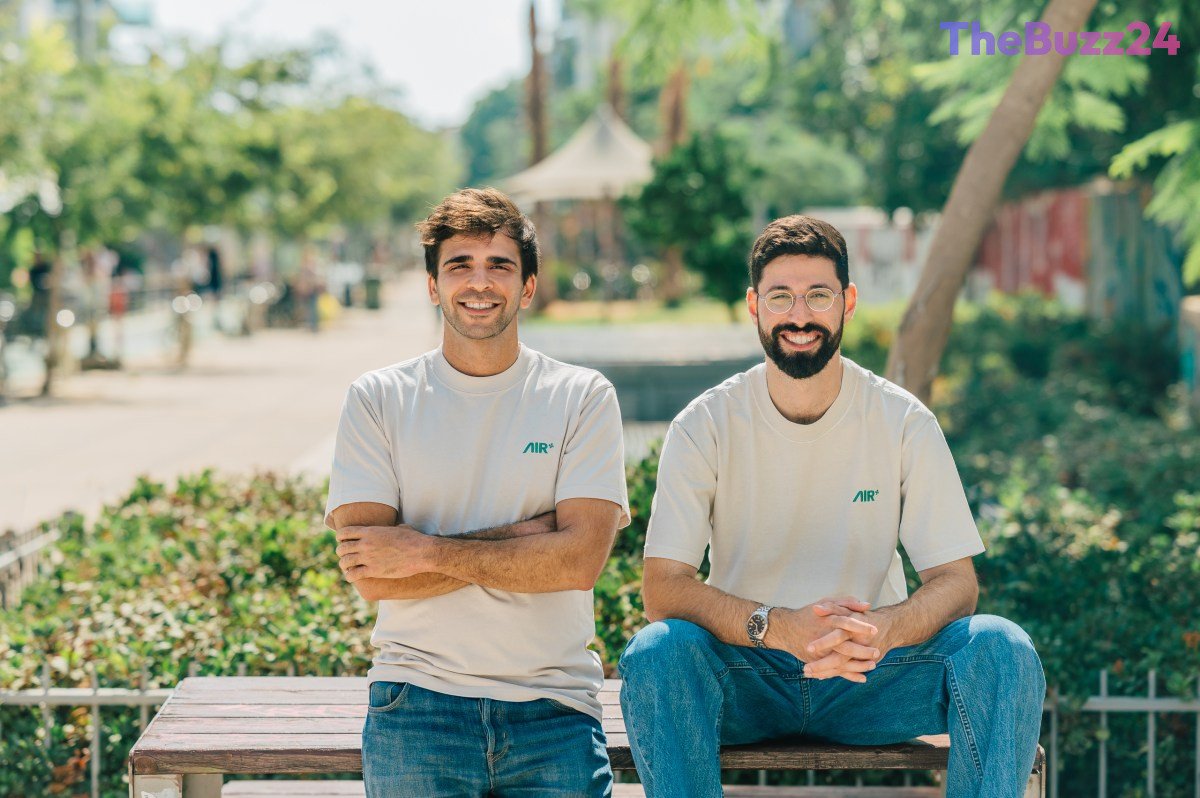
Co-founded by CEO Yair Saban and CTO Niv Hoffman—both alumni of Israel’s Unit 8200 intelligence corps—the company provides a comprehensive platform designed to discover active AI agents, continuously vet their external tools, and block unauthorized software interactions. The initial $10 million seed round was led by Sequoia, followed by a $40 million round led by Greenoaks, with additional participation from prominent angel investors and industry leaders.
The startup draws parallels between the current unvetted state of AI add-ons and the early days of personal computing drivers, warning that malicious actors could exploit these gaps to manipulate enterprise data. AIR’s platform tackles this vulnerability by identifying shadow AI usage across corporate networks, enforcing real-time action interceptions, and maintaining an actively curated whitelist of secure plug-ins, which currently filters out roughly 27% of examined external tools.
Operating with a team of around 40 employees, AIR already boasts over two dozen customers, with particularly strong traction among heavily regulated sectors like finance and pharmaceuticals. The newly secured capital will be channeled toward scaling U.S. and European market operations, as well as expanding specialized research teams to outpace a competitive and fast-growing enterprise security landscape.
Key Takeaways
- AIR secured $50 million across two seed rounds led by Sequoia and Greenoaks to launch its AI security platform.
- The startup focuses on monitoring and vetting the emerging software supply chain of skills, plug-ins, and MCP servers used by autonomous AI agents.
- AIR's platform actively blocks roughly 27% of online add-ons that fail security checks, protecting enterprises from indirect data poisoning and unapproved AI usage.
Editor’s Analysis & Impact
The rapid deployment of autonomous AI agents within corporate infrastructure has created an unprecedented attack surface, shifting cybersecurity priorities from traditional endpoint protection to dynamic software supply chain management. AIR’s successful funding highlights a massive investor appetite for runtime governance tools capable of intercepting and continuously re-verifying the external components utilized by AI models. While tech giants and AI labs will inevitably roll out native safety measures, the demand for vendor-agnostic, independent security layers is poised to grow exponentially. As regulated industries like finance and healthcare accelerate their adoption of intelligent automation, startups that solve continuous re-verification rather than static code scanning will likely capture significant market share and define the next era of enterprise defense.
Frequently Asked Questions
Q: What does AIR do?
A: AIR provides a cybersecurity platform that discovers AI agents running within a company, vets the plug-ins and skills they use, and blocks unauthorized or malicious software interactions.
Q: Who funded AIR's seed rounds?
A: AIR's first $10 million seed round was led by Sequoia, while its subsequent $40 million round was led by Greenoaks, alongside contributions from various angel investors.
Q: Why is securing AI agent plug-ins important?
A: As AI agents gain autonomous access to enterprise databases and the internet, unvetted plug-ins and skills can become vectors for attackers to poison content or compromise internal corporate systems.
AI Disclosure: This article is based on verified data and official reports. Our Team and AI have cross-referenced every financial detail with primary sources to ensure total accuracy.
More from this Category