The Rising Cost of Air Travel: How to Bypass New Baggage Fee Hikes
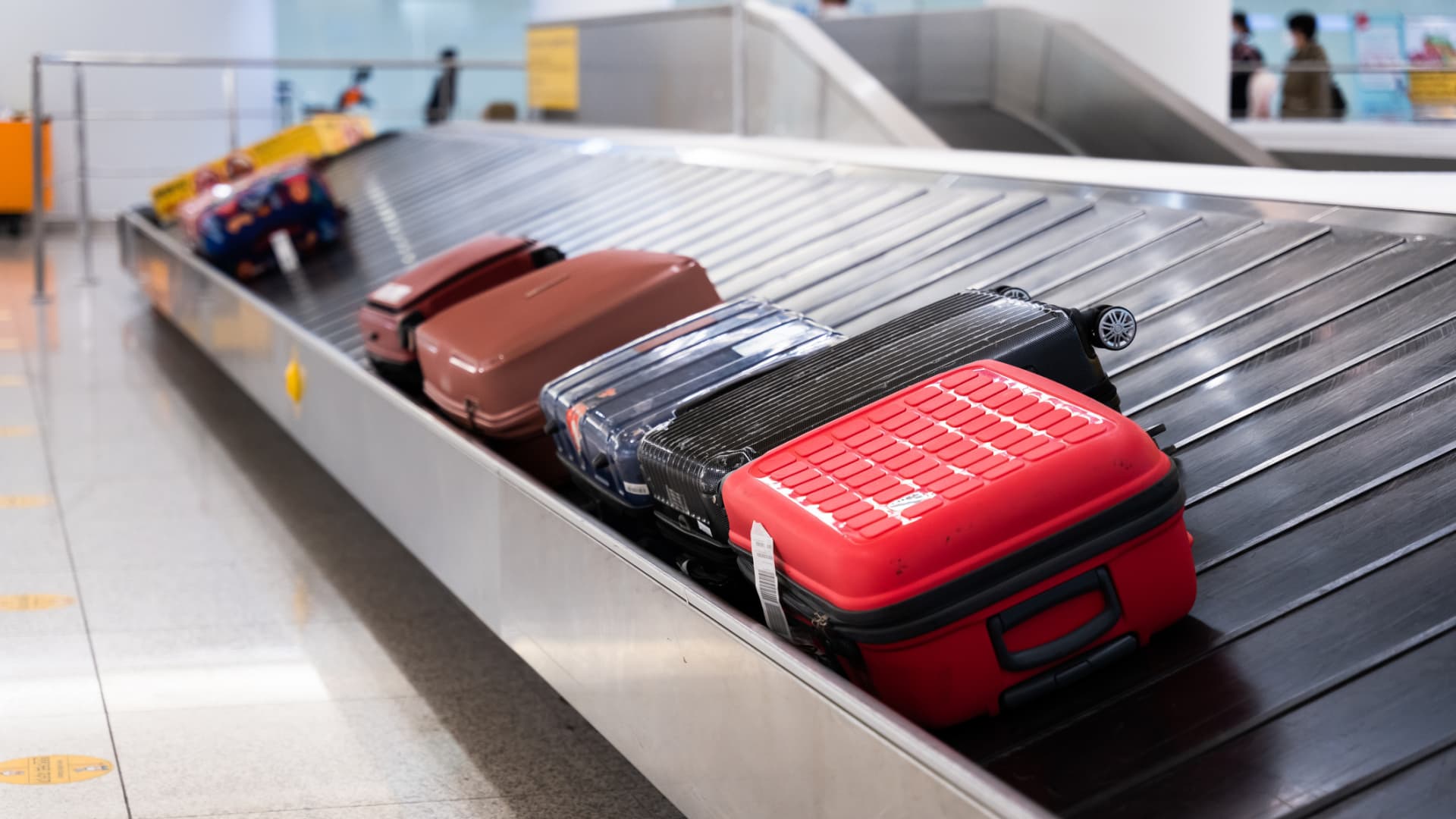
Travelers across the United States are facing a new wave of financial pressure as major airlines implement significant increases to checked baggage fees. Following a trend initiated by carriers such as JetBlue, industry giants including United, Delta, American, Southwest, Alaska, and Hawaiian Airlines have all adjusted their pricing structures. On many domestic routes, passengers now face an additional $10 charge per bag each way, a change that substantially inflates the total cost of a standard round-trip journey.
These adjustments are largely attributed to the industry’s attempt to offset rising operational expenses. However, the impact is felt acutely by both leisure and business travelers. Beyond simple base fee increases, airlines are increasingly utilizing tiered pricing models that impose higher costs on passengers who add luggage closer to their departure date. Furthermore, the introduction of stricter policies for budget-tier tickets has complicated the booking process, making it more difficult for cost-conscious travelers to avoid these surcharges.
Despite the broader trend of unbundling amenities, frequent travelers have found a reliable workaround: co-branded airline credit cards. Most major carriers offer proprietary credit cards that provide a complimentary checked bag benefit to the primary cardholder and, in many cases, their travel companions on the same reservation. By utilizing these cards for flight bookings, passengers can effectively circumvent the recent price hikes.
For those who fly even a few times per year, the annual fees associated with these credit cards are often quickly recouped through luggage savings alone. Beyond baggage waivers, these cards frequently offer additional perks such as priority boarding, annual bonus points, and discounts on in-flight services. As airlines continue to shift toward a model of charging for individual services, securing a co-branded card has become a primary strategy for maintaining a predictable and manageable travel budget.
Key Takeaways
- Major U.S. airlines have implemented a widespread increase in checked baggage fees, often adding $10 per bag each way.
- Airlines are increasingly using tiered pricing models that penalize last-minute luggage additions and restrictive budget-tier ticket policies.
- Co-branded airline credit cards remain the most effective tool for travelers to waive baggage fees and offset rising travel costs.
Editor’s Analysis & Impact
The recent surge in baggage fees represents a broader shift in the aviation industry toward ‘unbundling,’ where airlines isolate individual services to maximize ancillary revenue. This strategy allows carriers to keep base fares appearing competitive while recouping operational costs through mandatory add-ons. As airlines continue to face inflationary pressures, we expect this trend of fee-based revenue to persist, potentially expanding to other areas of the passenger experience. For the consumer, this necessitates a more sophisticated approach to travel planning. The reliance on co-branded credit cards as a mitigation tool highlights the growing symbiosis between the airline and financial services industries, where loyalty programs have become as critical to an airline’s bottom line as the actual transportation of passengers. Travelers should anticipate further complexity in fare structures as airlines refine these models to optimize profit margins.
Frequently Asked Questions
Q: Why are airlines increasing their baggage fees?
A: Airlines cite rising operational expenses as the primary driver for these fee hikes, using ancillary revenue from baggage to offset costs while maintaining competitive base ticket prices.
Q: How can I avoid paying these new baggage fees?
A: The most effective way to avoid these fees is by using a co-branded airline credit card, which typically includes a complimentary checked bag benefit for the cardholder and sometimes their travel companions.
AI Disclosure: This article is based on verified data and official reports. Our Team and AI have cross-referenced every financial detail with primary sources to ensure total accuracy.
More from this Category