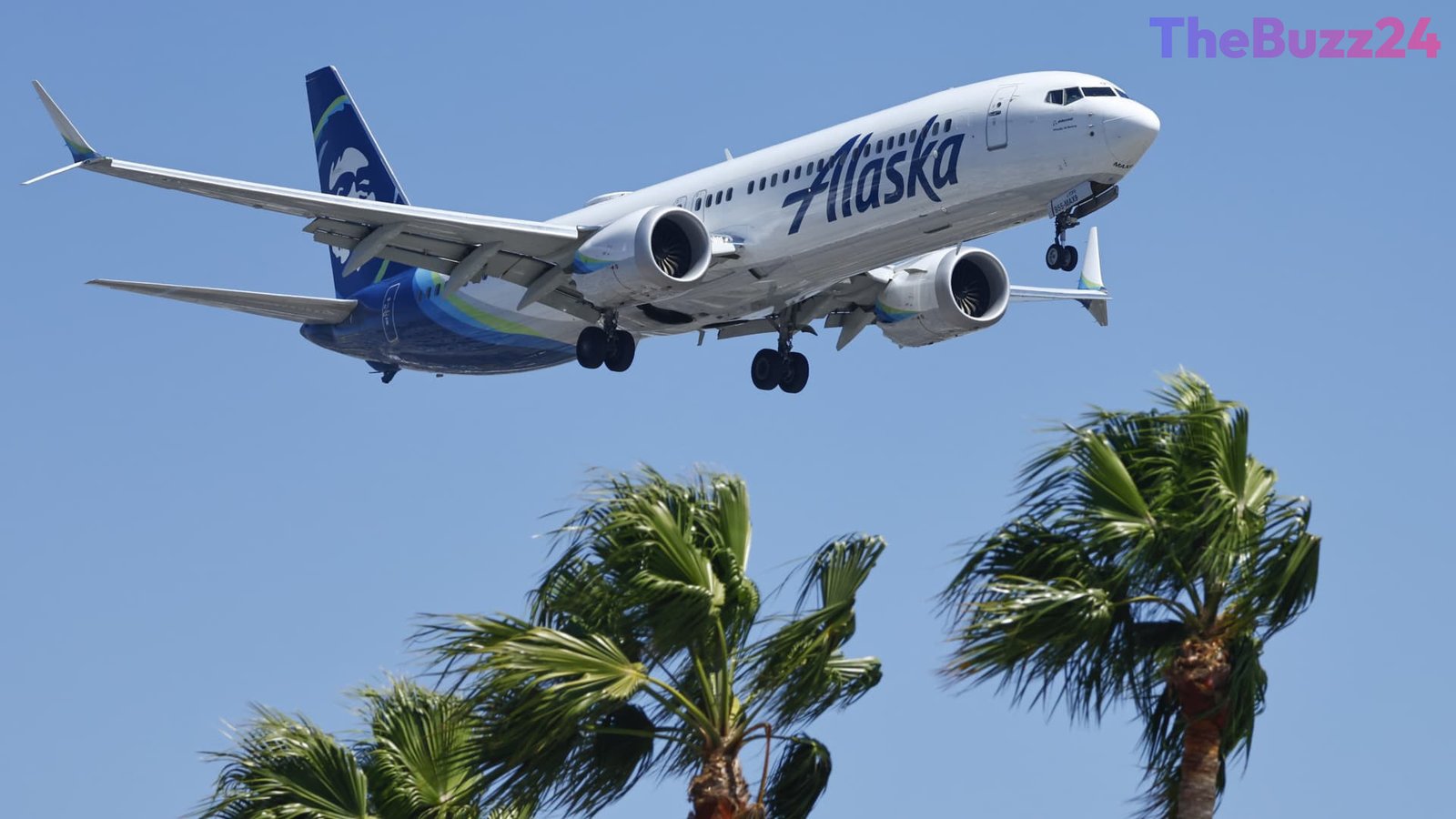
Alaska Airlines Downplays Impact of Latest Boeing 737 Max 10 Software Delay
Alaska Airlines has expressed confidence despite the latest setback for Boeing’s 737 Max 10 aircraft, which faces new delays due to a newly identified software glitch. Alaska Airlines Chief Executive Ben Minicucci stated he is not overly concerned about the certification pause, even as the Federal Aviation Administration (FAA) conducts a thorough assessment of the issue. The software anomaly, flagged during a recent update, affects the vertical navigation system and could cause pilots to lose automated navigation data during a missed approach or “go-around” maneuver.
The delay comes at a critical time for Alaska Airlines, which recently announced a major cabin modernization program. The airline plans to debut premium lie-flat suites on its Max 10 fleet, with passenger flights originally scheduled to begin in late 2028. While Minicucci acknowledged that a prolonged delay of several months could potentially push back the launch timeline, the carrier is actively collaborating with both Boeing and federal regulators to resolve the certification hurdles.
The 737 Max 10 is the largest and final variant of Boeing’s bestselling single-aisle jet family awaiting regulatory approval. Major carriers including United Airlines, Delta Air Lines, American Airlines, and European budget giant Ryanair have placed significant orders for the model. While Boeing leadership had previously anticipated imminent certification, this latest technical hurdle has temporarily dampened investor sentiment, causing a dip in the manufacturer’s stock price as regulators ensure the aircraft meets all safety standards before carrying passengers.
Key Takeaways
- Alaska Airlines CEO Ben Minicucci remains unconcerned about the latest certification delay for the Boeing 737 Max 10, despite potential timeline adjustments for its premium cabin launch.
- The delay stems from a software glitch in the vertical navigation system that could temporarily disrupt automated data during a go-around maneuver.
- Major global airlines, including United, Delta, American, and Ryanair, are waiting on the Max 10, which is the final variant of Boeing's popular narrowbody family to receive regulatory clearance.
Editor’s Analysis & Impact
The recurring delays facing Boeing’s 737 Max 10 highlight the intense regulatory scrutiny the manufacturer continues to navigate. While airline executives like Alaska’s Ben Minicucci are projecting calm, these persistent bottlenecks disrupt long-term fleet planning and cabin modernization strategies. For Boeing, resolving this software glitch quickly is paramount to restoring full market confidence and stabilizing its stock performance. However, the broader aviation industry remains highly sensitive to any safety-related setbacks. If the FAA’s review drags on for months, carriers may be forced to adjust their capacity forecasts and delay the rollout of premium products, potentially shifting the competitive landscape for transcontinental and mid-range routes.
Frequently Asked Questions
Q: What is causing the latest delay in the Boeing 737 Max 10 certification?
A: The delay is due to a software glitch identified in a recent update. The issue affects the vertical navigation system, potentially causing pilots to lose automated navigation information during a "go-around" (a missed landing approach).
Q: How does this delay affect Alaska Airlines' future plans?
A: Alaska Airlines plans to introduce premium lie-flat suites on the Max 10 starting in late 2028. While the CEO is not currently worried, a delay lasting several months could postpone the official launch of these upgraded cabins.
Q: Which other airlines are waiting for the Boeing 737 Max 10?
A: In addition to Alaska Airlines, major carriers such as United Airlines, Delta Air Lines, American Airlines, and Ryanair have placed significant orders for the Max 10.
AI Disclosure: This article is based on verified data and official reports. Our Team and AI have cross-referenced every financial detail with primary sources to ensure total accuracy.
More from this Category