Amazon-Backed Zoox Secures Federal Approval to Launch Paid Robotaxi Fleet
The landscape of autonomous transportation is shifting rapidly as federal regulators grant a crucial exemption to Zoox, clearing the path for the Amazon-owned enterprise to initiate commercial operations. This regulatory milestone permits the company to monetize its specialized, custom-designed robotaxis, moving past the testing phase into active public service.
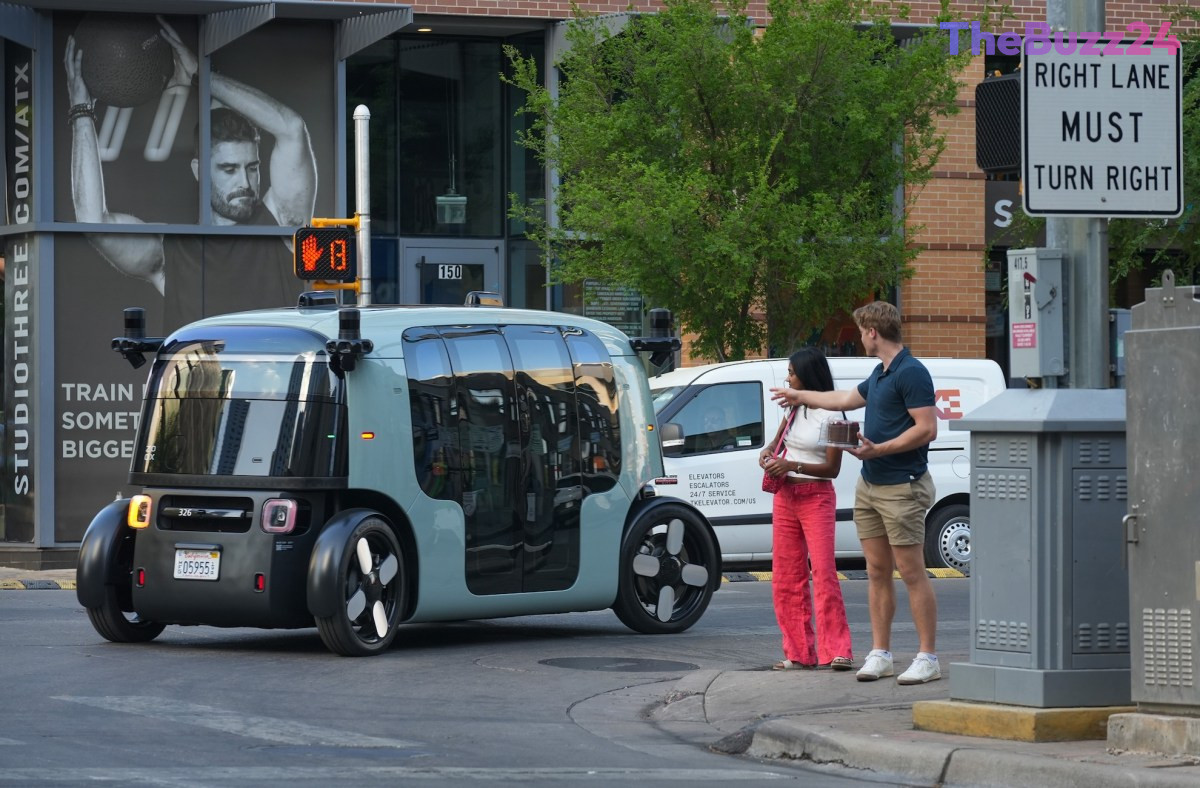
Unlike conventional automobiles retrofitted with self-driving sensors, the Zoox vehicle is engineered entirely from the ground up without traditional manual controls such as steering wheels and acceleration pedals. Because of this unique architecture, the National Highway Traffic Safety Administration granted waivers for several federal motor vehicle safety standards, including specifications traditionally governing windshield defrosting and braking mechanisms.
Operations will initially launch under strict regulatory parameters designed to ensure public safety while fostering technological innovation. The temporary exemption caps the commercial fleet at 2,500 vehicles annually for a duration of two years, during which federal regulators will maintain rigorous oversight. Leadership at Zoox views this development as a monumental leap forward for the autonomous mobility sector, positioning the firm to roll out its commercial ride-hailing services starting in Las Vegas.
While federal clearance represents a major victory, the enterprise must still navigate localized state-level regulations before expanding nationwide. Jurisdictions such as California maintain separate permitting processes that require specific deployment authorizations from state departments of motor vehicles and public utility commissions. As these regional approvals are finalized, the company plans to introduce its driverless commercial model to additional metropolitan areas.
Key Takeaways
- Zoox received a federal safety exemption allowing it to charge for rides in its custom-built robotaxis.
- The approved commercial fleet is capped at 2,500 vehicles annually for an initial two-year period under strict federal oversight.
- Commercial operations are set to kick off in Las Vegas, pending the completion of remaining state-level regulatory requirements.
Editor’s Analysis & Impact
The regulatory approval granted to Zoox marks a pivotal moment for the autonomous vehicle industry, transitioning purpose-built robotaxis from experimental phases to viable commercial enterprises. By securing a federal exemption for vehicles lacking conventional steering mechanisms and pedals, Zoox has established a regulatory precedent that other autonomous startups will likely follow. However, the requirement to secure separate state-level permits underscores the complex, fragmented nature of transportation regulation in the United States. In the broader market context, this development signals growing confidence from federal regulators in the safety and readiness of autonomous mobility. As Zoox initiates paid operations in Las Vegas and seeks expansion, consumer adoption and regulatory compliance in stricter markets like California will serve as critical litmus tests for the commercial viability of driverless ride-hailing services.
Frequently Asked Questions
Q: What makes Zoox robotaxis different from other autonomous vehicles?
A: Zoox vehicles are custom-built from the ground up without traditional human controls like steering wheels and pedals.
Q: Where will Zoox launch its first paid robotaxi service?
A: The company plans to launch its commercial paid service first in Las Vegas.
Q: Are there any limits on the Zoox commercial fleet under the federal exemption?
A: Yes, the exemption limits Zoox's commercial fleet to a maximum of 2,500 vehicles annually for a two-year period.
AI Disclosure: This article is based on verified data and official reports. Our Team and AI have cross-referenced every financial detail with primary sources to ensure total accuracy.
More from this Category