Amazon’s Zoox Shifts Into Commercial Gear With Paid Robotaxi Rides in Las Vegas
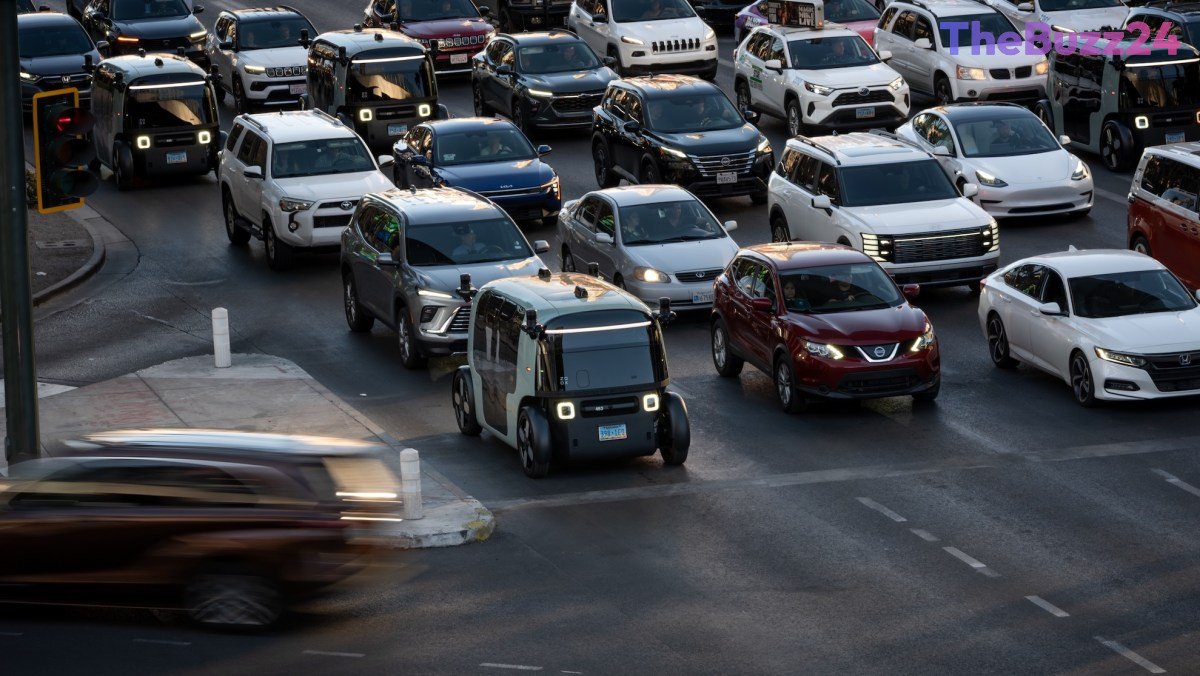
Zoox, the autonomous vehicle subsidiary backed by Amazon, is officially transitioning its Las Vegas robotaxi service from a complimentary offering to a fully commercial operation. Beginning August 10, passengers utilizing the unique, bidirectional electric pods will be charged for their journeys. This milestone represents a culmination of over a decade of engineering, regulatory navigation, and testing for the Silicon Valley-based firm, which was established in 2014 before being acquired by retail giant Amazon in 2020.
The path to commercialization required clearing significant regulatory hurdles. Most notably, federal safety regulators recently granted Zoox a vital two-year temporary exemption from specific federal motor vehicle safety standards. Because the custom-built robotaxis completely lack traditional human-centric controls like steering wheels and pedals, this special dispensation from the National Highway Traffic Safety Administration was mandatory to legally collect fares. The exemption covers up to 2,500 vehicles and frees the company from eight conventional standards, including certain braking and windshield defrosting requirements.
While Las Vegas is taking the lead as the first commercial market, Zoox continues to test its driverless fleet in other major metropolitan areas such as San Francisco and Austin. However, expansion into commercial operations in those regions will depend heavily on securing additional local and state permits, such as those still pending in California. Meanwhile, Las Vegas riders will experience a pricing model designed to closely mirror the comfort tiers of conventional ridesharing platforms, utilizing a combination of base rates, distance, and duration, along with potential surcharges for high-demand venues like the Sphere or local airports.
Key Takeaways
- Zoox will begin charging for robotaxi rides in Las Vegas starting August 10, marking its official commercial launch.
- The company secured a temporary exemption from the National Highway Traffic Safety Administration to operate vehicles without traditional steering wheels or pedals.
- Fares will be calculated based on base rates, time, and distance, with competitive pricing intended to rival traditional ride-hailing comfort tiers.
Editor’s Analysis & Impact
The commercial rollout of Zoox’s paid robotaxi service in Las Vegas marks a critical turning point not only for the Amazon subsidiary, but for the broader autonomous vehicle industry. Securing a federal safety exemption to operate steering-wheel-free vehicles commercially demonstrates that regulatory pathways for fully driverless fleets are slowly becoming viable, provided companies can meet strict safety milestones. This development intensifies competition in the urban autonomous mobility sector, pitting Zoox against established players like Alphabet’s Waymo. If Zoox can successfully scale its operations in Las Vegas and navigate the complex permitting landscapes in states like California, it could validate Amazon’s long-term bet on autonomous delivery and passenger transport, paving the way for broader nationwide deployment over the next several years.
Frequently Asked Questions
Q: When do Zoox robotaxis start charging passengers in Las Vegas?
A: Zoox begins charging for rides in Las Vegas starting August 10.
Q: Why did Zoox need a special federal exemption to charge for rides?
A: Because Zoox vehicles are custom-built without traditional steering wheels and pedals, they required a temporary exemption from certain federal motor vehicle safety standards issued by the NHTSA to legally collect passenger fares.
Q: How are Zoox robotaxi fares calculated?
A: Fares are calculated using a base fee combined with distance and time traveled from pick-up to drop-off, with potential additional destination fees for high-traffic areas like airports or the Sphere.
AI Disclosure: This article is based on verified data and official reports. Our Team and AI have cross-referenced every financial detail with primary sources to ensure total accuracy.
More from this Category