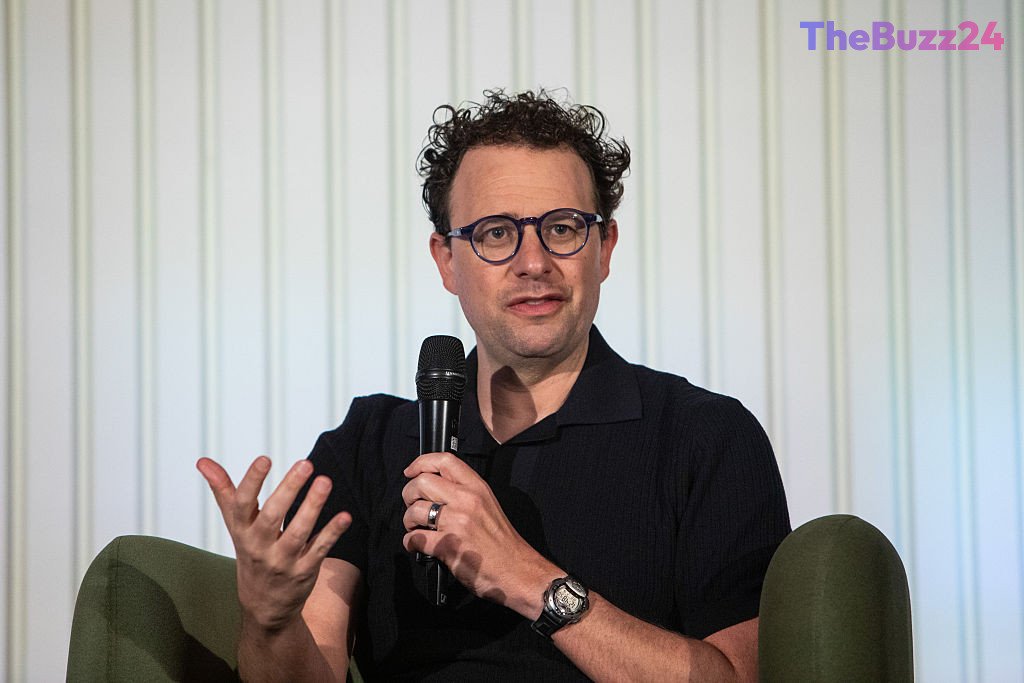
Anthropic CEO Dario Amodei Addresses Growing Public Distrust in Artificial Intelligence
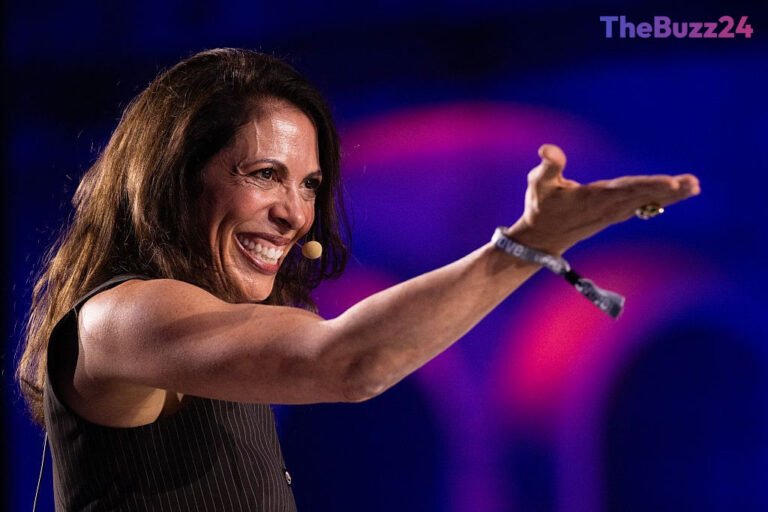
Anthropic CEO Dario Amodei is pushing back against claims that his public warnings regarding the risks of artificial intelligence have fueled a negative backlash against the industry. The debate was sparked by investor Gavin Baker, who suggested that Amodei’s focus on potential dangers has inadvertently encouraged government crackdowns and public skepticism toward AI development. Baker argued that as a leader of a major tech firm, Amodei should adopt a more optimistic tone to better advocate for the industry’s future.
In response, Amodei defended his communication strategy, asserting that his messaging has maintained a balance between highlighting technological risks and promoting the transformative benefits of AI. He emphasized that his recent writings were intended to provide an inspiring vision for how the technology could improve the world, rather than to spread pessimism. Amodei argued that the current public negativity toward AI is not a result of executive warnings, but rather a deep-seated, long-standing crisis of trust that ordinary citizens feel toward governments and large corporations.
Amodei acknowledged that the industry has yet to fully deliver on its grand promises, noting that the most valid criticism of AI companies is their failure to produce tangible, life-changing results—such as curing diseases—rather than their marketing or messaging styles. He suggested that the industry must move beyond clichés and focus on delivering concrete benefits to earn public confidence.
Regarding the contentious issue of regulation, Amodei rejected the notion that oversight inevitably leads to the concentration of power among a few dominant firms. He argued that well-crafted policies can simultaneously mitigate security risks, constrain the influence of frontier AI companies, and provide a framework that allows smaller competitors and open-weights models to thrive. According to Amodei, the goal of responsible regulation is to create a balanced environment that protects the public while fostering innovation.
Key Takeaways
- Dario Amodei attributes the current AI backlash to a broader, historical crisis of trust in institutions rather than his own warnings about AI risks.
- The Anthropic CEO argues that the industry must shift from making grand promises to delivering tangible, real-world results to win over public opinion.
- Amodei advocates for 'rules of the road' that aim to constrain the power of large AI firms while supporting smaller competitors and open-weights models.
Editor’s Analysis & Impact
The discourse between Dario Amodei and industry investors highlights a critical inflection point for the AI sector. As the technology moves from experimental phases to widespread integration, the ‘trust gap’ has become a primary barrier to adoption. Amodei’s pivot toward emphasizing tangible outcomes—such as medical breakthroughs—suggests a strategic shift in how AI leaders are attempting to manage public perception. By framing regulation as a tool for decentralization rather than a barrier to entry, Amodei is attempting to navigate the complex political landscape of Silicon Valley. The industry’s future success likely depends on its ability to reconcile the need for safety guardrails with the demand for open innovation, all while proving that AI can provide measurable utility to the average consumer beyond the current hype cycle.
Frequently Asked Questions
Q: Why does Dario Amodei believe the public is skeptical of AI?
A: Amodei believes the skepticism is part of a broader, long-standing crisis of trust that ordinary people have toward governments, large corporations, and the tech industry as a whole.
Q: What is Amodei's stance on AI regulation?
A: He argues that regulation does not necessarily lead to the concentration of power. Instead, he believes that carefully designed policies can mitigate risks while simultaneously constraining the power of large frontier AI companies and supporting smaller competitors.
AI Disclosure: This article is based on verified data and official reports. Our Team and AI have cross-referenced every financial detail with primary sources to ensure total accuracy.
More from this Category