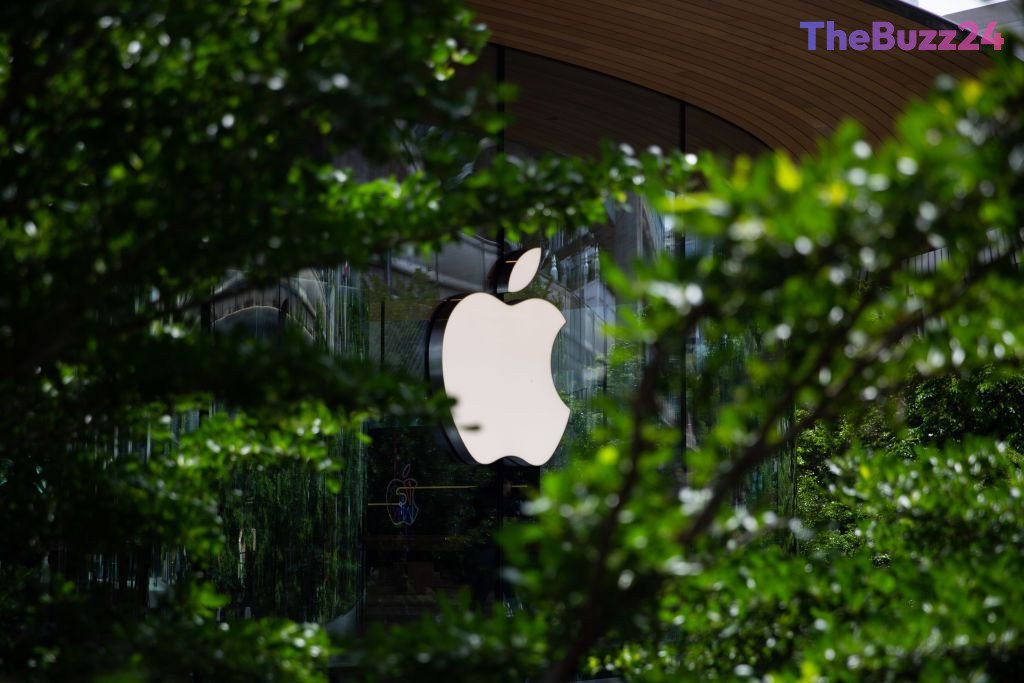
Apple Retail Architect Challenges Silicon Valley’s AI Shopping Vision
While tech giants pour billions into developing artificial intelligence agents designed to automate consumer purchases, Ron Johnson, the visionary behind Apple’s iconic retail stores, expresses skepticism. Johnson believes the industry is overestimating the extent to which people will delegate their shopping decisions to machines, asserting that physical retail environments will continue to thrive.
Johnson, 66, is no stranger to predictions of physical retail’s demise. He joined Apple in 2000, spearheading the creation of a global store network that became fundamental to how Apple sells its products and engages with customers, even as online shopping gained traction. He acknowledges that AI is a powerful new technology capable of enhancing the online shopping experience, but questions its ability to fundamentally alter how people choose to shop. This perspective contrasts sharply with efforts by companies like Google, which is advancing its Universal Commerce Protocol to enable AI agents to manage the entire shopping journey from discovery to checkout, and OpenAI, which is transforming ChatGPT into a shopping hub for research, comparison, and even direct purchases.
Johnson remains unequivocal about high-value, personal purchases. He argues that consumers will not allow an AI agent to select and buy a $1,000 or $2,000 laptop without physical interaction. Such purchases are too personal; buyers want to feel the product’s weight, assess its display, and determine the right size. While AI might narrow down options, Johnson contends that many consumers will still demand a hands-on experience before committing to a significant expenditure. He emphasizes that AI can never replicate the physical experience of a product, suggesting its primary role will be to create more informed shoppers who then visit stores.
His conviction is rooted in Apple’s retail philosophy, established over two decades ago. Apple stores were conceived not merely as transaction points but as spaces for customers to try products, learn their functionalities, and seek support. This approach, detailed in Johnson’s new book, “Shop Different: How Retail Revealed Apple’s Genius,” highlights the importance of human connection. Unlike the commission-driven sales culture prevalent in much of retail, Apple Store employees were not paid on commission, fostering an environment focused on understanding and meeting customer needs rather than pushing sales. Johnson believes this human element, the “secret sauce” of Apple, is something AI cannot replace, echoing Steve Jobs’ belief in human intuition and collaborative problem-solving.
Key Takeaways
- Ron Johnson, the architect of Apple's retail stores, believes Silicon Valley overestimates AI's role in automating shopping, asserting physical stores will remain vital.
- He argues that personal, high-value purchases require physical interaction, suggesting AI will primarily enhance pre-purchase information rather than replace in-store experiences.
- Johnson attributes Apple's retail success to its focus on customer experience and human interaction, a model he believes AI cannot fully replicate.
Editor’s Analysis & Impact
Ron Johnson’s seasoned perspective offers a vital counter-narrative to the pervasive tech industry enthusiasm for fully automated, AI-driven commerce. His insights suggest that while AI will undoubtedly optimize online processes and personalize recommendations, it may not fundamentally alter consumer behavior for all product categories, especially those requiring sensory engagement or significant investment. This could temper expectations for purely ‘agentic commerce’ and reinforce the strategic importance of hybrid retail models that seamlessly integrate digital convenience with tangible, in-person experiences. The future likely involves AI enhancing the pre-purchase journey, making consumers more informed, but the human element—expert advice, tactile interaction, and emotional connection—will remain a crucial differentiator, particularly for premium or complex products. Retailers should focus on how AI augments the human experience rather than attempting to replace it entirely.
Frequently Asked Questions
Q: Who is Ron Johnson and what is his background?
A: Ron Johnson is a prominent retail executive known for developing Apple's highly successful retail store strategy, which revolutionized the consumer electronics shopping experience. He also previously led J.C. Penney and founded Enjoy Technology.
Q: Why is Ron Johnson skeptical about AI's impact on shopping?
A: Johnson believes that while AI can improve online shopping and provide better information, it cannot replicate the physical experience and personal connection consumers seek for significant purchases like laptops. He argues that human intuition and the ability to physically interact with products remain crucial.
Q: What does Johnson foresee as the primary role of AI in retail?
A: Johnson expects AI to primarily serve as a tool to make consumers more informed shoppers before they visit a physical store. He believes it will enhance the pre-purchase research phase rather than fully automate the buying decision, especially for high-value items.
AI Disclosure: This article is based on verified data and official reports. Our Team and AI have cross-referenced every financial detail with primary sources to ensure total accuracy.
More from this Category