Apple Agrees to $250 Million Settlement Over AI Marketing Claims
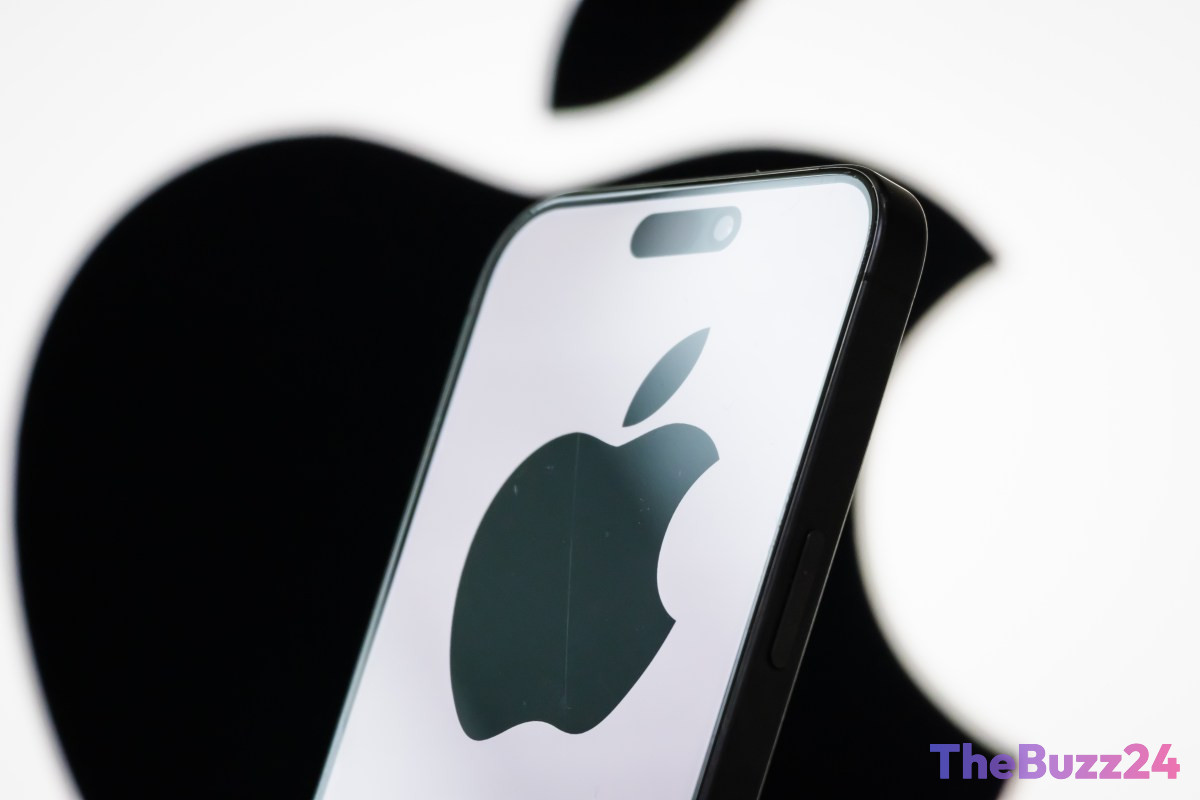
Apple has reached a $250 million settlement to conclude a class-action lawsuit centered on the marketing of its ‘Apple Intelligence’ software suite. The legal challenge arose following the launch of the iPhone 16, with plaintiffs asserting that the company engaged in deceptive advertising practices by overstating the readiness and functionality of its artificial intelligence features at the time of purchase.
The lawsuit contended that promotional materials for both the iPhone 15 and iPhone 16 series created the impression that advanced AI capabilities were fully integrated and operational upon release. Consumers argued that these claims were misleading, as many of the advertised features were either delayed or unavailable, influencing purchase decisions for users who specifically sought out the new hardware for its promised software utility.
Under the terms of the settlement, Apple has not admitted to any liability or wrongdoing. The agreement establishes a compensation fund for U.S. customers who purchased an iPhone 15 or iPhone 16 between June 10, 2024, and March 29, 2025. Eligible claimants may receive payments of up to $95 per device, providing a resolution to the dispute without further court proceedings.
Despite the legal setback, Apple remains committed to expanding its footprint in the generative AI market. The company is currently focused on integrating third-party large language models and refining its core digital assistant capabilities. Future software updates and developer-focused events are expected to play a critical role in the company’s strategy to bridge the gap between its current offerings and its long-term AI ambitions.
Key Takeaways
- Apple will pay $250 million to settle a class-action lawsuit regarding the marketing of its 'Apple Intelligence' features.
- The settlement covers U.S. customers who bought an iPhone 15 or iPhone 16 between June 10, 2024, and March 29, 2025.
- Eligible claimants are set to receive up to $95 per device, though Apple maintains no admission of liability.
Editor’s Analysis & Impact
This settlement highlights the growing tension between aggressive tech marketing and the reality of software development cycles. As major hardware manufacturers pivot toward AI-centric ecosystems, the pressure to market ‘future-proof’ features can lead to significant legal exposure when delivery timelines slip. For Apple, this $250 million payout is a manageable financial cost, but it serves as a cautionary tale for the industry regarding the transparency of ‘beta’ or ‘upcoming’ features in consumer advertising. Moving forward, we expect to see tech giants adopt more cautious language in their marketing materials to avoid similar litigation. The focus will likely shift toward incremental, verified feature rollouts rather than broad promises, as companies attempt to balance competitive pressure with legal compliance in the rapidly evolving generative AI landscape.
Frequently Asked Questions
Q: Who is eligible for the Apple AI settlement payment?
A: U.S. customers who purchased an iPhone 15 or iPhone 16 between June 10, 2024, and March 29, 2025, are eligible to file a claim.
Q: Did Apple admit to wrongdoing in this settlement?
A: No, Apple has not admitted to any liability or wrongdoing as part of the settlement agreement.
Q: How much money will eligible claimants receive?
A: Eligible claimants are expected to receive payments of up to $95 per device.
AI Disclosure: This article is based on verified data and official reports. Our Team and AI have cross-referenced every financial detail with primary sources to ensure total accuracy.
More from this Category