AI Boom Drives Unexpected Surge in Apple Mac Sales, Triggering Supply Shortages
Apple’s Mac lineup has quietly emerged as a standout performer in the company’s latest quarterly earnings, driven by an unexpected surge in demand for artificial intelligence workloads. While Wall Street analysts projected flat year-over-year growth with revenues in the low $8 billion range, Apple reported Mac revenues of $8.4 billion for the second quarter ending March 28. This represents a notable 6% annual increase, contributing to the tech giant’s overall quarterly revenue of $111.2 billion—a 17% jump compared to the same period last year.
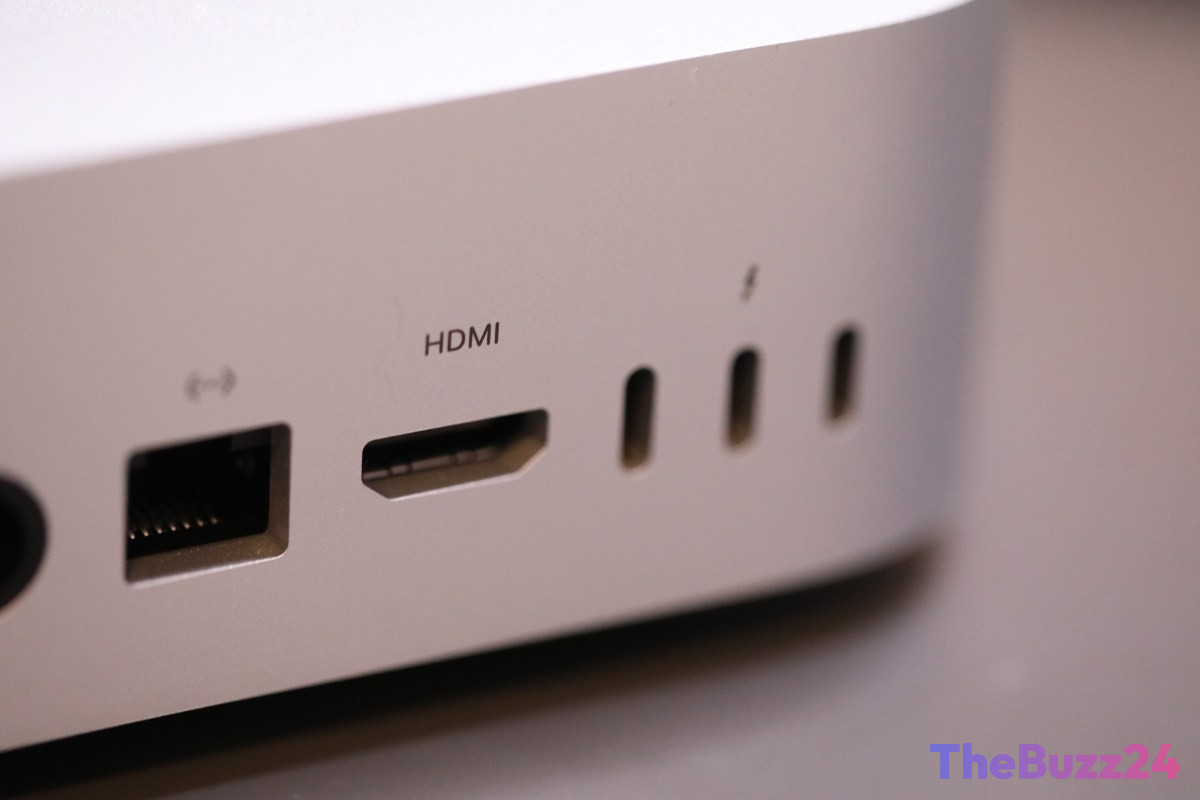
The sales boost was heavily propelled by recent hardware releases, most notably the new MacBook Neo. Apple CEO Tim Cook revealed that customer response to the Neo has been “off the charts,” attracting a record number of first-time Mac buyers. However, the most surprising catalyst has been the rapid adoption of Mac hardware, specifically the Mac mini and Mac Studio, for running local AI models and agentic tools like OpenClaw. This localized AI development trend has triggered a buying frenzy, particularly in China, where the Mac mini secured the spot as the top-selling desktop computer.
This sudden wave of AI-driven interest has left Apple struggling to keep up with demand. Cook acknowledged that the company under-calculated the market’s appetite, resulting in supply constraints for the Mac mini, Mac Studio, and MacBook Neo that could take several months to resolve. Beyond individual developers, enterprise and educational institutions are also shifting toward Apple’s ecosystem. High-profile AI startups like Perplexity have adopted the Mac as their primary platform for building enterprise-grade AI assistants, while school districts, including Kansas City Public Schools, are reportedly replacing Chromebooks with the MacBook Neo.
Key Takeaways
- Apple's Mac revenue beat Wall Street expectations, reaching $8.4 billion in Q2, representing a 6% year-over-year increase.
- Unexpected demand for running local AI models and agentic tools has caused supply shortages for the Mac mini, Mac Studio, and MacBook Neo.
- Enterprise adoption by firms like Perplexity and educational shifts away from Chromebooks are further fueling Mac's market expansion.
Editor’s Analysis & Impact
Apple’s unexpected Mac sales surge highlights a critical shift in the broader AI landscape: the transition toward localized, on-device AI processing. While cloud-based AI infrastructure continues to dominate capital expenditures, developers and enterprises are increasingly seeking powerful local hardware to run models like OpenClaw efficiently and securely. Apple’s silicon architecture, which integrates high-bandwidth unified memory, makes its desktop and laptop lineup uniquely suited for these demanding workloads. This surprise demand not only provides Apple with a high-margin revenue boost but also solidifies its ecosystem as the preferred sandbox for AI developers. If Apple can successfully resolve its supply chain bottlenecks over the coming months, the Mac could transition from a mature, stable product line into a dynamic growth engine fueled directly by the ongoing AI revolution.
Frequently Asked Questions
Q: Why are developers choosing Macs for AI development?
A: Apple's modern Mac hardware, powered by Apple Silicon, features unified memory architectures that are highly efficient at running local AI models and agentic tools, making them an attractive, cost-effective alternative to cloud-based development environments.
Q: Which Mac models are currently facing supply shortages?
A: Apple is experiencing supply constraints on the Mac mini, Mac Studio, and the newly launched MacBook Neo due to higher-than-expected demand. CEO Tim Cook indicated it may take several months to achieve supply-demand balance.
Q: How is the education sector reacting to Apple's new hardware?
A: There is a growing trend of educational institutions upgrading their technology infrastructure, with notable examples like Kansas City Public Schools transitioning away from Chromebooks in favor of the MacBook Neo.
AI Disclosure: This article is based on verified data and official reports. Our Team and AI have cross-referenced every financial detail with primary sources to ensure total accuracy.
More from this Category