Apple’s September Event: Foldable iPhones, AI-Powered AirPods, and a New Era of Hardware
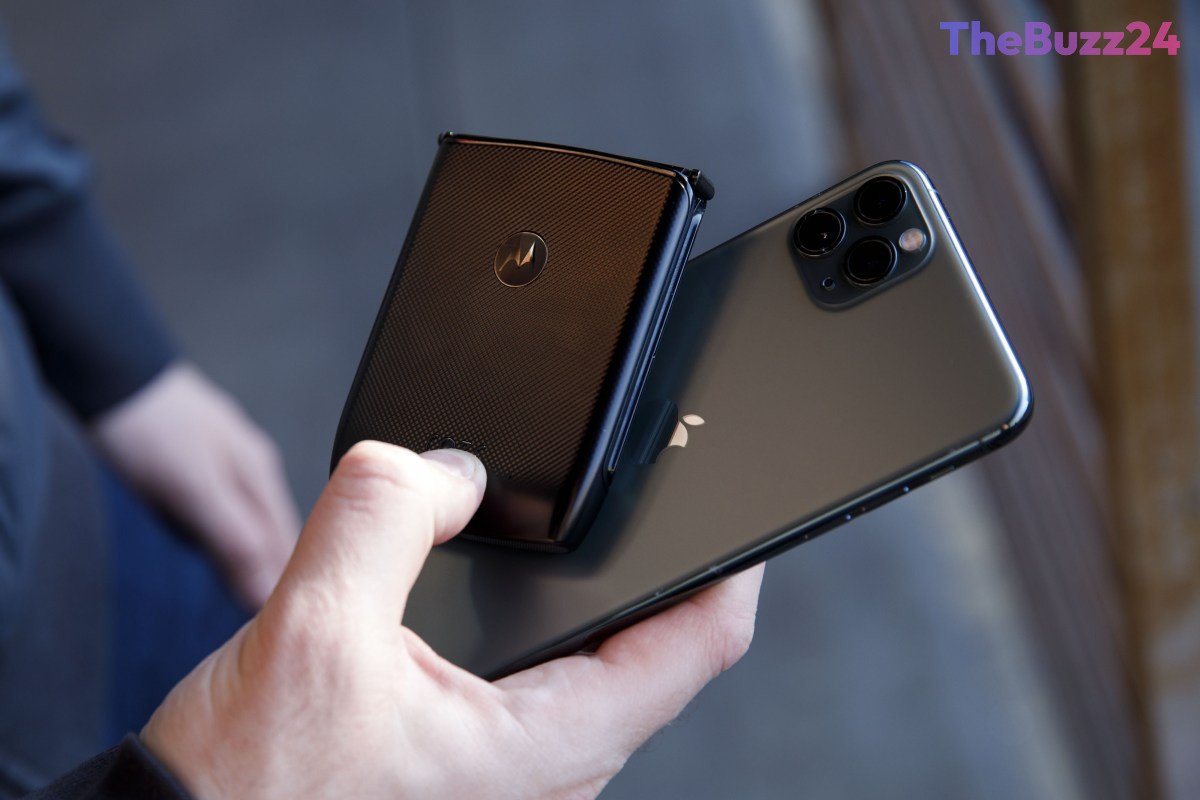
The tech industry is bracing for a transformative September 9 event as Apple prepares to unveil a suite of new hardware, headlined by its long-awaited entry into the foldable smartphone market. After years of market speculation, the company is expected to debut a foldable device, internally referred to as the ‘iPhone Ultra.’ This move marks a significant shift in Apple’s design philosophy, aiming to bridge the gap between the portability of a standard smartphone and the expansive utility of an iPad-like display.
Early reports suggest the foldable iPhone will feature a 5.5-inch cover display that expands to a 7.8-inch screen when unfolded. To maintain a sleek, pocketable profile, the device will reportedly utilize a dual-lens camera system and a side-mounted Touch ID sensor, opting against Face ID to conserve internal space. Despite the premium price point, which is estimated to exceed $2,000, the device is expected to leverage high-performance chips capable of robust multitasking, running a specialized version of iOS designed for dual-screen workflows.
Beyond the foldable category, Apple is set to refresh its standard iPhone 18 lineup, with a unique strategy of releasing Pro models ahead of the base version. The event will also highlight the company’s push into artificial intelligence. New HomePod iterations and innovative AirPods equipped with low-resolution cameras are expected to debut. These cameras are designed to provide ‘Visual Intelligence’ to the Siri assistant, allowing the device to process environmental data to assist users, rather than capturing traditional photos or videos.
This event also signals a major leadership transition, as Tim Cook prepares to hand over the CEO role to John Ternus. As Apple navigates this new chapter, the focus remains on balancing its reputation for privacy with the aggressive integration of AI and experimental hardware form factors. Whether these new devices can overcome the technical hurdles that have plagued foldable competitors, such as screen creasing, remains the central question for consumers and investors alike.
Key Takeaways
- Apple is expected to launch its first foldable smartphone, the 'iPhone Ultra,' featuring a 7.8-inch display and a premium price tag over $2,000.
- The company is integrating 'Visual Intelligence' into new AirPods, using built-in cameras to help Siri process environmental information.
- Apple is shifting its release strategy by potentially launching the iPhone 18 Pro models before the standard version, alongside a leadership transition to John Ternus.
Editor’s Analysis & Impact
Apple’s entry into the foldable market is a calculated risk that signals a pivot toward hardware innovation to combat slowing smartphone upgrade cycles. By entering this space late, Apple is betting that its ecosystem integration and superior build quality—specifically regarding the display crease—will justify a $2,000 price point. The introduction of camera-equipped AirPods represents a bolder, more controversial step into ‘ambient computing.’ If successful, this could redefine the role of wearables as active assistants rather than passive audio devices. However, the success of these products hinges on Apple’s ability to maintain its ‘privacy-first’ brand identity while introducing devices that actively ‘see’ the user’s environment. The leadership transition to John Ternus suggests a continued focus on hardware engineering excellence, which will be critical as the company attempts to integrate complex AI features into its physical product lineup.
Frequently Asked Questions
Q: Will the new foldable iPhone replace the standard iPhone 18?
A: No, the foldable iPhone is expected to be a premium, separate offering. Apple is also planning to release the standard iPhone 18 line, though potentially on a different release schedule than the Pro models.
Q: What is the purpose of the cameras on the new AirPods?
A: The cameras are not intended for photography or video recording. Instead, they act as 'eyes' for the Siri assistant, capturing low-resolution visual data to provide context-aware assistance through a feature called Visual Intelligence.
AI Disclosure: This article is based on verified data and official reports. Our Team and AI have cross-referenced every financial detail with primary sources to ensure total accuracy.
More from this Category