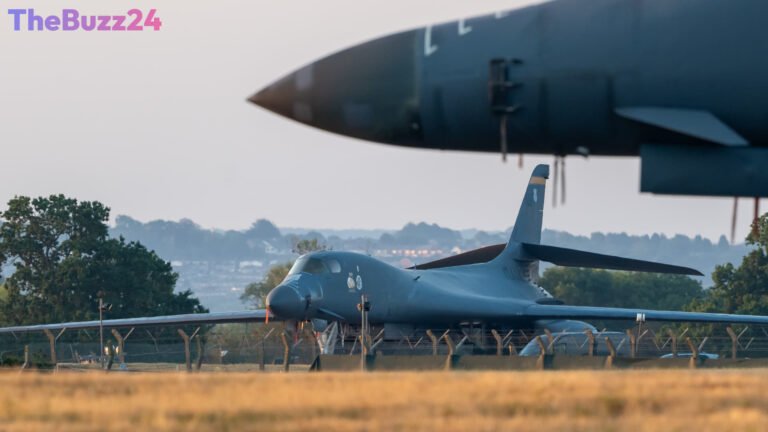
AUKUS Alliance Fast-Tracks Advanced Underwater Drone Fleet to Protect Global Infrastructure
The AUKUS security partnership, comprising the United States, the United Kingdom, and Australia, has launched a high-priority initiative to accelerate the deployment of uncrewed undersea vehicles (UUVs). With a target for operational readiness set for next year, the project represents a significant leap in maritime defense capabilities. The United Kingdom has already pledged £150 million toward the effort, underscoring the alliance’s commitment to rapidly integrating advanced robotics into their naval strategies.
This initiative is a core component of the second pillar of the AUKUS pact, which prioritizes the development and integration of emerging technologies, including artificial intelligence and hypersonic systems. These new underwater drones are engineered for versatility, capable of executing complex missions ranging from deep-sea surveillance and reconnaissance to logistics support and precision strike operations. The deployment of these systems is intended to provide a robust layer of security for critical undersea cables and pipelines, which are increasingly viewed as vulnerable targets for foreign interference.
Beyond the immediate focus on UUVs, the alliance continues to advance its broader strategic goals, including the long-term nuclear-powered submarine program. While the partnership has faced questions regarding the timeline of its larger infrastructure projects, defense officials assert that the collaborative framework is gaining significant traction. By rotating naval assets through Australian ports and coordinating technological research, the three nations aim to bolster deterrence across the Pacific, Atlantic, and High North regions, ensuring the integrity of the global networks that sustain modern economic and daily life.
Key Takeaways
- The AUKUS alliance is fast-tracking the deployment of uncrewed undersea vehicles (UUVs) to be operational by next year.
- The UK has committed £150 million to the project, which focuses on protecting vital undersea infrastructure like cables and pipelines.
- The initiative is part of the AUKUS 'Pillar II' strategy, which emphasizes the integration of AI and robotics into modern naval defense.
Editor’s Analysis & Impact
The acceleration of the AUKUS UUV program signals a strategic pivot toward asymmetric warfare and the protection of critical subsea infrastructure. As global reliance on undersea data cables grows, the ability to monitor and defend these assets has become a top-tier national security priority. By focusing on modular, uncrewed systems, the alliance is effectively lowering the cost and risk associated with maritime surveillance while increasing the density of their presence in contested waters. This move not only serves as a deterrent against potential sabotage but also establishes a blueprint for how mid-to-large scale defense alliances can leverage private-sector technological agility to overcome bureaucratic delays. Looking ahead, the success of this drone initiative will likely serve as a litmus test for the broader AUKUS pact, potentially paving the way for deeper integration in AI-driven autonomous defense systems.
Frequently Asked Questions
Q: What is the primary purpose of the new AUKUS underwater drones?
A: The primary purpose is to enhance maritime defense, specifically by providing surveillance, reconnaissance, and protection for critical undersea infrastructure like cables and pipelines.
Q: How does this project fit into the broader AUKUS agreement?
A: This project falls under 'Pillar II' of the AUKUS pact, which focuses on the collaborative development and integration of advanced technologies such as AI, robotics, and hypersonic systems.
AI Disclosure: This article is based on verified data and official reports. Our Team and AI have cross-referenced every financial detail with primary sources to ensure total accuracy.
More from this Category