AutoZone Shares Slide Despite Strong Quarterly Earnings Performance
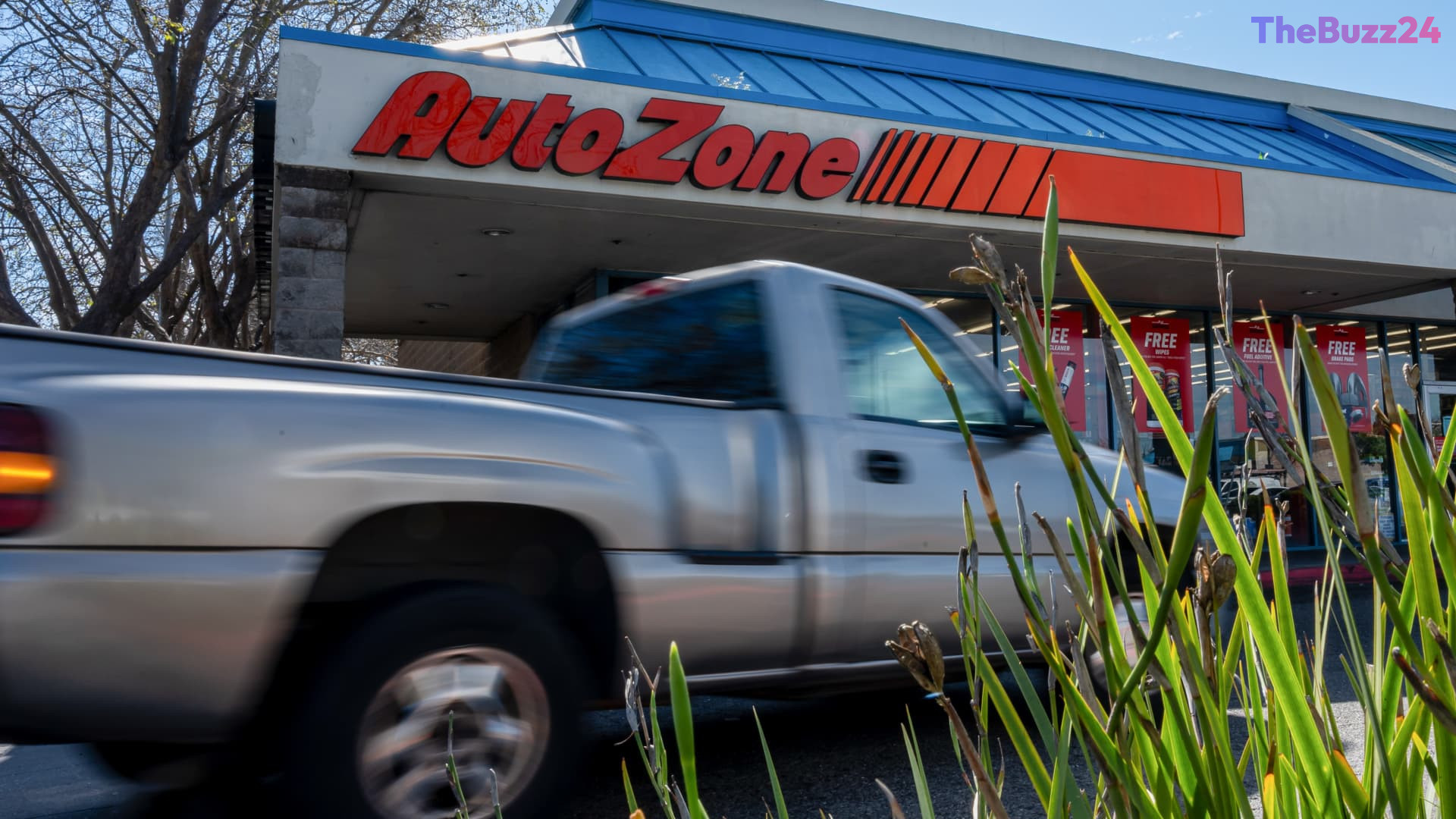
AutoZone faced a sharp market correction this week, recording its steepest single-day stock decline in more than four years. The drop occurred even as the automotive retail giant outperformed Wall Street’s financial expectations for its third fiscal quarter. The company posted earnings per share of $38.07, handily beating the anticipated $36.28, while revenue remained steady at $4.84 billion, meeting analyst projections. Despite these robust numbers, investors reacted negatively, driving the stock price down by 9% by the end of the trading session.
During the subsequent earnings call, leadership faced intense scrutiny regarding international growth prospects and tightening profit margins. CEO Philip Daniele pointed to unseasonably cool weather as a primary driver for a year-over-year sales slowdown, noting that the climate hindered demand for heat-related automotive products that typically perform well during the transition into summer. This explanation, however, did little to quell investor concerns regarding the company’s long-term growth trajectory.
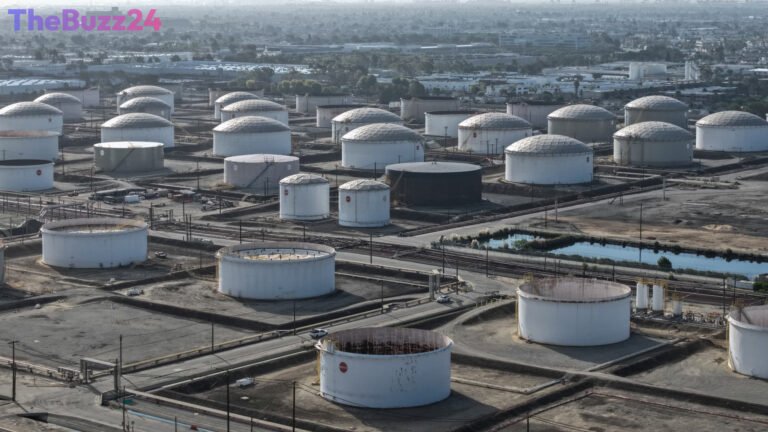
Market analysts also pressed the company on broader macroeconomic headwinds, including the impact of persistent inflation and rising energy costs. Discussions touched upon potential supply chain vulnerabilities, specifically regarding a reported shortage of motor oil that has impacted major manufacturers like Nissan and Toyota. While AutoZone executives acknowledged the industry-wide supply chain complexities, they maintained that any potential lubricant shortages would not have a material impact on their operations.
Looking toward the remainder of the fiscal year, AutoZone management signaled that while inflationary pressures are likely to continue, the year-over-year cost comparisons are expected to become more favorable. As the retailer navigates these challenges, the market remains cautious, closely monitoring how the company will balance its competitive positioning against shifting consumer spending habits and global supply chain volatility.
Key Takeaways
- AutoZone shares fell 9% in a single day despite beating earnings per share expectations.
- CEO Philip Daniele attributed recent sales softness to unseasonably cool weather affecting seasonal product demand.
- Management downplayed concerns regarding potential motor oil supply shortages, asserting that operations remain stable.
Editor’s Analysis & Impact
The sharp sell-off of AutoZone stock despite a clear earnings beat highlights a growing trend of investor impatience in the current retail climate. While the company’s fundamentals remain strong, the market is increasingly sensitive to ‘excuses’ regarding weather or macroeconomic headwinds, signaling that investors are pricing in a more difficult environment for discretionary automotive spending. The focus on supply chain vulnerabilities, particularly regarding lubricants, suggests that the market is looking for proactive risk management rather than reactive explanations. Moving forward, AutoZone must demonstrate that it can maintain its margins despite inflationary pressures. If the company fails to show consistent growth in the coming quarters, it risks being viewed as a mature entity struggling to adapt to a volatile global supply chain, which could lead to further valuation compression.
Frequently Asked Questions
Q: Why did AutoZone's stock price drop despite beating earnings expectations?
A: The stock declined due to investor anxiety regarding international growth stagnation, margin compression, and concerns over how macroeconomic pressures like inflation and potential supply chain issues might impact future performance.
Q: How did AutoZone explain the recent slowdown in sales?
A: CEO Philip Daniele attributed the sales slowdown to unseasonably cool weather, which negatively impacted the demand for heat-related automotive products that usually see higher sales as summer approaches.
AI Disclosure: This article is based on verified data and official reports. Our Team and AI have cross-referenced every financial detail with primary sources to ensure total accuracy.
More from this Category