Leon Botstein to Step Down as Bard College President Following Ethics Investigation
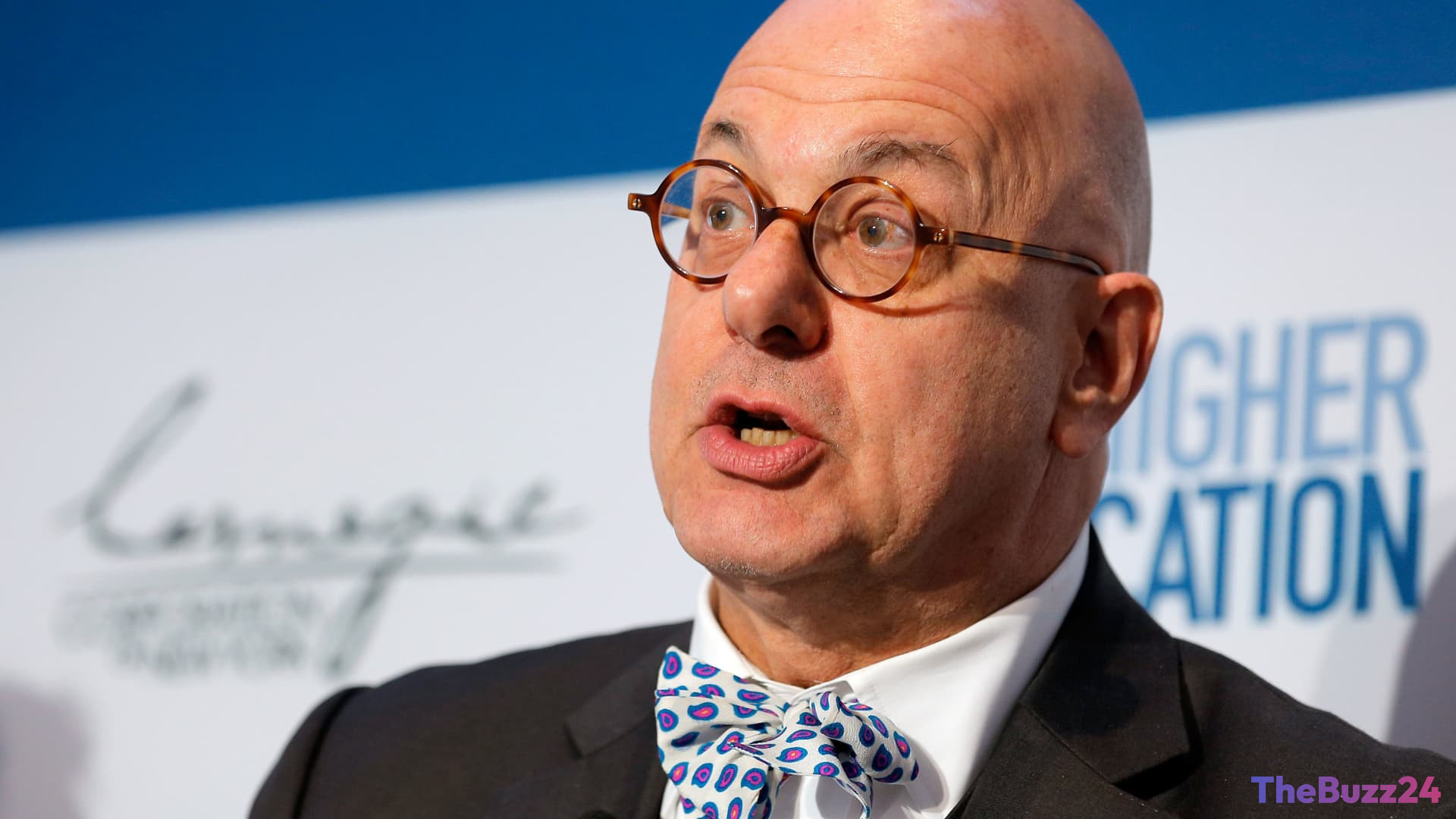
Leon Botstein, the long-standing president of Bard College, has officially announced his retirement, concluding a tenure that spanned five decades. His departure comes in the wake of an independent investigation into his professional associations with the late financier and convicted sex offender Jeffrey Epstein. The inquiry, commissioned by the college’s Board of Trustees and conducted by the law firm WilmerHale, scrutinized the nature and extent of the relationship between the college leadership and Epstein.
While the investigative report found no evidence of illegal activity, it identified significant lapses in judgment regarding the college’s fundraising practices. Investigators revealed that Botstein continued to solicit donations from Epstein well after the financier’s 2008 conviction for soliciting a minor for prostitution. Furthermore, the report indicated that the president failed to provide full transparency to the Board of Trustees regarding these financial ties, at times masking the origin of funds by attributing them to other donors.
In his formal announcement, Botstein chose to highlight his long-term contributions to the institution, specifically citing the successful completion of a $1 billion endowment campaign. He plans to remain at the college as a faculty member, focusing on his ongoing work with the institution’s music programs. Despite his focus on his legacy, the findings have ignited significant controversy on campus, with student organizations like ‘Take Back Bard’ demanding broader reforms to the college’s governance and internal culture.
The Board of Trustees has accepted the resignation, noting that it followed the delivery of the investigative findings. As Bard College moves toward a leadership transition, the situation underscores the growing scrutiny surrounding the ethical responsibilities of academic administrators when managing high-stakes fundraising and the vetting of controversial donors.
Key Takeaways
- Leon Botstein is retiring after 50 years as president of Bard College following an investigation into his ties with Jeffrey Epstein.
- The WilmerHale report found no illegal actions but cited significant lapses in judgment and a lack of transparency regarding fundraising.
- Student groups are calling for systemic governance changes at the institution in response to the findings.
Editor’s Analysis & Impact
The resignation of Leon Botstein highlights a critical inflection point for higher education institutions regarding donor due diligence. In an era where academic fundraising is increasingly scrutinized, the intersection of institutional financial needs and the reputations of high-net-worth donors has become a major liability. The Bard College case serves as a cautionary tale for university boards, emphasizing that financial success—such as the $1 billion endowment mentioned—cannot insulate leadership from the ethical consequences of their associations. Moving forward, we expect to see more rigorous vetting protocols and increased transparency requirements for university presidents. The backlash from the student body also signals a shift in campus culture, where institutional integrity is increasingly prioritized over the traditional ‘fundraiser-in-chief’ model of academic leadership.
Frequently Asked Questions
Q: Did the investigation find that Leon Botstein committed any crimes?
A: No, the investigation conducted by WilmerHale concluded that none of the president's actions were illegal.
Q: What was the primary criticism regarding Botstein's relationship with Jeffrey Epstein?
A: The report criticized Botstein for continuing to solicit funds from Epstein after his 2008 conviction and for failing to disclose the true source of those donations to the Board of Trustees.
AI Disclosure: This article is based on verified data and official reports. Our Team and AI have cross-referenced every financial detail with primary sources to ensure total accuracy.
More from this Category