Life Under Pressure: The Human Cost of Conflict and Digital Isolation in the Middle East
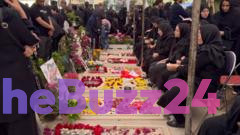
Civilians across the Middle East, particularly within Iran, are facing an increasingly difficult reality as they navigate the dual pressures of regional conflict and domestic repression. In Iran, the government has implemented significant internet restrictions, a move designed to control the flow of information and isolate the population. This digital crackdown has made it significantly harder for individuals to communicate their experiences of trauma and the daily hardships caused by ongoing instability.
The humanitarian crisis extends well beyond Iran’s borders. The ripple effects of regional hostilities are being felt in Lebanon and Syria, where strikes have damaged vital infrastructure and displaced countless families. Even cultural milestones, such as the Palestine Marathon in Bethlehem, have faced disruptions due to the ongoing Gaza War, illustrating how deeply conflict permeates every aspect of civilian life.
Compounding these human struggles are significant geopolitical and economic shifts. The strategic importance of the Strait of Hormuz remains a focal point for global energy security, while changes in membership within organizations like OPEC signal a shifting landscape in international energy politics. Together, these factors create a volatile environment where the struggle for normalcy and safety is constantly undermined by broader political and economic tensions.
Key Takeaways
- Internet censorship in Iran is being used to isolate citizens and suppress information regarding domestic and regional hardships.
- Regional conflicts in Lebanon, Syria, and Gaza are causing widespread displacement and the destruction of essential civilian infrastructure.
- Geopolitical shifts in energy markets and tensions in vital shipping lanes like the Strait of Hormuz are adding economic layers to the regional instability.
Editor’s Analysis & Impact
The current situation in the Middle East represents a convergence of humanitarian, digital, and economic crises. The use of internet censorship in Iran serves as a critical indicator of how modern states manage internal dissent and external perception, effectively creating information blackouts that hinder international awareness. Simultaneously, the regional spillover from conflicts in Gaza, Lebanon, and Syria suggests a period of prolonged instability that will likely drive migration and economic volatility. The strategic sensitivity of the Strait of Hormuz highlights that these local conflicts have immediate global consequences, particularly for energy security. Investors and policymakers must prepare for a landscape where geopolitical volatility is the new baseline, impacting everything from regional stability to global oil prices.
Frequently Asked Questions
Q: How are internet restrictions impacting the population in Iran?
A: Internet restrictions are being utilized to control the flow of information, which isolates citizens and prevents them from sharing their experiences of trauma and repression with the global community.
Q: What are the broader regional consequences of the ongoing conflicts?
A: The conflicts are causing significant humanitarian distress, including the displacement of families in Lebanon, the destruction of infrastructure in Syria, and disruptions to cultural and social activities across the region.
AI Disclosure: This article is based on verified data and official reports. Our Team and AI have cross-referenced every financial detail with primary sources to ensure total accuracy.
More from this Category