Beijing Strikes Back: China Unleashes Sweeping Trade Countermeasures Ahead of US Summit
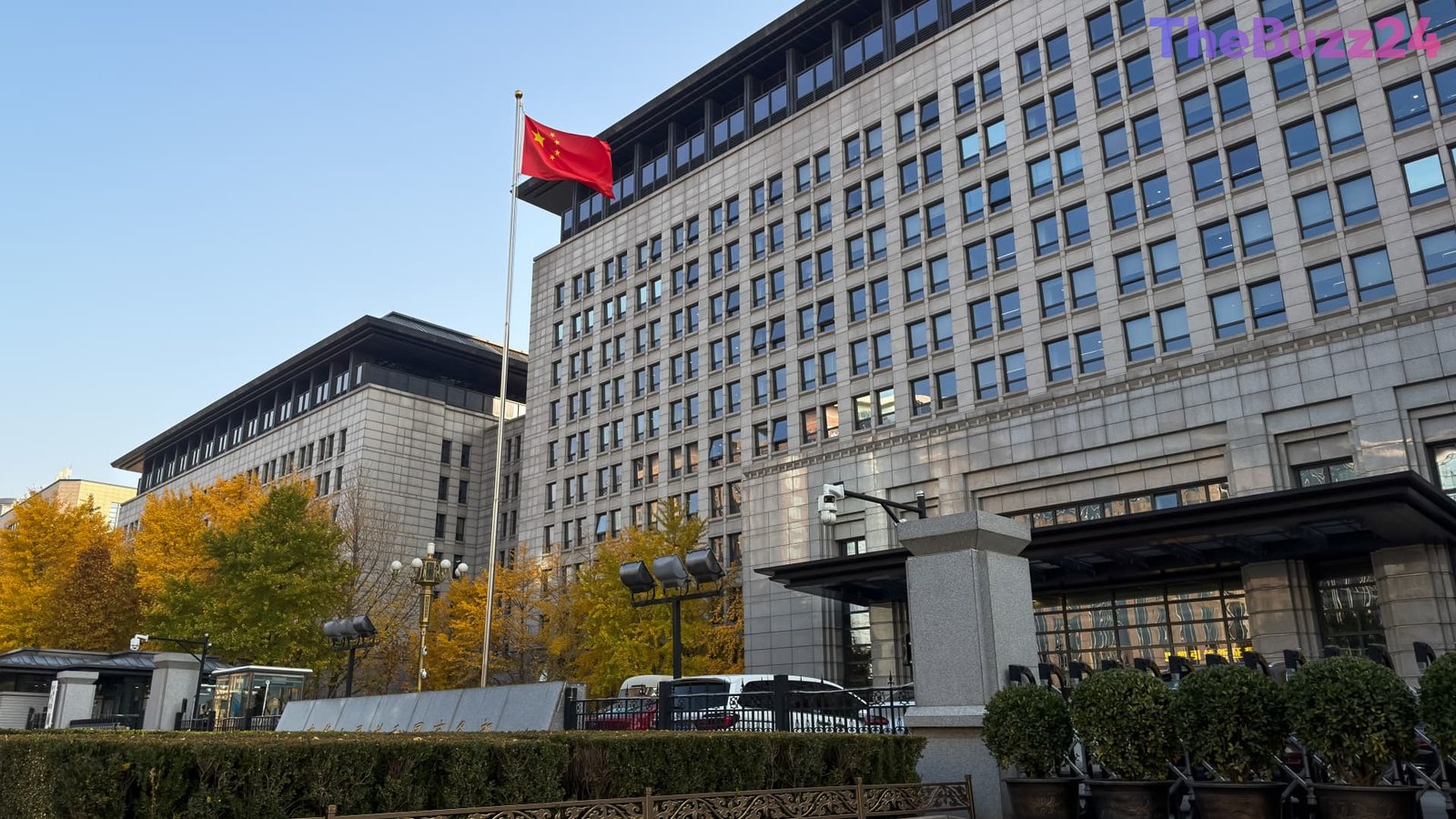
Beijing has launched its most comprehensive package of trade countermeasures since last October’s bilateral truce, signaling a sharp escalation in the ongoing technology and trade friction with Washington. The Ministry of Commerce’s sweeping actions come just weeks before a highly anticipated summit in Washington between Chinese President Xi Jinping and U.S. President Donald Trump. This strategic pushback is widely seen as an effort by China to establish fresh leverage and counter recent American restrictions before the two leaders meet.
Under the newly announced measures, China has barred domestic entities from doing business with seven American companies and organizations. Notably, the restrictions target firms involved in enforcing the U.S. Uyghur Forced Labor Prevention Act (UFLPA), marking the first time Beijing has directly penalized entities assisting with these specific U.S. regulations. Among those blacklisted is Arizona-based Compliance Testing, cited for its role in supporting Federal Communications Commission (FCC) actions against Chinese products. Additionally, Beijing has severely tightened export controls on U.S.-bound drones and related dual-use technologies, subjecting them to strict, case-by-case reviews with no eligibility for fast-tracked licensing.
The countermeasures also strike at the heart of corporate compliance, prohibiting Chinese firms from cooperating with American certification and compliance bodies, including mandatory factory inspections. In another unprecedented move, Chinese authorities have initiated their first-ever national security investigation within the foreign trade sector. This probe specifically targets imported printing and copying equipment running foreign software. Analysts suggest this mechanism could easily be expanded to other sectors, potentially mirroring recent U.S. restrictions on Chinese software in connected vehicles.
This aggressive regulatory shift follows a series of U.S. actions, including the FCC’s ban on new Chinese drone models and power routers, and the addition of over 40 Chinese firms to the UFLPA entity list. While the upcoming Trump-Xi summit remains on schedule, the stability of the current trade truce hangs in the balance. Further aggressive moves from Washington, such as restricting Chinese open-weight artificial intelligence models or limiting cloud-based semiconductor access, could completely derail the fragile diplomatic progress.
Key Takeaways
- China has implemented its broadest trade countermeasures since last October, targeting seven U.S. entities and tightening drone export controls.
- For the first time, Beijing is penalizing American compliance and certification firms that help enforce U.S. forced labor laws and FCC restrictions.
- The regulatory escalation is strategically timed to build leverage ahead of the upcoming summit between President Xi Jinping and President Donald Trump.
Editor’s Analysis & Impact
Beijing’s latest countermeasures represent a sophisticated shift from defensive posturing to active retaliation, effectively adopting Washington’s regulatory playbook. By targeting compliance and certification bodies, China is significantly raising the operational costs and legal risks for American multinational corporations operating within its borders. This ‘tit-for-tat’ strategy is designed to create bargaining chips ahead of the Xi-Trump summit, allowing Beijing to negotiate from a position of strength. However, this high-stakes maneuvering risks backfiring if it triggers further U.S. tech curbs, particularly in critical sectors like artificial intelligence and cloud computing. For global supply chains, this escalating friction underscores the urgent need for diversification, as compliance with one nation’s laws increasingly invites severe penalties from the other.
Frequently Asked Questions
AI Disclosure: This article is based on verified data and official reports. Our Team and AI have cross-referenced every financial detail with primary sources to ensure total accuracy.
More from this Category