Belgium Pivots to State-Led Nuclear Strategy to Secure Energy Independence
In a major strategic pivot, the Belgian government has announced plans to nationalize its nuclear power infrastructure, moving to acquire the country’s fleet of reactors from French energy firm Engie. This initiative is designed to fortify national energy security and decrease the country’s reliance on imported fossil fuels, marking a definitive end to long-standing policies aimed at phasing out nuclear power.
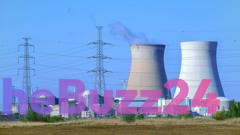
The government’s decision effectively suspends previous legislative mandates that had sought to decommission all nuclear operations and prohibited the construction of new facilities. While five of the nation’s seven reactors were taken offline between 2022 and 2025, the new directive halts all dismantling efforts. Currently, the two remaining operational reactors at the Doel and Tihange sites have had their lifespans extended through 2035, serving as the foundation for this new state-controlled energy model.
Negotiations between the Belgian state and Engie are currently underway, with a target deadline for a finalized agreement set for October 1. This shift reflects a broader trend across Europe, where nations are increasingly reconsidering nuclear energy as a vital component of their power grids. Beyond maintaining existing assets, the government has expressed an interest in exploring the development of new nuclear capacity to ensure long-term industrial stability and meet climate objectives.
Historically, Belgium’s nuclear sector has faced significant public scrutiny and safety concerns, including past incidents involving structural integrity at the Tihange facility. By bringing these assets under state control, the government aims to centralize management, address safety protocols directly, and provide a stable framework for future energy investments that support both economic growth and environmental targets.
Key Takeaways
- Belgium is nationalizing its nuclear power fleet, taking control of assets previously managed by Engie.
- The government has reversed its nuclear phase-out policy, extending the operational life of remaining reactors to 2035.
- The state plans to explore new nuclear capacity to enhance energy security and support long-term climate goals.
Editor’s Analysis & Impact
Belgium’s decision to nationalize its nuclear fleet represents a significant paradigm shift in European energy policy. By moving away from a phase-out strategy, the government is acknowledging the practical necessity of nuclear power in maintaining grid stability and achieving carbon neutrality. This move effectively de-risks the sector for the state, allowing for long-term planning that private entities like Engie may have found commercially unviable under previous regulatory uncertainty. The broader implication is a potential resurgence of nuclear investment across the continent, as energy sovereignty becomes a top priority for national security. However, the success of this transition will depend on the government’s ability to manage aging infrastructure safely while navigating the high capital costs associated with potential new reactor construction. This policy reversal signals that nuclear energy is once again being viewed as a cornerstone of industrial resilience.
Frequently Asked Questions
Q: Why is Belgium nationalizing its nuclear power plants?
A: The government is nationalizing the plants to bolster national energy security, reduce dependence on imported fossil fuels, and ensure a stable, long-term energy supply that aligns with climate goals.
Q: What happens to the reactors that were already shut down?
A: Plans for the dismantling of the five reactors that were shut down between 2022 and 2025 have been put on hold as the government evaluates the potential for future use or integration into the new nationalized energy strategy.
AI Disclosure: This article is based on verified data and official reports. Our Team and AI have cross-referenced every financial detail with primary sources to ensure total accuracy.
More from this Category