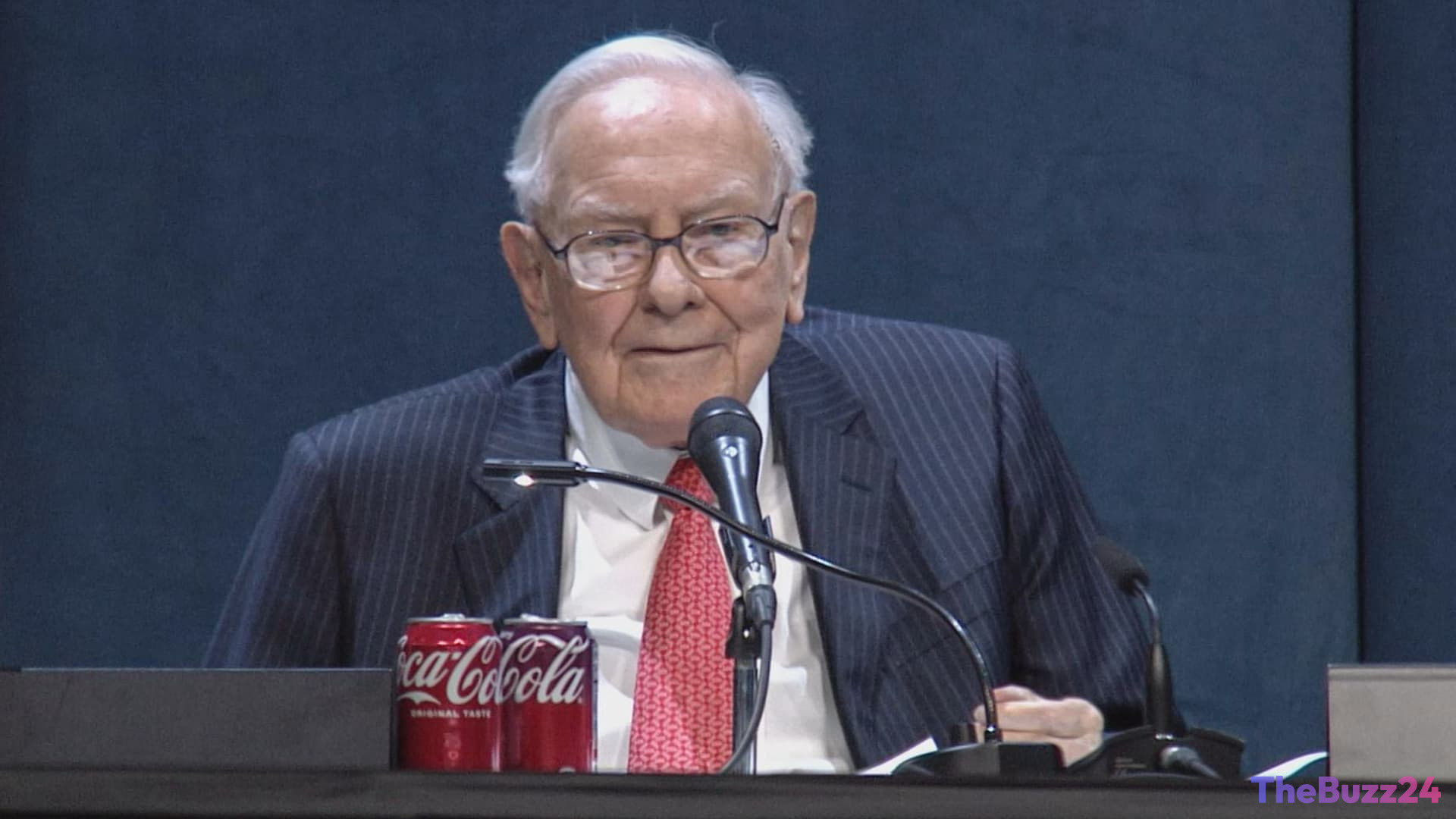
Berkshire Hathaway Faces Market Headwinds Amid Leadership Transition
Berkshire Hathaway is currently navigating a period of market underperformance, with its shares trailing the S&P 500 by more than 11 percentage points year-to-date. Both Class A and Class B shares have retreated roughly 13% from their previous highs, a decline that aligns with the timeline surrounding Warren Buffett’s planned transition away from the CEO role by the end of 2025. This divergence from the broader market’s record-breaking performance has prompted investors to scrutinize the conglomerate’s long-term strategy.
Despite the recent price correction, many analysts remain optimistic about the firm’s underlying strength. Berkshire is increasingly viewed as a ‘Heavy Assets, Low Obsolescence’ (HALO) entity, benefiting from a robust insurance division and industrial holdings that provide a hedge against inflation and technological volatility. With a record cash pile exceeding $370 billion, the company maintains significant flexibility to execute stock buybacks or pursue major acquisitions should management deem the current valuation attractive.
Internal shifts are also underway as Greg Abel prepares to assume full leadership. The company has begun unwinding specific portfolio positions previously managed by Todd Combs, particularly within the software and financial sectors. While Berkshire has trimmed its massive stake in Apple, the tech giant remains the cornerstone of its equity portfolio. As the annual shareholders meeting in Omaha approaches, stakeholders are eager for clarity on how the new leadership team intends to deploy the company’s massive capital reserves and maintain growth in a post-Buffett era.
Key Takeaways
- Berkshire Hathaway shares have lagged behind the S&P 500 by over 11% this year, retreating 13% from recent peaks.
- The company holds a record cash reserve of over $370 billion, providing significant potential for future buybacks or strategic investments.
- Leadership is transitioning to Greg Abel, who is currently streamlining the investment portfolio by exiting certain software and financial positions.
Editor’s Analysis & Impact
The current performance gap between Berkshire Hathaway and the S&P 500 reflects a broader investor anxiety regarding the ‘key person risk’ associated with Warren Buffett’s eventual departure. While the market is currently favoring high-growth tech sectors, Berkshire’s value-oriented, asset-heavy model offers a defensive posture that may prove vital if market volatility increases. The primary challenge for Greg Abel will be the efficient deployment of the company’s massive cash hoard; failing to put this capital to work could lead to further stagnation. However, the firm’s structural durability and disciplined capital allocation suggest that it remains a formidable long-term holding. Investors should watch for signals at the upcoming annual meeting regarding whether the company will shift toward more aggressive capital deployment or maintain its traditional, conservative investment philosophy.
Frequently Asked Questions
Q: Why is Berkshire Hathaway underperforming the S&P 500?
A: The underperformance is attributed to a combination of market rotation away from value-heavy conglomerates, uncertainty regarding the leadership transition from Warren Buffett to Greg Abel, and a recent 13% retreat from the stock's peak valuation.
Q: What is the significance of Berkshire's $370 billion cash reserve?
A: The massive cash pile acts as a 'coiled spring,' providing the company with the liquidity to execute large-scale stock buybacks when prices are low or to acquire new businesses, ensuring the firm remains opportunistic during market downturns.
AI Disclosure: This article is based on verified data and official reports. Our Team and AI have cross-referenced every financial detail with primary sources to ensure total accuracy.
More from this Category