Berkshire Hathaway Posts Strong Earnings as CEO Greg Abel Deploys Massive Cash Reserve
Berkshire Hathaway has reported a robust 16% increase in operating earnings for the second quarter, reaching $12.98 billion compared to $11.16 billion during the same period last year. Solid performances across the conglomerate’s diverse energy, railroad, and manufacturing divisions easily offset softer results within the insurance sector.
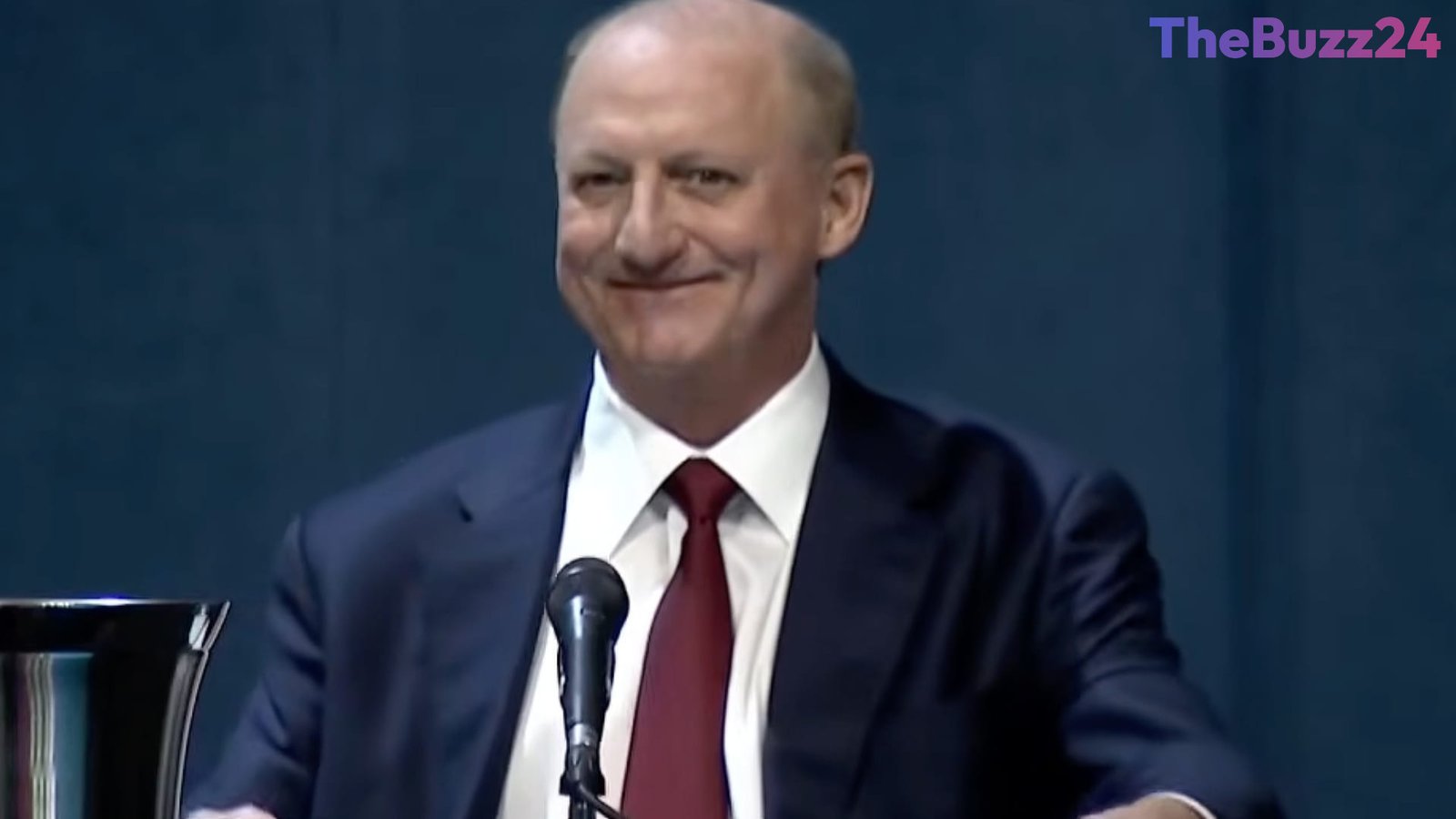
Beyond the strong financial figures, the quarter marked a pivotal shift in capital allocation strategy under Chief Executive Officer Greg Abel. Having taken the reins from legendary investor Warren Buffett earlier this year, Abel has begun deploying portions of the company’s historic cash reserves. Berkshire transitioned from a multi-quarter pattern of net selling into a net buyer of equities, pouring nearly $20 billion into stock purchases and executing approximately $4.5 billion in share buybacks.
As a result of these strategic deployments, Berkshire’s towering cash pile decreased to $365.5 billion by the end of June, down from an all-time high of $397.4 billion three months prior. This capital allocation included the finalization of the Taylor Morrison acquisition as well as notable equity maneuvers, such as positioning Alphabet among the conglomerate’s top five holdings following a $10 billion investment to support artificial intelligence development.
Key Takeaways
- Berkshire Hathaway's operating earnings rose 16% year-over-year to $12.98 billion in the second quarter.
- CEO Greg Abel deployed billions from the cash hoard, making the conglomerate a net buyer of equities after 14 quarters of selling.
- Alphabet joined Berkshire's top five equity holdings following a major $10 billion investment.
Editor’s Analysis & Impact
The transition of leadership at Berkshire Hathaway to CEO Greg Abel is proving to be a watershed moment for the conglomerate’s capital management strategy. For years, markets watched the company accumulate an unprecedented cash fortress under Warren Buffett due to a perceived lack of fairly valued assets in the broader equity market. Abel’s recent aggressive pivot—evidenced by nearly $20 billion in net equity purchases, a resumption of substantial share buybacks, and high-profile tech investments like Alphabet—signals a willingness to actively deploy capital rather than letting cash sit idly in Treasuries. This shift could revitalize investor enthusiasm, potentially helping Berkshire close the performance gap with the broader S&P 500 while signaling renewed confidence in select market sectors, particularly AI and infrastructure.
Frequently Asked Questions
Q: What caused the rise in Berkshire Hathaway's operating earnings?
A: The 16% increase in operating earnings was driven by strong results in Berkshire's manufacturing, service, retailing, energy, and railroad divisions, which offset weaker performance in the insurance sector.
Q: How much was Berkshire's cash pile reduced to?
A: Berkshire's cash reserve decreased from a record $397.4 billion to $365.5 billion at the end of June as the company engaged in share buybacks, corporate acquisitions, and equity purchases.
Q: What major stock recently entered Berkshire's top five holdings?
A: Alphabet became one of Berkshire's top five equity holdings following a $10 billion investment made earlier this year to support artificial intelligence development.
AI Disclosure: This article is based on verified data and official reports. Our Team and AI have cross-referenced every financial detail with primary sources to ensure total accuracy.
More from this Category