Betting on the Inside: Wall Street and Tech Giants Crack Down on Prediction Market Trading
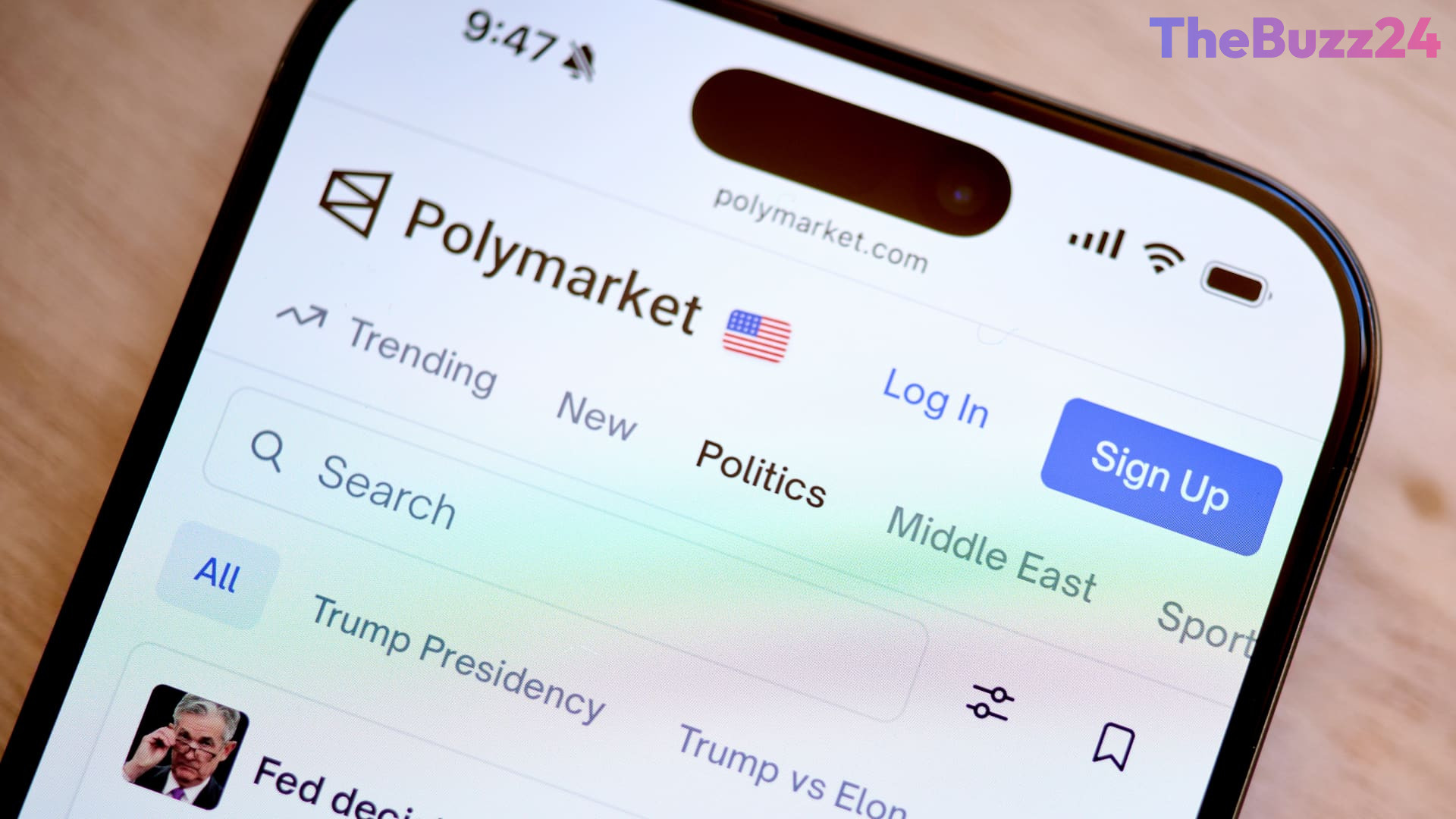
The rapid rise of event-based prediction markets is forcing major corporations to re-evaluate their internal compliance frameworks. As platforms like Polymarket and Kalshi gain mainstream traction, legal experts warn that these betting arenas present a novel and highly accessible avenue for insider trading. Unlike traditional stock markets, prediction platforms allow users to wager on highly specific corporate outcomes, macro data, and political events, creating a direct incentive for employees with access to nonpublic information to profit from their insider knowledge.
In response to these emerging risks, several Wall Street heavyweights are proactively updating their employee guidelines. Goldman Sachs has implemented strict measures, prohibiting its staff from trading on contracts tied to the bank’s own activities, as well as broader economic indicators, elections, and geopolitical events. Similarly, Morgan Stanley has integrated prediction market restrictions into its employee code of conduct, while Bank of America is actively communicating policy updates to clarify boundaries for its workforce. JPMorgan Chase has also advised its employees to exercise extreme caution, particularly regarding contracts tied to the financial sector.
The urgency surrounding these policy updates has intensified following recent regulatory actions. Earlier this year, the Commodity Futures Trading Commission (CFTC) and the Department of Justice charged a Google employee with utilizing confidential company data to net over $1.2 million on Polymarket contracts. This landmark case highlighted how easily internal corporate metrics—such as search trends or product release timelines—can be leveraged for financial gain on event registries. To mitigate these vulnerabilities, prediction platforms themselves are introducing compliance tools; Kalshi has partnered with compliance software providers to allow employers to monitor staff trades, while Polymarket has teamed up with blockchain analytics firms to flag suspicious activity.
Despite these initial steps, compliance experts warn that many corporations remain unprepared for the regulatory scrutiny ahead. While some firms argue that existing, broad insider trading bans inherently cover prediction markets, legal advisors emphasize the necessity of explicit, platform-specific policies. As regulators like the CFTC navigate what experts describe as a “blank canvas” for prosecuting event-contract insider trading, businesses are being urged to proactively train employees, update compliance handbooks, and potentially restrict access to these platforms on corporate devices to avoid future liability.
Key Takeaways
- Major financial institutions, including Goldman Sachs and Morgan Stanley, are updating compliance policies to restrict employees from trading on prediction markets.
- A landmark regulatory case involving a Google employee who made $1.2 million on Polymarket has heightened corporate awareness of insider trading risks on event contracts.
- Compliance experts advise companies to establish explicit guidelines regarding prediction platforms rather than relying on general insider trading bans.
Editor’s Analysis & Impact
The intersection of prediction markets and corporate compliance represents a paradigm shift in how insider trading is defined and monitored. Historically, insider trading was confined to equities, debt, and derivatives. Today, the granular nature of event contracts—allowing bets on everything from executive departures to product launch dates—democratizes access to speculative trading but also decentralizes the risk of confidential leaks. For financial institutions and tech giants alike, the reputational and legal risks are immense. As the CFTC establishes new precedents, we expect a wave of corporate policy updates globally. Companies that fail to explicitly address prediction markets in their compliance training risk severe regulatory backlash. Ultimately, this trend will force prediction platforms to integrate deeper institutional compliance tools, transforming them from speculative retail hubs into highly regulated financial environments.
Frequently Asked Questions
Q: What are prediction markets, and why do they pose an insider trading risk?
A: Prediction markets are platforms where users buy and sell contracts based on the outcome of future events, such as elections, economic data, or corporate milestones. They pose an insider trading risk because employees with access to confidential, nonpublic company information can use that knowledge to place highly accurate, profitable bets on specific corporate outcomes.
Q: How are major banks responding to these risks?
A: Financial institutions are leading the response by updating their internal codes of conduct. For example, Goldman Sachs has banned employees from trading on contracts related to the bank, financial markets, and macroeconomic data, while other institutions like Morgan Stanley and Bank of America are updating their guidelines to explicitly address prediction platforms.
Q: Are prediction platforms taking steps to prevent insider trading?
A: Yes, major platforms like Kalshi and Polymarket are partnering with compliance and blockchain analytics firms. Kalshi has introduced tools allowing employers to monitor their staff's trading activity, while Polymarket has partnered with firms like Chainalysis to detect and flag suspicious trading patterns.
AI Disclosure: This article is based on verified data and official reports. Our Team and AI have cross-referenced every financial detail with primary sources to ensure total accuracy.
More from this Category