NYC Mayor and Jeff Bezos Clash Over Wealth Taxation and Public Funding
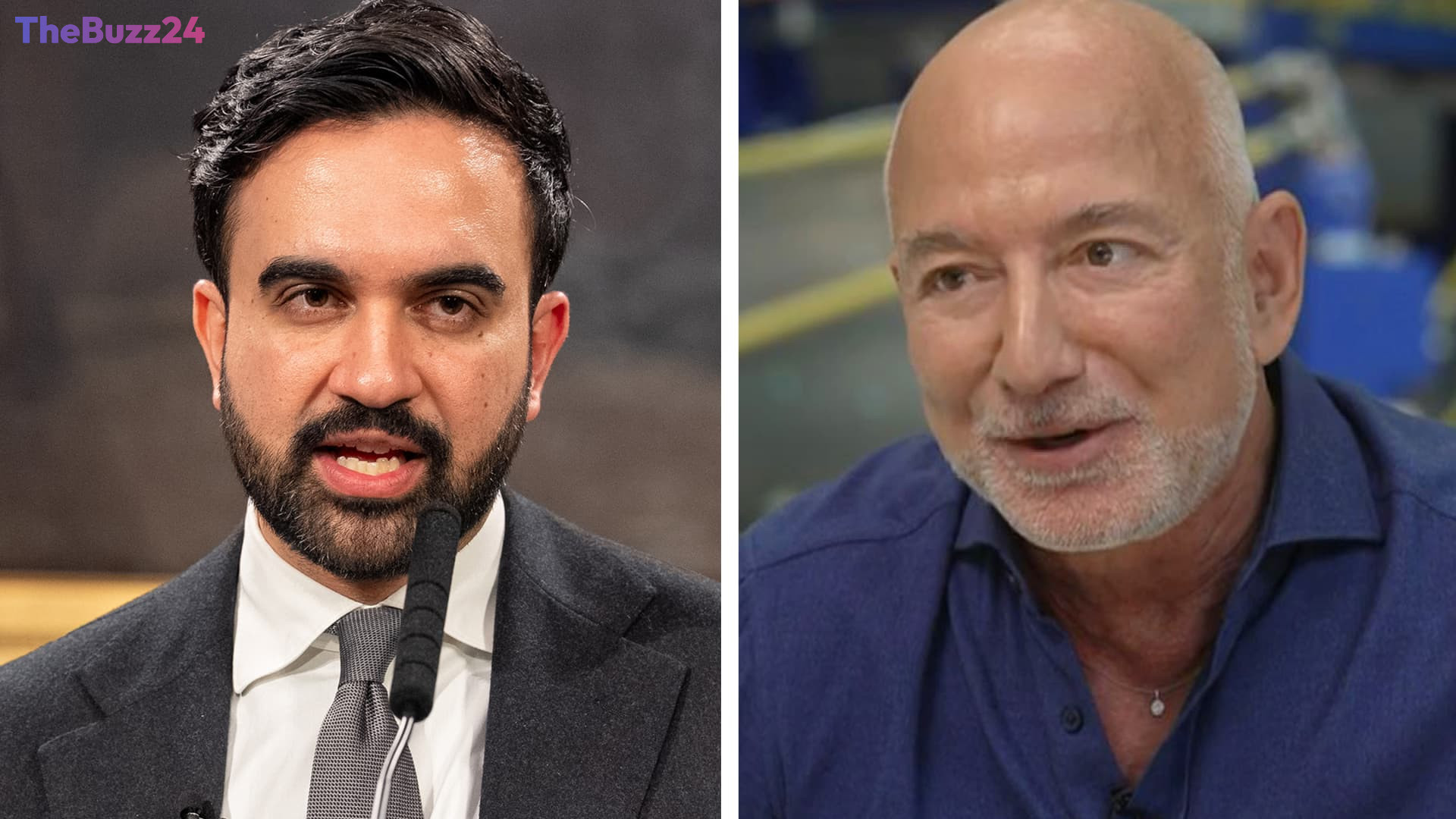
A high-profile debate has emerged between New York City Mayor Zohran Mamdani and Amazon executive chairman Jeff Bezos regarding the efficacy of taxing the wealthy to support public services. The disagreement centers on whether increased levies on high-net-worth individuals can effectively improve the lives of working-class residents, specifically public school teachers.
Bezos recently argued that raising taxes on the ultra-wealthy would not necessarily yield tangible benefits for the average citizen. Instead, he proposed a shift in federal policy, suggesting that the government should eliminate income taxes for the bottom half of earners. He emphasized that the top 1% of taxpayers already shoulder a significant portion of the nation’s tax burden, implying that further taxation on this group may not be the most efficient path to social equity.
Mayor Mamdani pushed back against these claims, asserting that educators in districts like Queens would directly benefit from the increased public funding that such tax revenue could provide. As part of his broader fiscal agenda, Mamdani is advocating for a ‘pied-à-terre’ tax, which would specifically target luxury second homes valued at $5 million or more. Interestingly, while Bezos remains skeptical of general wealth taxes, he has signaled support for this targeted luxury property tax, highlighting the complex divide between different philosophies on economic reform and municipal funding.
Key Takeaways
- Mayor Zohran Mamdani and Jeff Bezos are publicly debating the impact of wealth taxes on public services like education.
- Bezos advocates for eliminating federal income taxes for the bottom 50% of earners rather than increasing taxes on the wealthy.
- The city is currently considering a 'pied-à-terre' tax on luxury properties, a measure that has received unexpected support from Bezos.
Editor’s Analysis & Impact
The public disagreement between Mayor Mamdani and Jeff Bezos highlights a fundamental tension in modern economic policy: the debate between broad-based tax relief for the working class and the aggressive taxation of the wealthy to fund public infrastructure. Bezos’s focus on federal income tax reform for lower earners contrasts sharply with the municipal-level revenue generation strategies favored by local leaders like Mamdani. This discourse reflects a growing national trend where cities are increasingly looking toward luxury assets—such as high-end real estate—to bridge budget gaps. The industry impact is significant, as it signals a shift toward more targeted, localized tax policies that could influence how high-net-worth individuals manage their real estate portfolios in major metropolitan hubs. Ultimately, the success of these policies will depend on whether they can generate sufficient revenue without triggering capital flight or discouraging investment in urban development.
Frequently Asked Questions
Q: What is the 'pied-à-terre' tax?
A: It is a proposed tax in New York City targeting luxury residential properties valued at $5 million or more that serve as secondary homes rather than primary residences.
Q: What alternative tax policy did Jeff Bezos suggest?
A: Bezos suggested that the government should eliminate federal income taxes for the bottom 50% of income earners as a more effective way to support the working class.
AI Disclosure: This article is based on verified data and official reports. Our Team and AI have cross-referenced every financial detail with primary sources to ensure total accuracy.
More from this Category