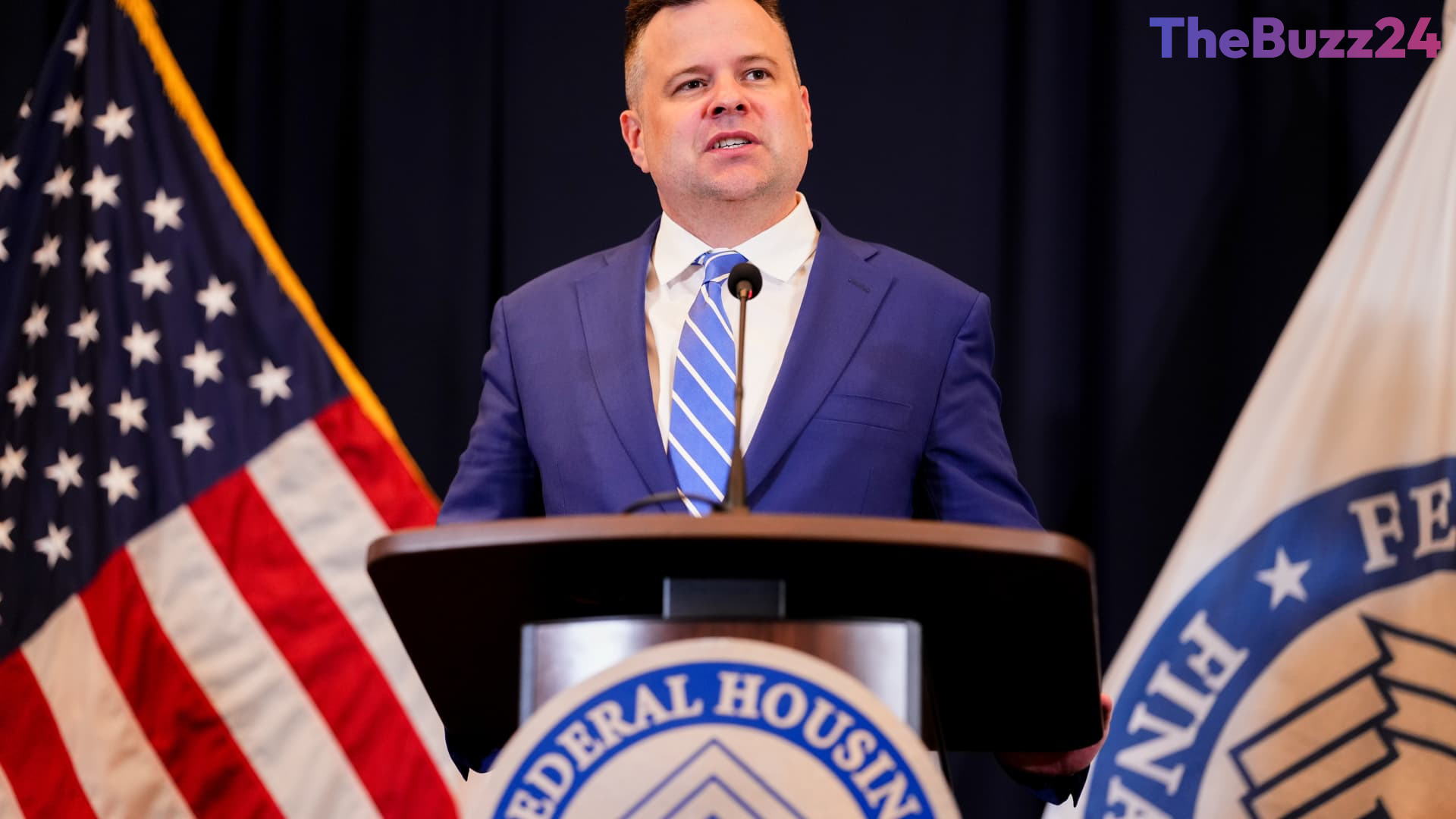
Bill Pulte Set to Assume Acting DNI Role Amidst Stalled Senate Confirmations
Bill Pulte, the current head of the Federal Housing Finance Agency, is scheduled to become the acting director of national intelligence this Friday. The transition follows a strategic maneuver by President Donald Trump, who has effectively halted the Senate confirmation process for his official nominee, Manhattan U.S. Attorney Jay Clayton. This development has sparked significant bipartisan concern regarding the oversight of the nation’s most sensitive intelligence data.
The impasse stems from President Trump’s insistence on linking the confirmation of his intelligence leadership to the passage of the SAVE America Act, a controversial election bill requiring proof of citizenship for voting. Trump has signaled that he will not sign an extension of the critical Section 702 national security program—a key component of the Foreign Intelligence Surveillance Act—unless Congress moves forward with the election legislation. Furthermore, the President has demanded the Senate confirm James McDonald as the successor to the Southern District of New York attorney position before allowing Clayton’s nomination to proceed.
Lawmakers from both sides of the aisle have expressed alarm over Pulte’s impending access to classified intelligence, citing his lack of experience in the intelligence community and his history of launching investigations into political opponents during his tenure at the Federal Housing Finance Agency. Senate leadership, including Majority Leader John Thune, has faced difficulty navigating the President’s demands, while prominent Democrats have labeled the appointment a direct threat to national security. As the standoff continues, the future of the Section 702 surveillance program remains uncertain, leaving critical intelligence infrastructure in a state of legislative limbo.
Key Takeaways
- Bill Pulte is set to become acting director of national intelligence, granting him access to highly sensitive U.S. intelligence data.
- President Trump has stalled the confirmation of Jay Clayton, using it as leverage to demand the passage of the SAVE America Act and other personnel appointments.
- Bipartisan opposition is mounting, with critics warning that the delay in confirming a permanent DNI and the potential expiration of Section 702 poses a significant national security risk.
Editor’s Analysis & Impact
The current standoff represents a high-stakes collision between executive leverage and legislative oversight. By tethering national security apparatuses—specifically the Section 702 surveillance program—to domestic election policy, the administration is testing the limits of congressional cooperation. The market and industry implications are profound; intelligence and defense sectors rely heavily on the continuity of surveillance authorities and stable leadership within the DNI. If the impasse persists, the resulting uncertainty could disrupt intelligence-sharing agreements and operational readiness. Furthermore, the politicization of the DNI role sets a precarious precedent for future transitions, potentially eroding institutional trust. The outlook remains volatile, as the administration appears willing to risk the expiration of key security programs to secure legislative victories on unrelated domestic priorities.
Frequently Asked Questions
Q: What is the Section 702 program?
A: Section 702 is a provision of the Foreign Intelligence Surveillance Act (FISA) that allows the U.S. government to conduct targeted surveillance of non-U.S. persons located abroad to acquire foreign intelligence information.
Q: Why are lawmakers concerned about Bill Pulte's appointment?
A: Critics cite Pulte's lack of professional experience in the intelligence community and his history of using his position at the Federal Housing Finance Agency to investigate political opponents as reasons for their concern regarding his fitness to handle sensitive national security data.
AI Disclosure: This article is based on verified data and official reports. Our Team and AI have cross-referenced every financial detail with primary sources to ensure total accuracy.
More from this Category