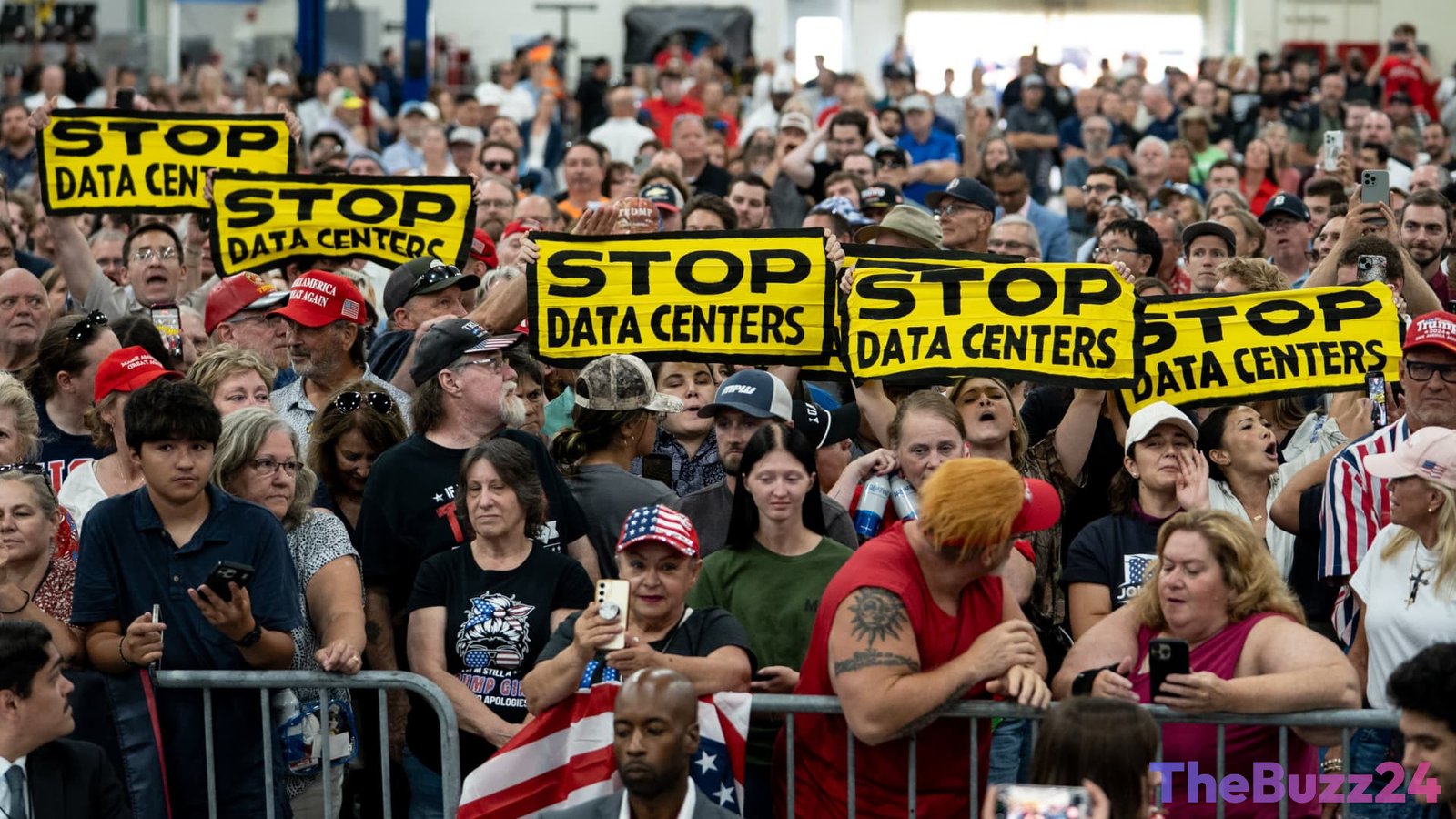
Bipartisan Backlash Grows as AI Data Centers Face Intense Public and Political Scrutiny
Artificial intelligence data centers, once hailed as the backbone of technological progress, are rapidly becoming a focal point of intense political debate and public frustration across the United States. With upcoming elections on the horizon, opposition to these massive, resource-heavy facilities has emerged as a rare bipartisan rallying cry. Voters and politicians alike are raising alarms over the immense strain these centers place on local power grids, water supplies, and taxpayer wallets, transforming what was once a behind-the-scenes infrastructure boom into a highly visible campaign issue.
The political fallout is manifesting in decisive policy shifts across several states. In Pennsylvania, Governor Josh Shapiro recently signed an executive order imposing stringent standards on data center developers, requiring them to fund their own electricity infrastructure, engage transparently with local communities, and adhere to strict environmental guidelines. Meanwhile, in Texas, Governor Greg Abbott has pivoted to demand that tech firms pay for grid upgrades and implement water-recycling measures, facing pressure from opponents who argue the state has previously been too accommodating to tech conglomerates. Even in New York, Governor Kathy Hochul enacted a year-long moratorium on large-scale data centers to allow time for establishing a protective regulatory framework.
The sheer scale of these facilities is driving much of the anxiety. For instance, a proposed 10-gigawatt campus in Ohio—backed by massive commitments from OpenAI and Nvidia—could consume as much electricity as eight million average American homes. This staggering energy footprint, combined with massive water requirements for cooling, has sparked creative protests, including a satirical ad campaign by beverage brands Liquid Death and Garage Beer highlighting the issue. Public sentiment reflects this growing unease; recent polling indicates that more than half of Americans now view the rapid expansion of AI with more concern than excitement, associating the technology with rising utility bills and potential job losses.
In response to the mounting backlash, major technology companies are attempting to salvage their public image. Industry giants like Microsoft and OpenAI have issued pledges promising to minimize water usage, invest in local workforces, and ensure their infrastructure projects do not place financial burdens on local utility ratepayers. However, with political candidates on both sides of the aisle finding success by targeting data centers, the tech sector faces an uphill battle to regain public trust and secure the massive energy resources required to power the next generation of artificial intelligence.
Key Takeaways
- AI data centers have transitioned from technological milestones to major political liabilities, drawing bipartisan criticism over resource consumption and grid strain.
- Governors in states like Pennsylvania, Texas, and New York are implementing strict executive orders, infrastructure payment mandates, and moratoriums to curb unregulated data center growth.
- Tech giants like Microsoft and OpenAI are pledging to pay for their own energy infrastructure and reduce water usage in an effort to mitigate public backlash.
Editor’s Analysis & Impact
The escalating friction between local communities and AI data centers represents a critical bottleneck for the tech industry’s growth trajectory. AI models require exponential increases in computing power, which in turn demands unprecedented levels of electricity and water. However, tech companies can no longer assume passive cooperation from local governments or utility providers. The shift toward forcing developers to pay for their own grid upgrades and infrastructure will significantly increase the capital expenditure required to deploy AI at scale. This could slow down the physical expansion of AI infrastructure and force a paradigm shift toward energy-efficient hardware and alternative cooling technologies. Ultimately, the tech sector must transition from a “move fast and break things” mentality to one of sustainable, community-aligned development if it hopes to avoid crippling regulatory roadblocks.
Frequently Asked Questions
Q: Why are AI data centers facing so much political opposition?
A: AI data centers require massive amounts of electricity and water to run and cool their hardware. Local residents and politicians are concerned that this immense resource consumption will lead to higher utility bills, strain public power grids, deplete local water supplies, and offer few long-term local jobs in return.
Q: How are state governments responding to the data center boom?
A: Several states are taking regulatory action. Pennsylvania has mandated that developers pay for their own grid upgrades, Texas is enforcing water-recycling and infrastructure payment rules, and New York has implemented a year-long moratorium on new large-scale facilities to study their environmental impact.
Q: What are tech companies doing to address these concerns?
A: Companies like Microsoft and OpenAI have pledged to be "good neighbors" by investing in local communities, minimizing water usage, and promising to cover their own energy infrastructure costs rather than passing them on to taxpayers.
AI Disclosure: This article is based on verified data and official reports. Our Team and AI have cross-referenced every financial detail with primary sources to ensure total accuracy.
More from this Category