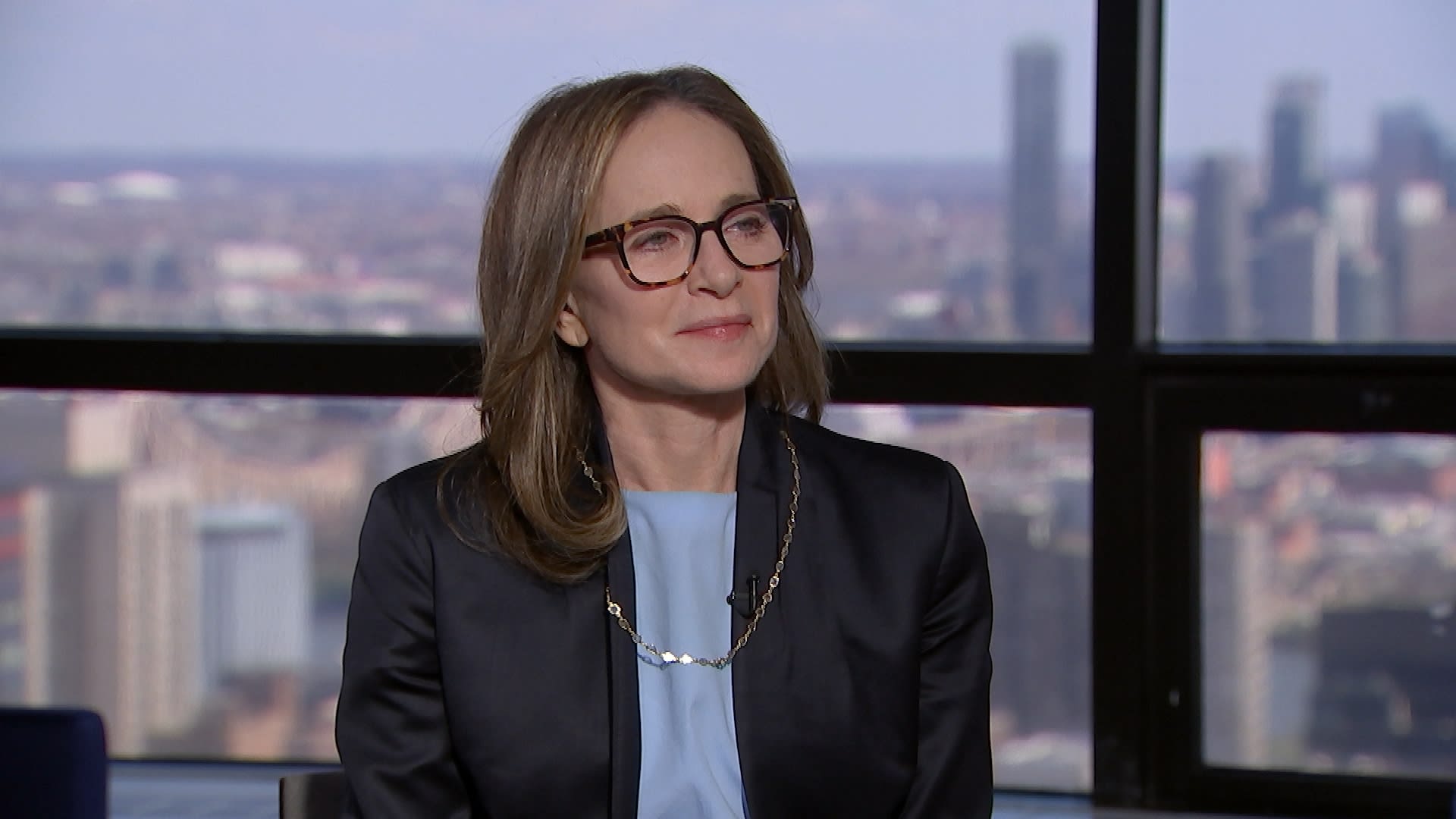
Blackstone Executive Defends Private Credit Resilience Amid Market Skepticism
Joan Solotar, the global head of Blackstone Private Wealth, is calling for investor calm as the private credit market faces increasing scrutiny. Despite recent liquidity challenges that have prompted major firms like Ares Management and Apollo Global Management to implement withdrawal caps, Solotar maintains that the current market anxiety is disconnected from the sector’s underlying fundamentals. She asserts that even under pessimistic projections of rising default rates, private credit remains well-positioned to deliver superior returns compared to public market alternatives.
A significant portion of the current market apprehension stems from the potential for artificial intelligence to disrupt the software industry, a sector heavily represented in private credit portfolios. Solotar addressed these concerns by highlighting that less than 5% of Blackstone’s assets are exposed to risks associated with AI-driven market shifts. Furthermore, she challenged the narrative that the private credit industry lacks transparency, arguing that private funds typically offer more granular, quarterly loan-level reporting than traditional banking institutions, which she suggests often obscure the details of their own loan books.
The integration of private assets into retail investment vehicles, including 401(k) plans, has become a focal point of industry debate. While some critics warn that introducing complex, less liquid securities into retirement accounts could expose individual investors to unnecessary risk, Solotar advocates for enhanced investor education rather than exclusion. She views the current period of market volatility as a vital stress test that will ultimately validate the role of private investments in achieving portfolio diversification and long-term stability.
Blackstone has seen substantial growth in its private wealth division, with assets under management surging from $58 billion in 2017 to more than $300 billion today. As the firm targets a milestone of $1 trillion in assets, Solotar emphasizes that the industry is still in its early stages of development. She notes that while institutional investors and endowments have historically relied on private markets, the current allocation within individual retirement accounts remains relatively low, signaling significant potential for long-term expansion.
Key Takeaways
- Blackstone executive Joan Solotar argues that private credit fundamentals remain strong despite recent liquidity concerns and withdrawal caps at peer firms.
- The firm reports that less than 5% of its private credit assets are vulnerable to potential disruption from artificial intelligence.
- Blackstone views the current market volatility as a necessary stress test and sees significant growth potential as private assets become more common in retail retirement accounts.
Editor’s Analysis & Impact
The defense of private credit by a major industry player like Blackstone highlights the growing tension between traditional banking and the rapidly expanding private debt sector. As private credit firms seek to capture the retail market—specifically through retirement accounts—they face increased regulatory and public scrutiny regarding liquidity and transparency. The industry’s ability to withstand current market volatility will be a defining factor in its long-term legitimacy. If firms like Blackstone can successfully navigate these ‘stress tests’ while maintaining performance, it will likely accelerate the institutionalization of private credit for retail investors. However, any significant failure or liquidity crunch in this space could trigger a regulatory crackdown, potentially curbing the ambitious growth targets set by major asset managers. The shift toward more transparent reporting, as advocated by Solotar, will be essential to winning over skeptical retail investors and regulators alike.
Frequently Asked Questions
Q: Why are some investors concerned about private credit?
A: Concerns primarily stem from liquidity issues, such as withdrawal caps at major firms, and fears that artificial intelligence could disrupt the software companies that make up a large portion of private credit loans.
Q: How does Blackstone respond to transparency criticisms?
A: Blackstone argues that private funds provide more detailed, loan-level reporting on a quarterly basis than traditional banks, which they claim are often less transparent about their own loan portfolios.
AI Disclosure: This article is based on verified data and official reports. Our Team and AI have cross-referenced every financial detail with primary sources to ensure total accuracy.
More from this Category